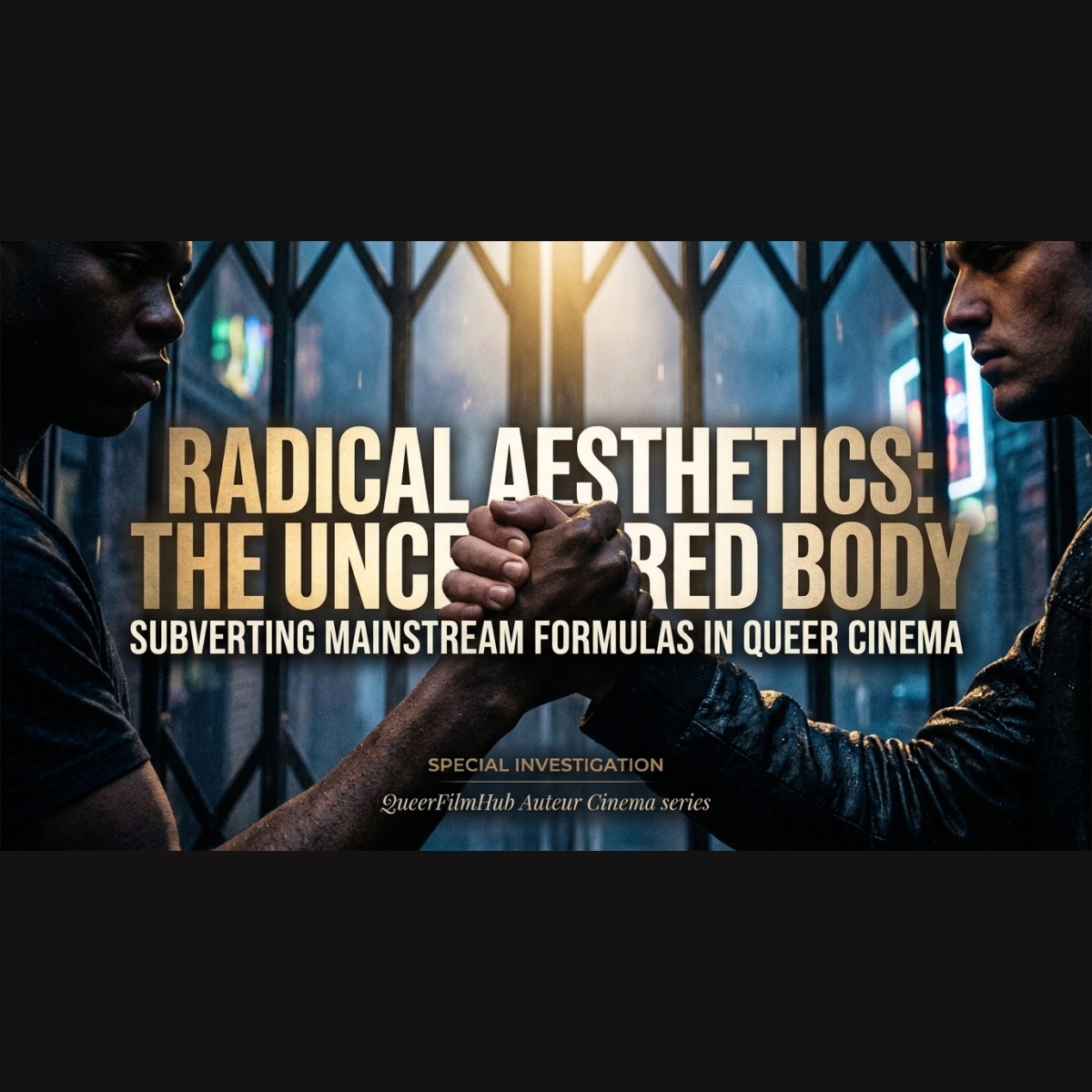
Beyond Inclusion: Queer Cinema as Aesthetic Rebellion
In the era of corporate pinkwashing, mainstream media has turned the word "queer" into a broad, highly marketable, and completely sanitized aesthetic. Hollywood offers us polite,
Queer Film Hub
News from the world of queer cinema
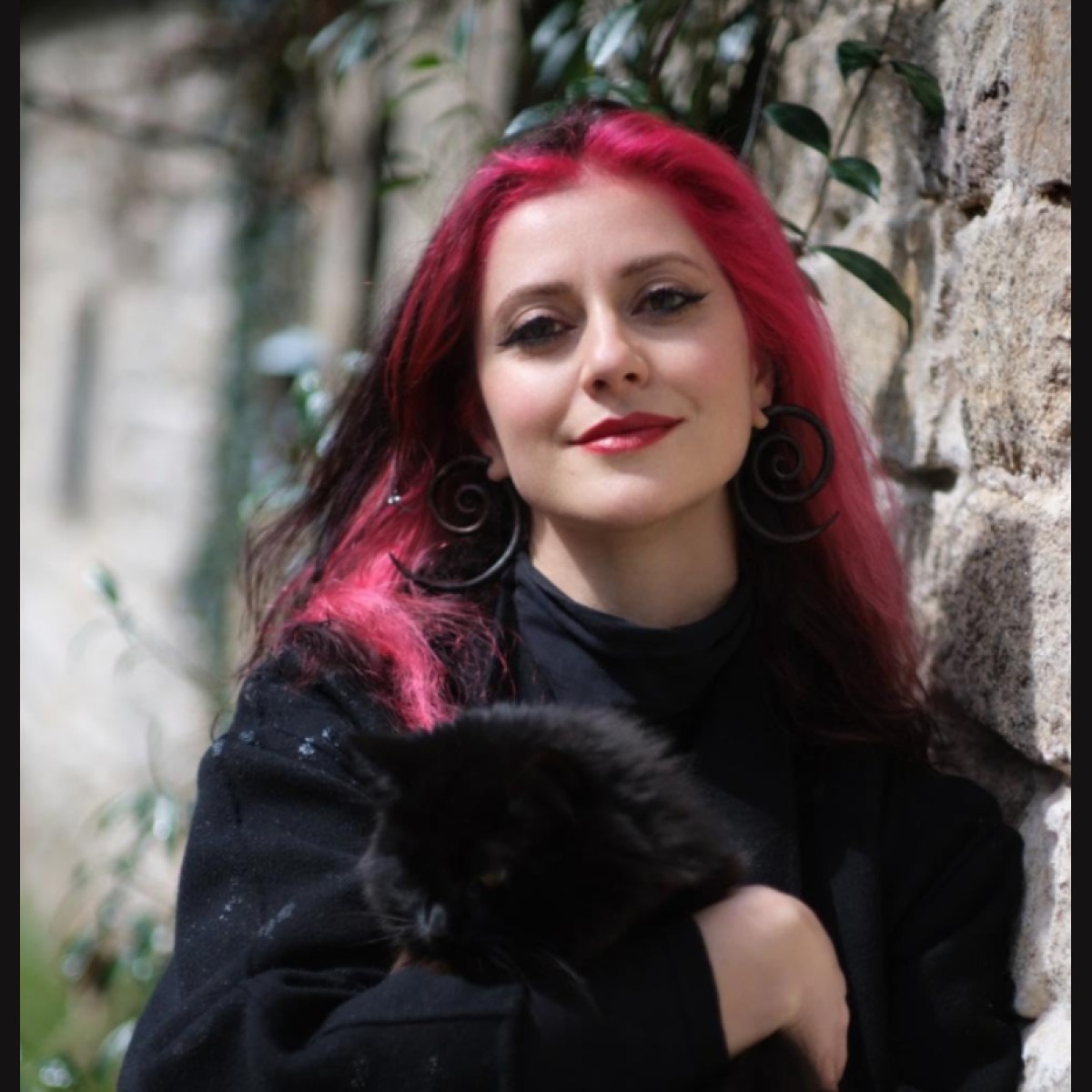
In the landscape of contemporary independent cinema, few voices combine poetic visual storytelling with deep humanitarian empathy quite like Anita Doron. An acclaimed film director, screenwriter,
Read story →In the era of corporate pinkwashing, mainstream media has turned the word "queer" into a broad, highly marketable, and completely sanitized aesthetic. Hollywood offers us polite,
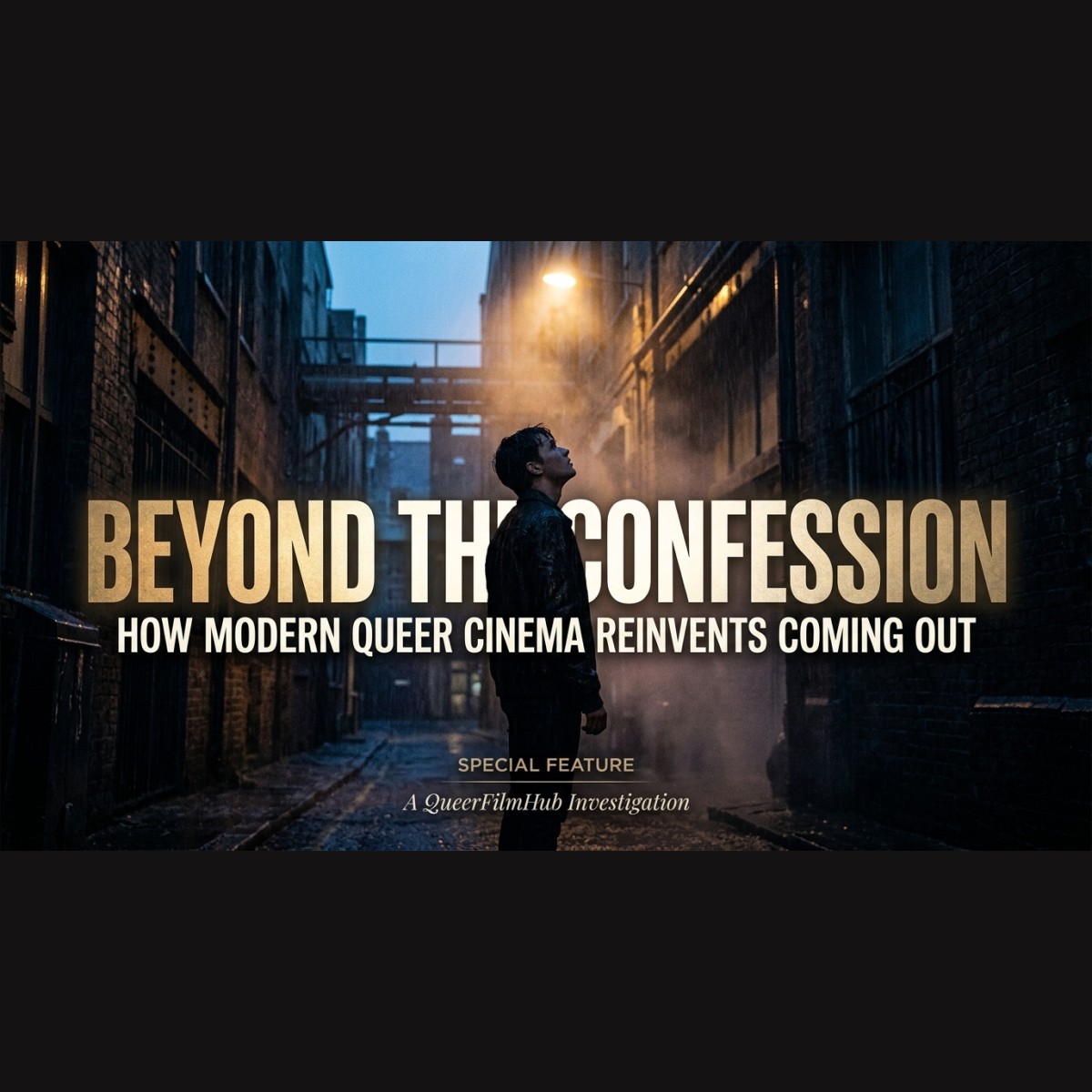
For decades, mainstream Hollywood bound the queer coming-of-age experience to a rigid, highly sanitized template. The "coming out" scene was designed not for the protagonist, but for a heterosexual audience’s emotional comfort. It required tears, fear of rejection, a dramatic confession, and—ultimately—a plea for tolerance. In this corporate formula, coming out was treated as a painful tax paid to enter polite society.
A critical breakdown of the "coming of age" archetype in modern cinema—exploring stories of youth, initiation, sexual discovery, and the clash between personal identity and societal expectations. We move past sanitized mainstream tropes to analyze how independent filmmakers approach the raw, complex, and uninhibited realities of growing up queer.
We are living in an era of a grand, glittering lie. On the red carpets of Cannes, Los Angeles, and Venice, camera flashes pop, and movie studio executives compete to deliver grand speeches about freedom of speech, inclusivity, and human rights.
When a few years ago Hollywood, struggling with actor and writer strikes, timidly began experimenting with artificial intelligence, many deluded themselves into thinking that independent and auteur cinema would remain a safe haven.
While major film studios eagerly champion inclusivity and celebrate LGBTQ+ representation on red carpets in Cannes, Los Angeles, and Venice, cold-blooded calculations are taking place behind closed doors.
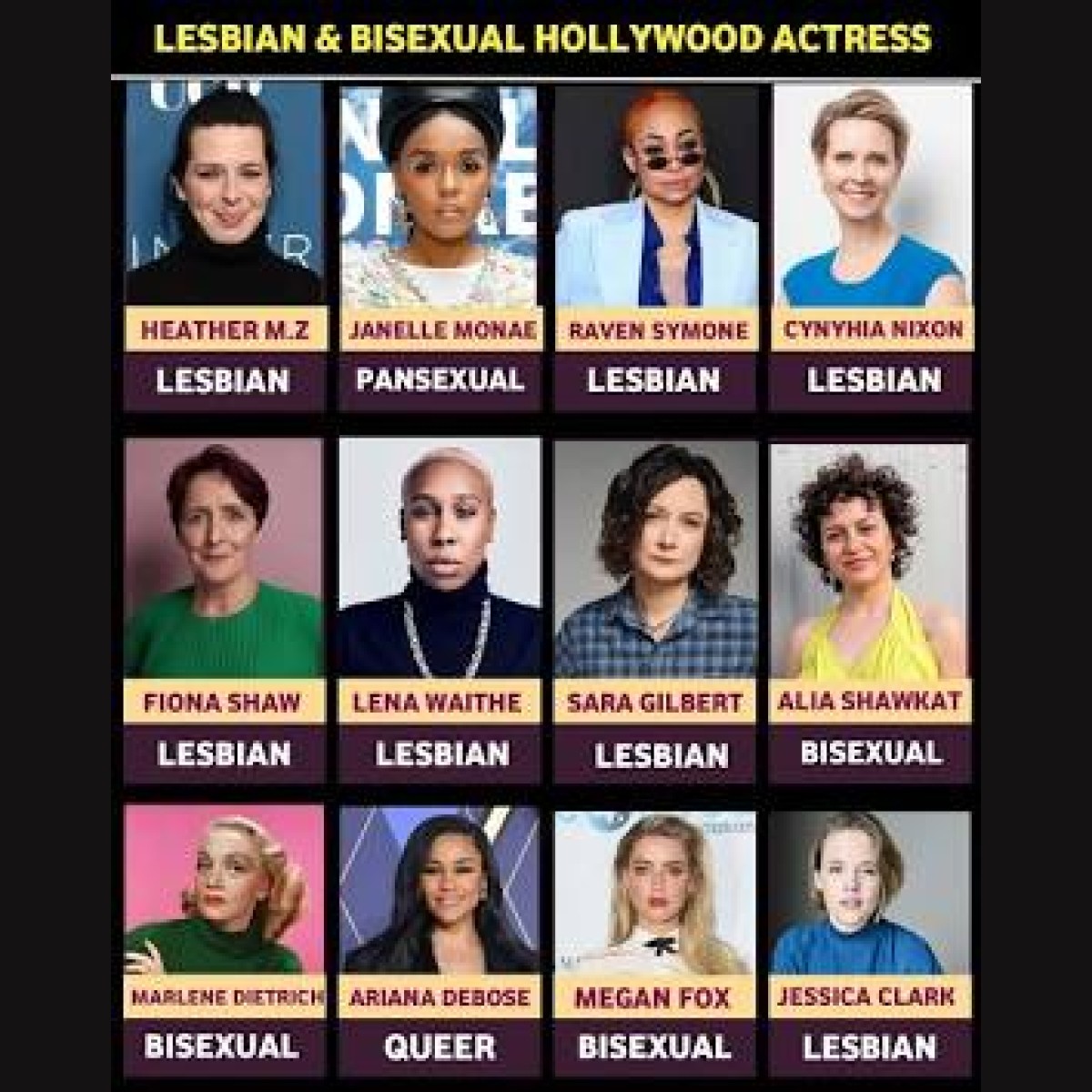
For many actors, stepping into a queer role isn't just about performance—it's the turning point that gives them the courage to live their truth openly.
When an actor steps onto a film set, the expectation is simple: embody a persona, deliver lines, and serve the narrative. Yet, for many performers holding back their true identities, portraying a queer character becomes far more than an artistic exercise. It acts as a mirror, a safe space, and ultimately, a catalyst for real-world liberation.
Working on a film set often transcends the boundaries of a simple acting assignment. For many in the film industry, it becomes a pivotal turning point on the path toward personal liberation.