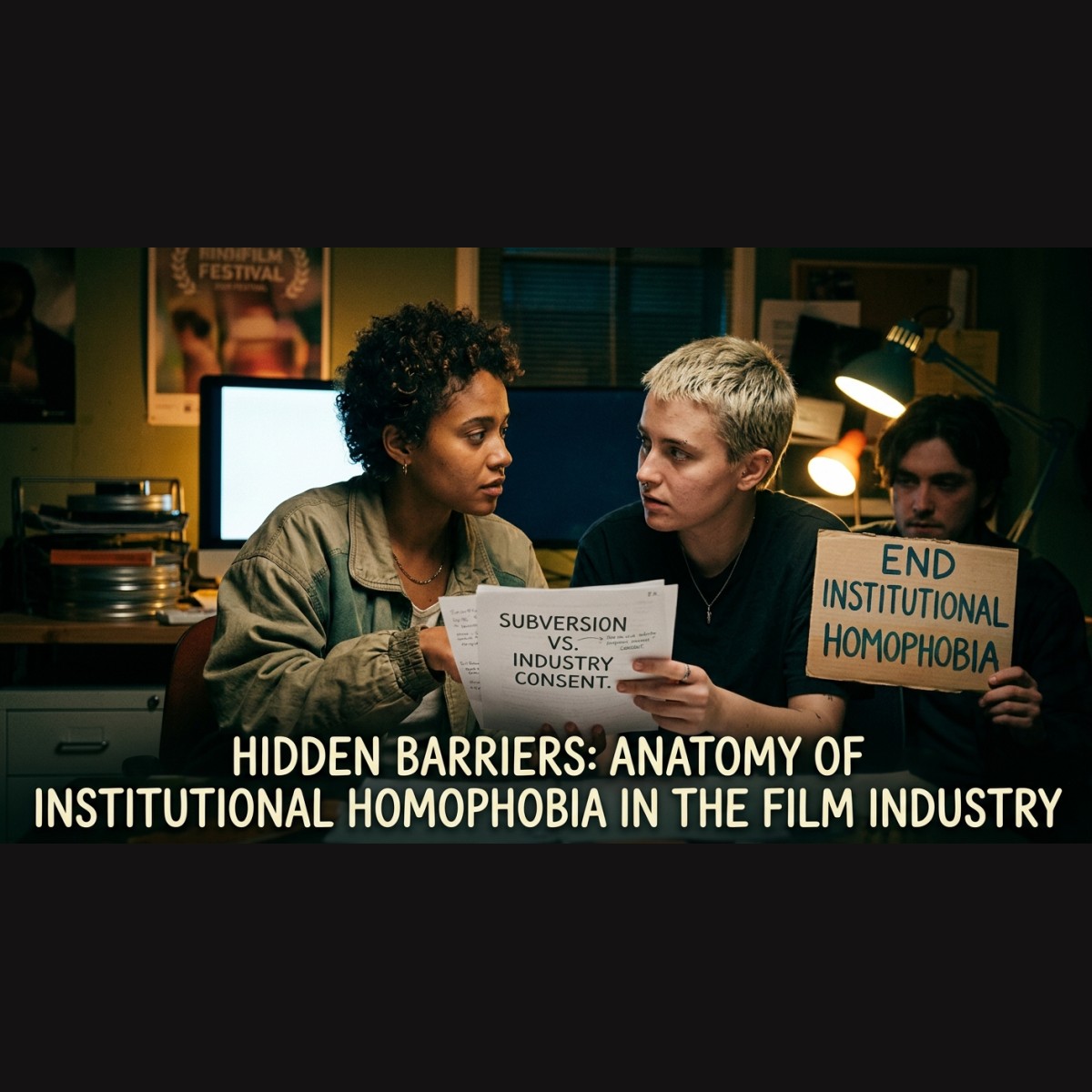
In the era of corporate pinkwashing, mainstream media has turned the word "queer" into a broad, highly marketable, and completely sanitized aesthetic. Hollywood offers us polite, palatable representation designed not to disturb conservative sensibilities. Queer characters are granted visibility only if they fit into conventional structures, perform respectability, or serve as tragic footnotes in heteronormative stories.
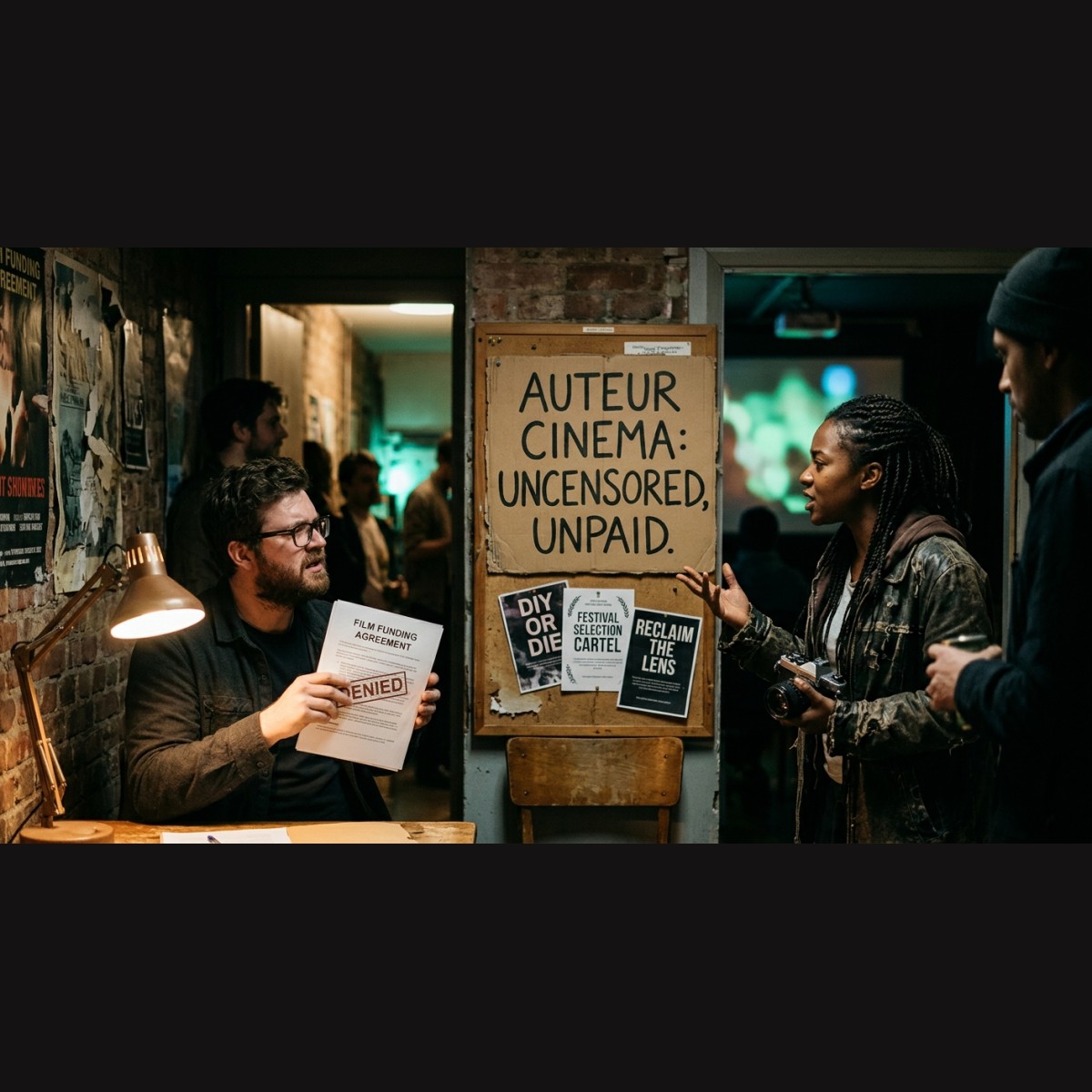
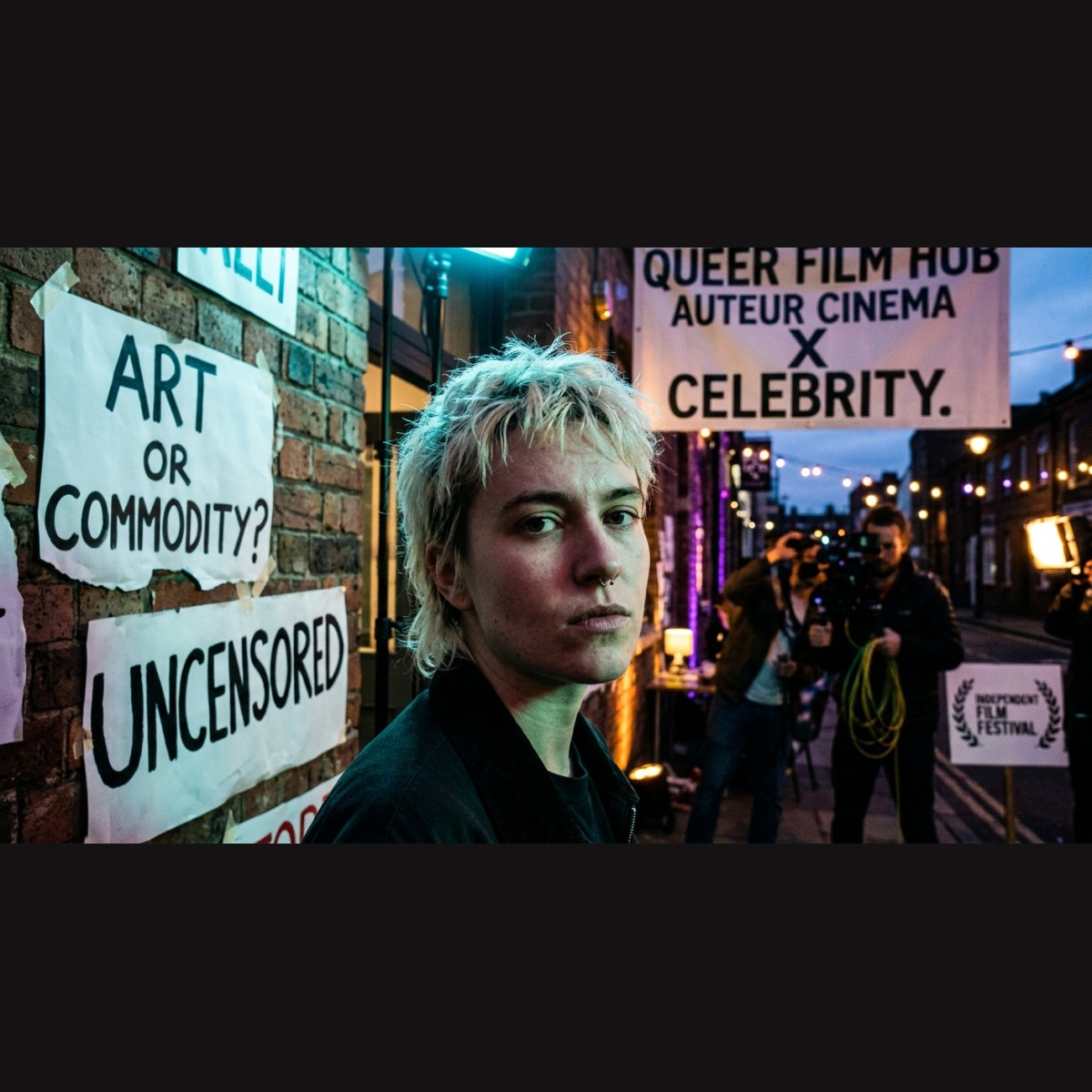
True queer cinema—the kind nurtured in underground spaces, independent festivals, and uncompromised auteur visions—is the exact opposite of this corporate assimilation. It does not ask for permission to exist within the framework of traditional cinema; it exists to dismantle it.
1. Aesthetic Subversion Over Respectability PoliticsMainstream representation prioritizes "respectability politics"—the idea that queer characters must be flawless, digestible, and emotionally safe to earn audience empathy. Independent queer directors reject this bargain entirely.
The Duke of Burgundy (dir. Peter Strickland, 2014): Strickland crafts an intricate, visually hypnotic exploration of desire, dominance, and intimacy that exists in a world entirely separated from patriarchal or heteronormative constraints. It isn't a story about societal judgment; it is a masterclass in subjective, uncompromising eroticism.
Portrait of a Lady on Fire (Portrait de la jeune fille en feu, dir. Céline Sciamma, 2019): Sciamma completely dismantles the male gaze, establishing a radical "queer gaze" based on reciprocity, shared creation, and subversion of historical silence.
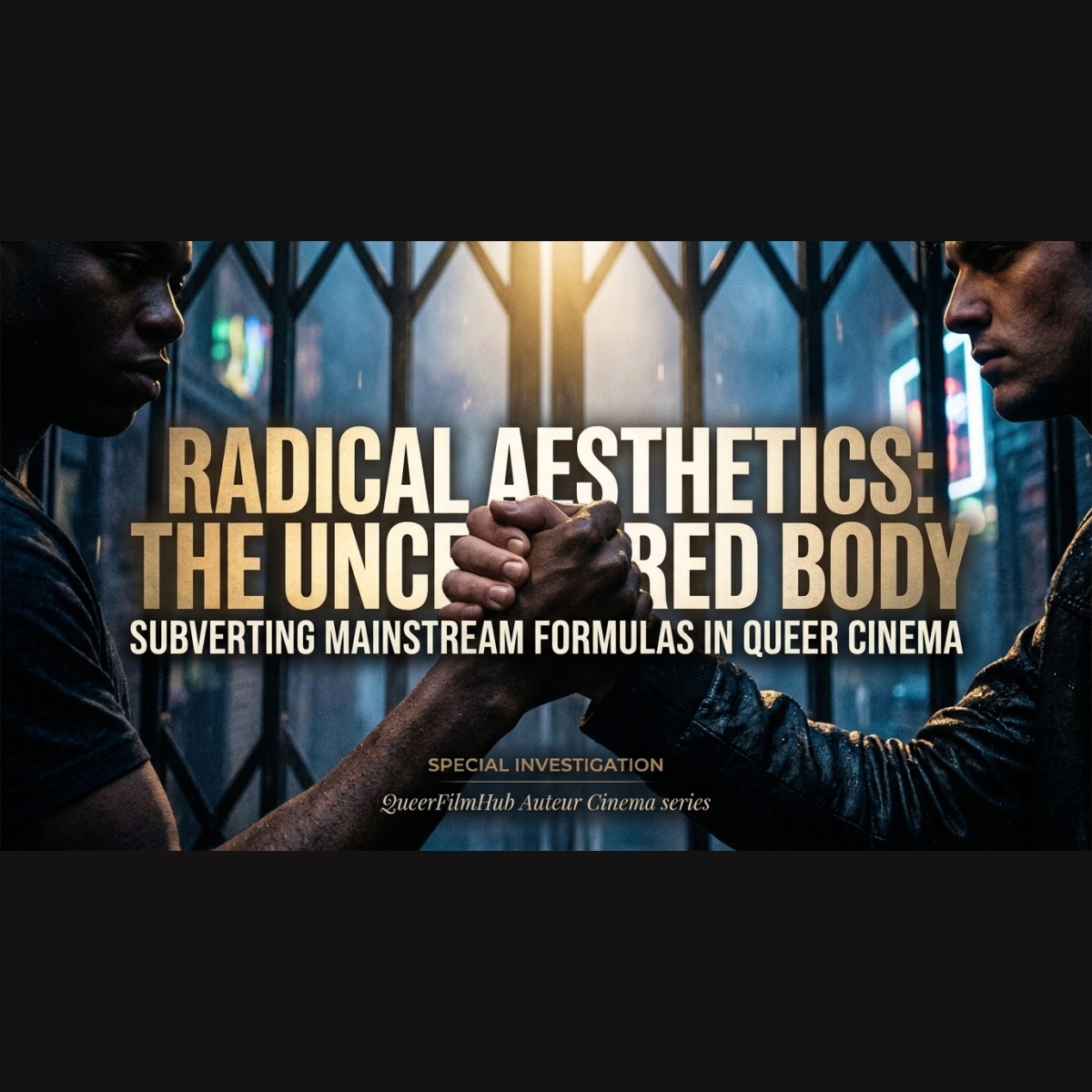
2. The Uncensored Body and Radical DesireWhen corporate platforms greenlight queer content, the physical reality of desire is almost always the first thing to be censored or softened. Authentic queer cinema reclaims the body—its messiness, its passion, and its vulnerability—as a primary site of political resistance.
Lof mér að falla (Let Me Fall, dir. Baldvin Z, 2018): Baldvin Z depicts the brutal, unvarnished intersections of youth, connection, and survival, refusing to smooth over the rough edges of human vulnerability for commercial comfort.
Heavenly Creatures (dir. Peter Jackson, 1994): A fierce, dark exploration of intense female bonding and obsessive fantasy that violently clashes with the stifling morality of 1950s society.
3. Queer as a Cinematic MethodologyUltimately, "queer" in cinema is not merely a subject matter—it is a method. It is a way of editing, lighting, scoring, and writing that breaks linear narrative structures and refuses neat moral resolutions. It challenges not just who is on screen, but how we view power, love, and autonomy itself.
Industry
Beyond Inclusion: Queer Cinema as Aesthetic Rebellion
In the era of corporate pinkwashing, mainstream media has turned the word "queer" into a broad, highly marketable, and completely sanitized aesthetic. Hollywood offers us polite,