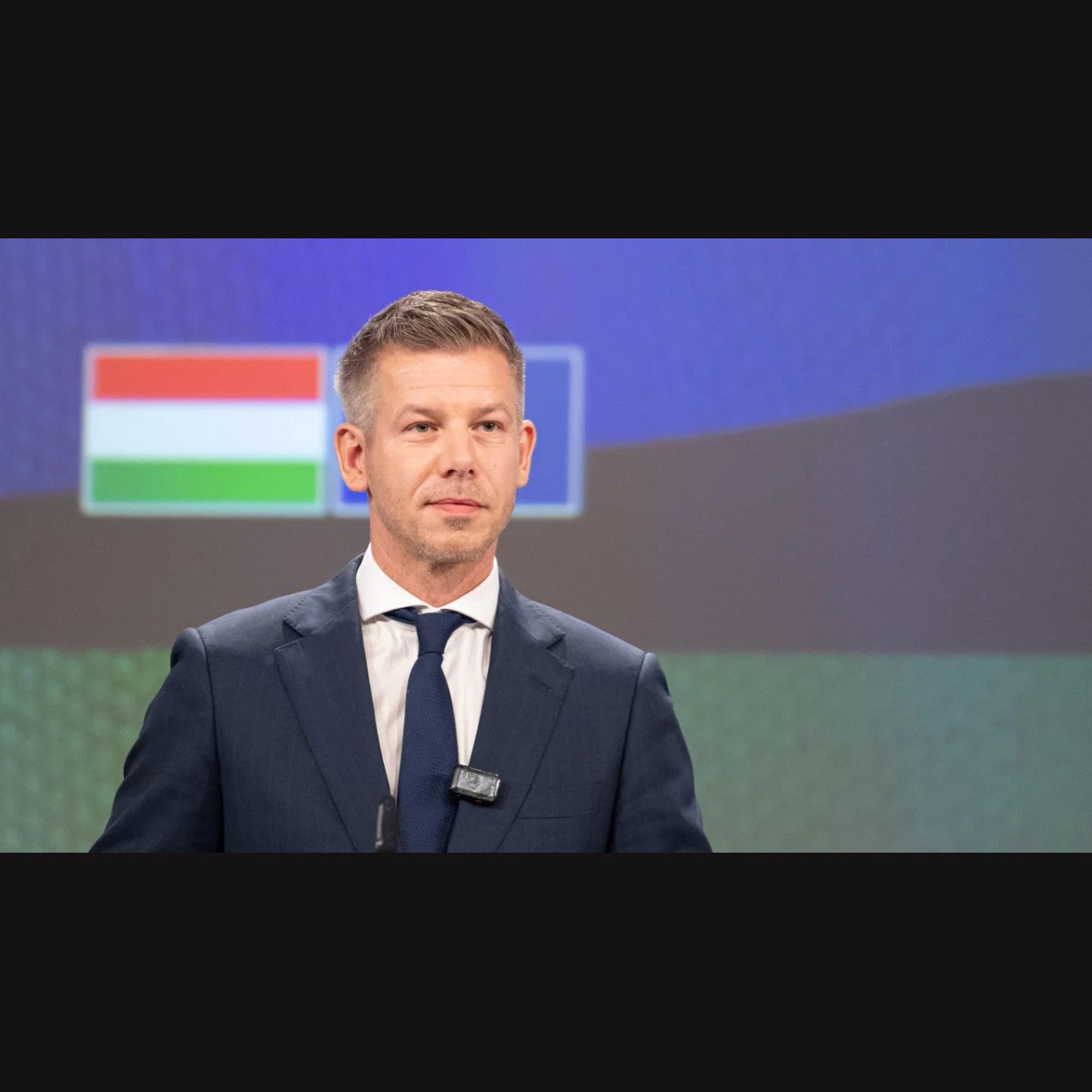
After years of ideological posturing and political weaponization of family law, Hungary is signaling a major policy shift. Prime Minister Péter Magyar announced the rollback of strict 2020 legislation that effectively banned same-sex couples and single individuals from adopting children.
Under the previous Fidesz-led framework, non-married individuals faced an intentionally politicized process. Adoptions required explicit, personal approval from the Minister for Family Affairs (a post once held by former President Katalin Novák). In practice, this created an ideological screen that systematically blocked LGBTQ+ applicants.
Magyar’s new stance removes politicians from the equation entirely:
"Decisions in these matters should not be made by a minister or a politician, but by specialists capable of determining the conditions under which a child can become a happy and well-adjusted member of society," Magyar stated during a press briefing.
The reversal is driven by both EU pressure and pure practical reality. Thousands of children remain in the Hungarian foster care system while qualified, capable adoptive parents were previously rejected based on bureaucratic and ideological filters.
The updated approach will restore evaluations based on psychological and social readiness rather than sexual orientation or political agendas—a clear step back toward pragmatism after years of anti-LGBTQ+ legislative pressure.