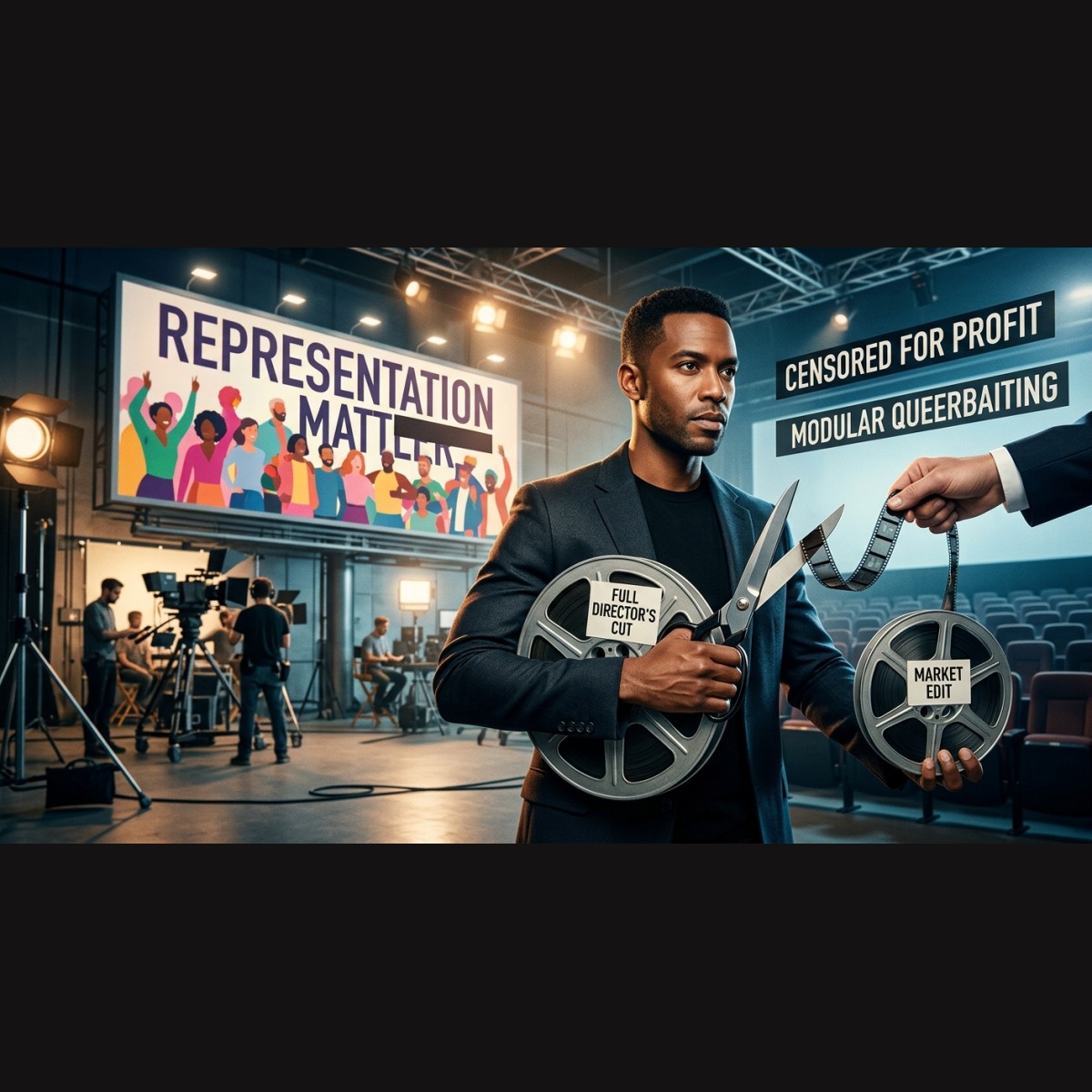
While major film studios eagerly champion inclusivity and celebrate LGBTQ+ representation on red carpets in Cannes, Los Angeles, and Venice, cold-blooded calculations are taking place behind closed doors. The reality of global film distribution shows that Hollywood giants unabashedly craft two versions of their major blockbusters: one filled with progressive rhetoric for Western markets, and a second—meticulously sanitized of any "controversial" storylines—tailored for primary markets in Asia and the Middle East.
Rainbow Capitalism or Cynical Geopolitics?
Screenwriters and editors increasingly admit off the record that major blockbusters employ what is known as modular queerbaiting. Queer characters, kisses, or key dialogue lines regarding identity are written and edited in such a way that local censors can remove them with a few swift cuts—without causing the slightest damage to the main plot.
However, when filmmakers refuse to tamper with their work, corporations face a stark choice: artistic values or hundreds of millions of dollars in overseas box office revenue.
4 High-Profile Cases That Exposed the Scale of the Problem
1. Bohemian Rhapsody (2018) — Cutting the Heart Out of a BiopicIn the Chinese theatrical release of the Freddie Mercury biopic, censors excised over six minutes of footage. Audiences in China were denied seeing same-sex kisses, the storyline surrounding his HIV diagnosis, and the pivotal conversation where Freddie comes out as bisexual to his fiancée. The film grossed massive revenue, but the true identity of a pop culture legend was erased from his own story.
2. Star Wars: The Rise of Skywalker (2019) — A One-Second Alibi
Ahead of its release, Disney touted that the new Star Wars installment would feature the "first same-sex kiss in the franchise's history." In practice, it turned out to be a blink-and-you'll-miss-it, one-second background kiss between two minor female characters. The cut distributed in Singapore and the Middle East was thoroughly sanitized of this moment without any disruption to the narrative.
3. Lightyear (2022) — A Stand That Cost Millions
When Pixar initially cut a brief kiss between a same-sex married couple from the film, it sparked a wave of protests from studio staff. The scene was reinstated, resulting in an immediate ban on the film's distribution across 14 countries in the Middle East and Asia. The move demonstrated the steep financial price of standing firm on representation.
4. Fantastic Beasts: The Secrets of Dumbledore (2022) — 6 Seconds of TruthWarner Bros. officially agreed to cut six seconds of dialogue from the Chinese edit of the film—specifically the lines where Albus Dumbledore acknowledges his past romantic feelings for Gellert Grindelwald. The studio defended its decision by stating a desire to "preserve the spirit of the film" while complying with local market requirements.
Where Is the Line?These examples illustrate that the fight for authentic representation in commercial cinema continuously hits a wall of corporate self-interest. Should audiences accept compromises where a character's identity is treated as an interchangeable, disposable marketing asset?
Industry
Censorship, Millions, and Forbidden Cuts: Is Hollywood Playing a Double Game with Queer Audiences?
While major film studios eagerly champion inclusivity and celebrate LGBTQ+ representation on red carpets in Cannes, Los Angeles, and Venice, cold-blooded calculations are taking place behind closed doors.