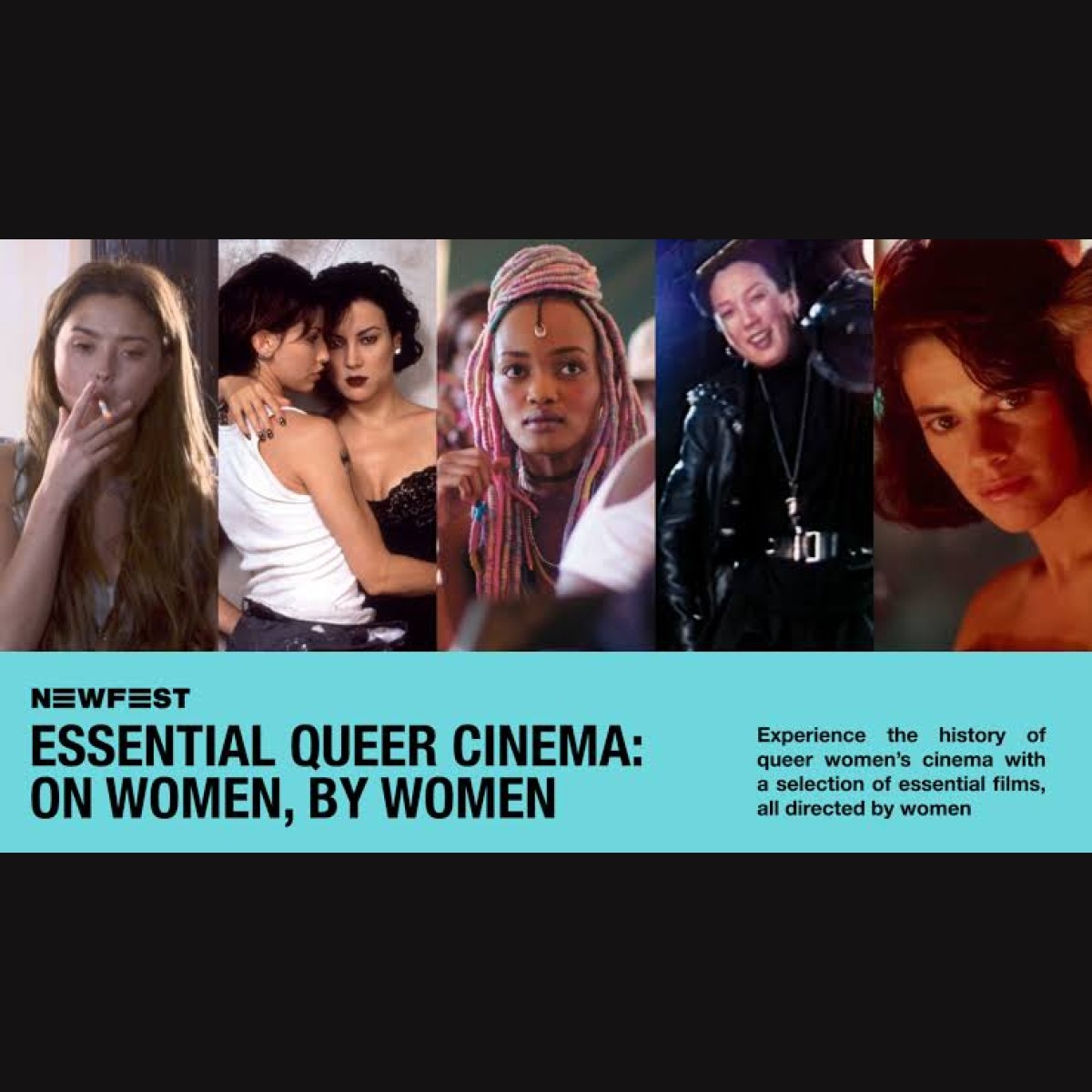
When an actor steps onto a film set, the expectation is simple: embody a persona, deliver lines, and serve the narrative. Yet, for many performers holding back their true identities, portraying a queer character becomes far more than an artistic exercise. It acts as a mirror, a safe space, and ultimately, a catalyst for real-world liberation.
The Screen as a Mirror and a Safe HavenFor decades, Hollywood and international film industries operated under an unwritten rule: keep your personal life hidden if it strays from heterosexual norms. Coming out was long treated as a career risk—a decision that could cost leading roles, studio endorsements, or mainstream audience appeal.
Playing a queer character, however, offers a unique psychological shift. Within the controlled environment of a scene, performers are granted permission to express desires, vulnerabilities, and truths they may suppress in their daily lives.
Emotional Rehearsal: Embodying pride, romantic connection, or queer grief on camera allows actors to experience those feelings without immediate real-world consequences.
Community Connection: Working alongside queer directors, screenwriters, and crew members creates an empowering ecosystem where authenticity is celebrated rather than hidden.
Breaking Internalized Stigma: Living through a character's journey often dismantles the fear and shame built up over years of concealment.
The ripple Effect of VisibilityWhen an actor uses their platform to come out following a transformative role, the impact reaches far beyond individual liberation.Public declarations of identity by prominent figures validate young LGBTQ+ individuals who rarely see themselves reflected in culture. When a beloved screen star demonstrates that living authentically does not diminish talent or career longevity, it reshapes public perception and expands the boundaries of representation for the next generation of storytellers.
Industry
Beyond the Script: How Queer Roles Become Acts of Personal Liberation
When an actor steps onto a film set, the expectation is simple: embody a persona, deliver lines, and serve the narrative. Yet, for many performers holding back their true identities, portraying a queer character becomes far more than an artistic exercise. It acts as a mirror, a safe space, and ultimately, a catalyst for real-world liberation.