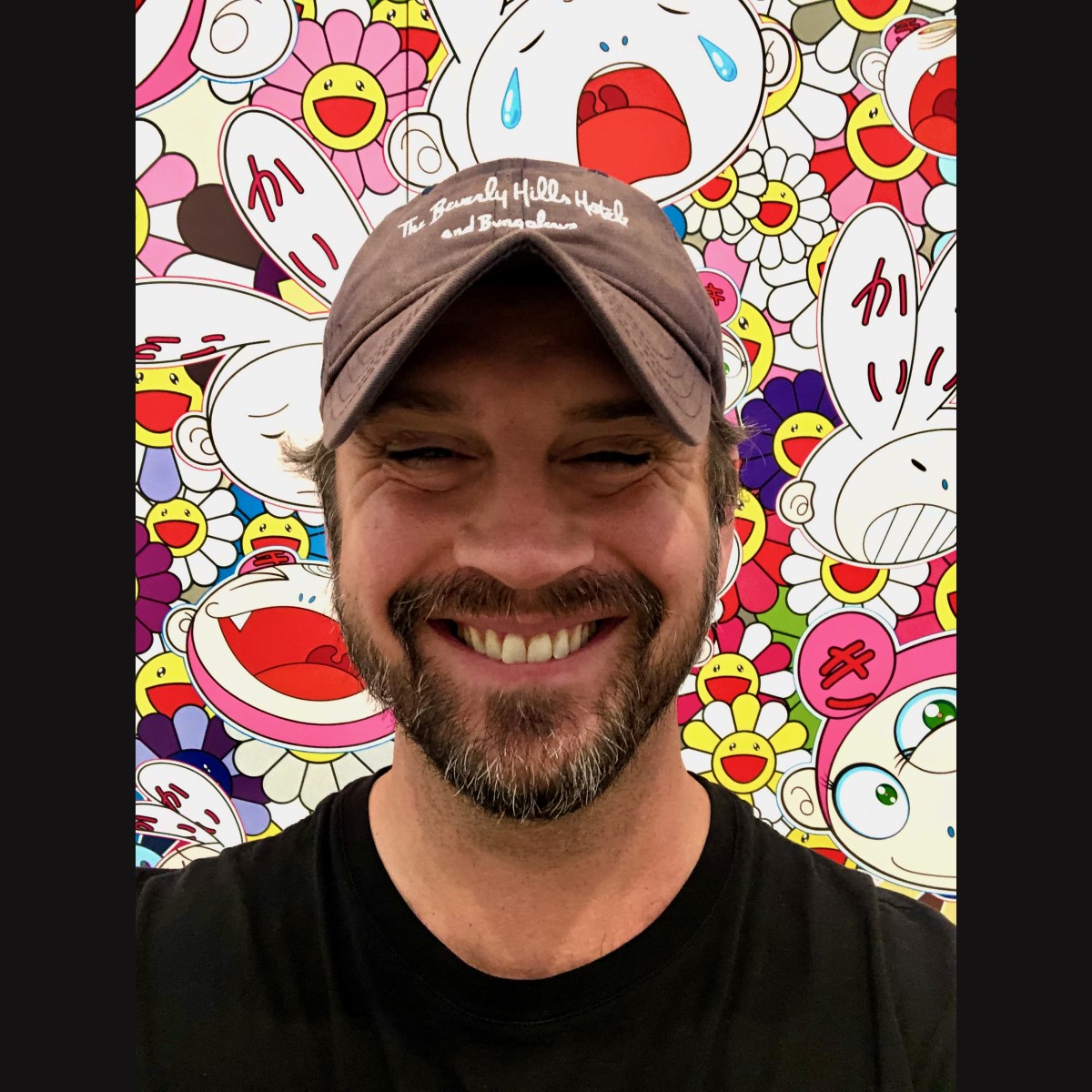
Daniel Talbott—filmmaker, actor, and creative force behind acclaimed independent works such as Midday Black Midnight Blue and My Age Now—sits down with QueerFilmHub to discuss his raw, DIY documentary Stand Tall Go Higher. In this candid conversation, Talbott opens up about the feral energy of queercore cinema, shooting a feature doc in a single day with two phones and zero budget, and why queer artists can never afford to wait for permission.QueerFilmHub: How did the punk rock and queercore ethos shape the creative vision and raw energy behind Stand Tall Go Higher?Daniel Talbott:I think all queercore comes from necessity and the wonderful, feral, combustible energy of just saying, “Fuck it, I’m making this because I have to and I think it’s brutally important and personal, and I’m not waiting for permission.” I love films with that heart pumping inside them, with that kind of blood pact for filmmaking. I also think when you grow up poor, or working class, or you don’t have a ton of resources, you can’t ever let that stop you from making films no matter who you are. Queer filmmakers and artists have always had to just make their work. For the most part, all filmmakers are in the same boat. It’s fucking hard to make films, period. But it’s even more rare when the world is like, “Let’s make this easy for you gays. Here’s a few million dollars, final edit, and this great actor who wants to play a bottom for your story about James Dean impersonators falling in love.” We have to make our work, and not every film and story is served by micro-budget filmmaking, but there are plenty of stories that are. Never give up on any of your films, but while you’re figuring out how to pay for your queer outer space film that truly needs some kind of budget to make it great, make a two-hander in a trailer your grandparents gave you that sits on a river in Idaho, and make the fuck out of it.QueerFilmHub:From your earlier critically acclaimed projects like Midday Black Midnight Blue and My Age Now to this new release, how has your storytelling style and creative focus evolved over the years?Daniel Talbott: I think you’re always learning and growing and fucking up, getting your ass kicked and handed to you, and trying to do better. Always. I would be so afraid if I wasn’t evolving and learning more about filmmaking all the time. Also, every single film is different and singular and brings unexpected and unseen challenges. You can work insanely hard, and do all the prep, and come in with an organic plan and it’s still going to blow up and shift in some way. I believe in doing the work, asking a ton of questions, really making the film with the resources you have at hand (and not what you wish they were), and then pivoting and dancing with whatever storm comes. The film really tells you what it needs to be. Listening is the most important thing. I never feel like I know how to do this brilliantly. I love it more than anything and I love working my ass off as a filmmaker, but I’m constantly scared and I don’t know the answers a lot of the time, and I’m willing to bust my butt to try to learn and ask questions and to figure it out so that the film gets made. It’s such a huge part of the joy for me as a film person, the not knowing. I love that feeling and I love figuring it out with the folks you’re working with. The film is the thing.QueerFilmHub: Independent filmmaking often comes with severe budget constraints. How did working without a massive corporate budget actually fuel your creative freedom during production?Daniel Talbott:It would have felt so dishonest and terrible to make this film with any real kind of budget because of what it’s talking about and trying to explore. Both Andrew and I really wanted to honor in every way our queercore heroes and their innovation, and how they often made films. The lack of money and crew and resources is baked into every cut and frame; it’s the DNA of this doc. It felt so free to wake up the day of that BBQ and go, “Hey you all… want to make a film about this today?” I always want to make films that way. I love making films and taking money out of the equation. There is a purity to it that moves me so much. Making the film, telling that story, becomes the only focus. It’s stunning.It's of course great to get to also make films where you can pay your rent and hire other film folks and give them some kind of salary hopefully too. Getting to dive into a badass queer period film would be so incredible. Having the support and budget to make a brilliant film like Coward or La Bola Negra is a dream, but I’m not going to stop making films if I don’t have that kind of support. I’m not going to let money dictate whether I can make films or not. I also think when money goes away you start to see why people are really there on set in the first place. The ones who love it, who are going to make films no matter what, those are always the folks for me and who I hope to be surrounded by. Talk goes out the window quick when you have a day to make a feature doc and two phones, tortilla chips, a great friend’s beautiful backyard, and no sound equipment. When you have nothing it’s so clear who just loves filmmaking without any of the trappings of so-called success.We live in a culture of class and status, consumerism, country clubs, and gatekeeping. For me, none of that should stop us from making films. Some films you're going to make by yourself, armed with your iPhone or an old Super 8 camera your cousin gave you from her garage in Arkansas. Some films are made with an intimate group of folks all working for free, begging, borrowing, and stealing to brick-by-brick build a patchwork shelter against a storm. And some projects are going to require an LLC, insurance, and payroll—even if it's miniscule.If you love film and are going to make it no matter what, all of these paths lead to the same thing. To you learning, growing, fucking up, leaking some blood and tears and hopefully a lot of laughs, and in the end sitting in some theater somewhere, big or micro, or under some stars, with family and strangers breathing together and watching your film.QueerFilmHub:Why is authentic storytelling in independent queer cinema more crucial today than ever before?Daniel Talbott: I think it’s always so important and I never want to take for granted how lucky I am to be able to go to a cinema in Wisconsin and see La Bola Negra. We battle against so much as queer people, but it would’ve been illegal for a long time in many places to make a film the way Los Javis did. We have to use any freedoms we can to tell our stories and again not wait for permission. And when an opportunity comes to support someone in our community, showing up and showing out for each other’s work is so important on every level.QueerFilmHub: What do you hope audiences—especially younger queer creators—take away after watching Stand Tall Go Higher?Daniel Talbott:I hope if they don’t know all of the filmmakers we’re trying to honor and talk about here that they go out and find their work and read about how they make films. I hope they get inspired as fuck. Most importantly, I hope they make their films and keep making them.QueerFilmHub would like to thank Daniel Talbott for his time, honesty, and inspiring insights into independent filmmaking. Be sure to check out Stand Tall Go Higher and follow his upcoming projects.
https://www.youtube.com/watch?v=yNGToHgmRBs
Interviews
Exclusive Interview: Daniel Talbott on Stand Tall Go Higher, Queercore Spirit, and Making Films Without Permission
By Marek Ostrowski | QueerFilmHub