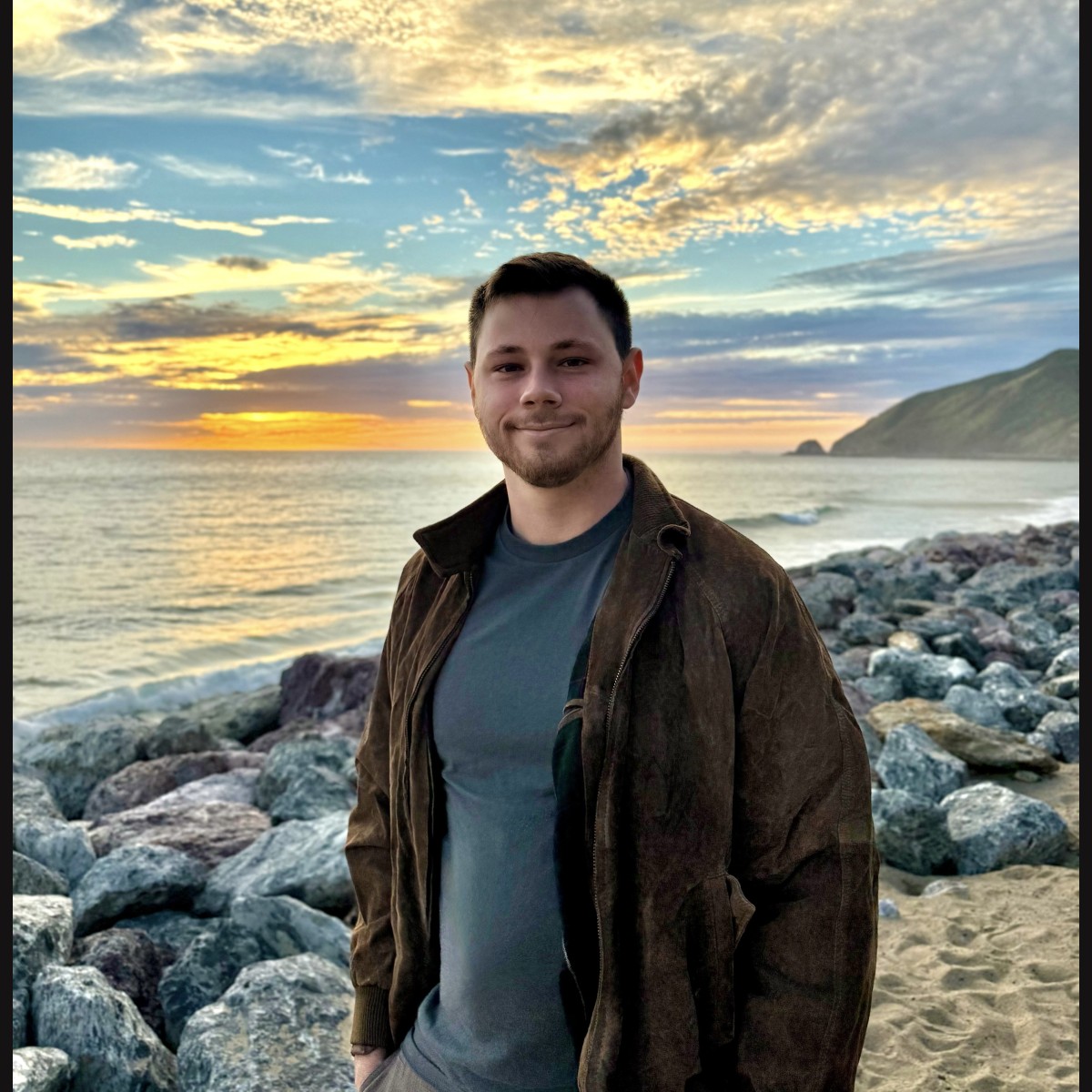
Marek Ostrowski talks with Joey Milberg about stumbling into a backyard barbecue in North Hollywood, trusting the creative process without waiting for permission, exploring universal struggles through queer characters, and taking the short film BRACKISH onto the festival circuit.
It is time to drop the charade and state the uncomfortable truth: multinational film corporations do not care about minority rights, authentic representation, or human dignity. What they proudly dish out season after season in multi-million-dollar blockbusters under the banner of "progress" is nothing more than cynical, calculated rainbow capitalism, where identity has been reduced to a convenient marketing device.
When push comes to shove, the industry sells out its own hollow declarations without batting an eye for the first lucrative international paycheck.
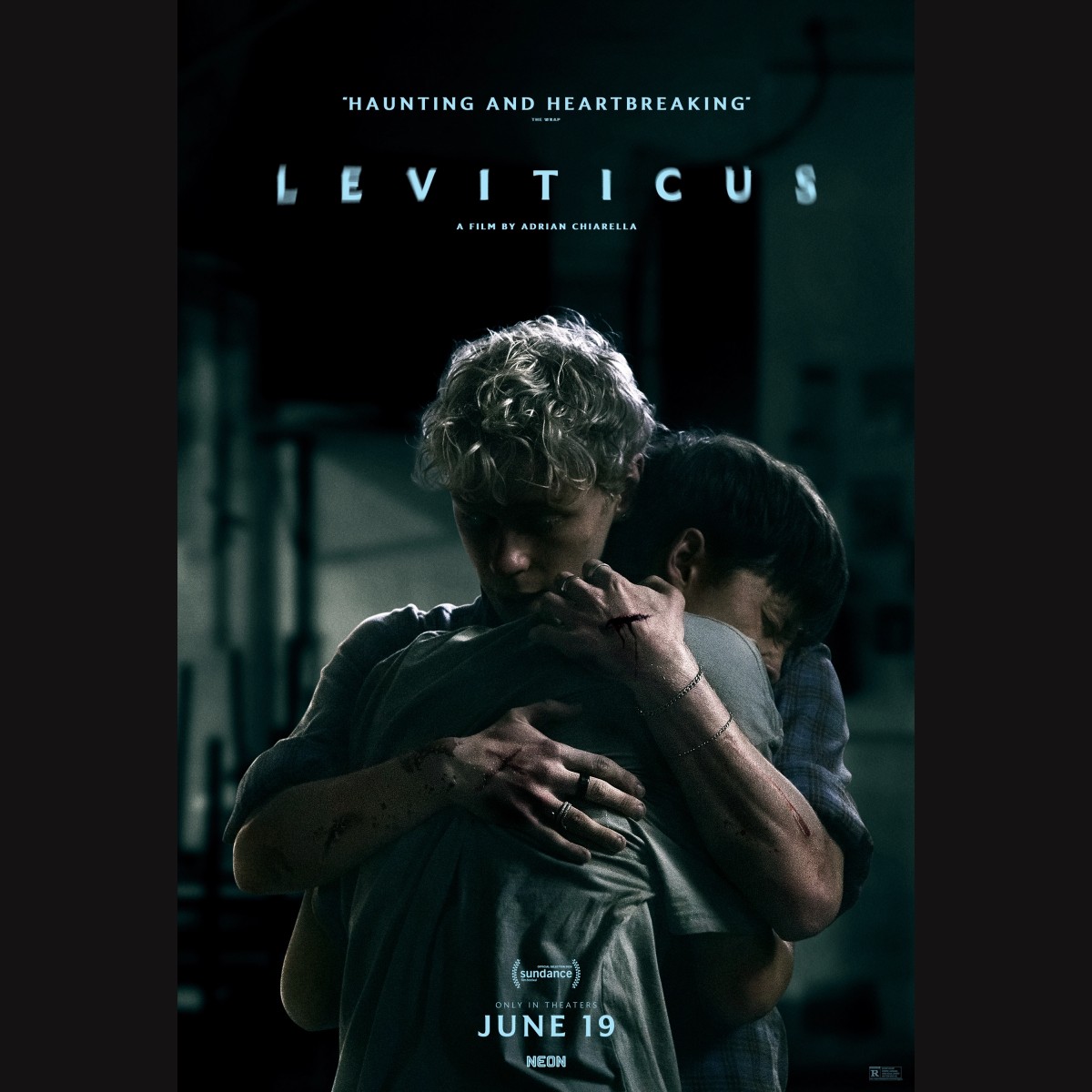
Religious repression, bodily tension, and psychological trauma take center stage as Adrian Chiarella’s queer horror feature Leviticus officially makes its theatrical debut. Starring Joe Bird (Talk to Me) and Stacy Clausen, the film transforms the internalized shame of religious homophobia into a tense, visceral cinematic experience.
Cinematic Analysis & Aesthetic Signature
Non-Linear Romance: Directed by Spanish-Colombian filmmaker Ruth Caudeli, ¿Cómo te llamas? follows the evolution of a passionate relationship between Eva, a film director, and Candela, an actress. The film juxtaposes the euphoria of their initial creative and romantic spark with the quiet, devastating drift that comes years later.
State-level censorship of queer narratives has reached a point of absurdity, but its implications for global media remain dangerously real. A Moscow court has imposed a 7.5 million ruble fine on Apple Distribution International, convicting the tech giant under Russia's draconian "LGBT propaganda" laws for distributing content and digital features that feature queer themes.
While mainstream platforms continue to tone down queer stories to keep them palatable for mass algorithms, the independent circuit is pushing in the opposite direction. Adrian Chiarella’s new film, Leviticus—starring Joe Bird (Talk to Me) and Stacy Clausen—has just premiered, bringing a sharp, uncomfortable dive into desire, guilt, and psychological power dynamics.
Modern queer cinema often tries to appeal to mainstream audiences by serving sanitized, morally pure characters and safe plotlines. Nala (2017) takes the exact opposite route—unfiltered, unpolished, and making zero PR concessions.
By QueerFilmHub Team
Eliav Lilti is an acclaimed Israeli filmmaker known for his uncompromising artistic vision, ranging from psychological indie fiction like A Urban Tale (2012) to profound archival documentaries and political series like Awakening and The Bankers Trial. In this exclusive Q&A, Lilti reflects on collective memory, uncompromising storytelling, the quiet depression of comedy icons, and why independent filmmakers must trust their gut above all else.
Streaming platforms are shifting away from endless multi-season drags in favor of tight, self-contained stories. Netflix is accelerating its fall lineup with a strong wave of European and international limited series, proving that short-form storytelling is dominating the market.
We use essential storage plus analytics and advertising partners to measure traffic and fund the site.
Privacy Policy