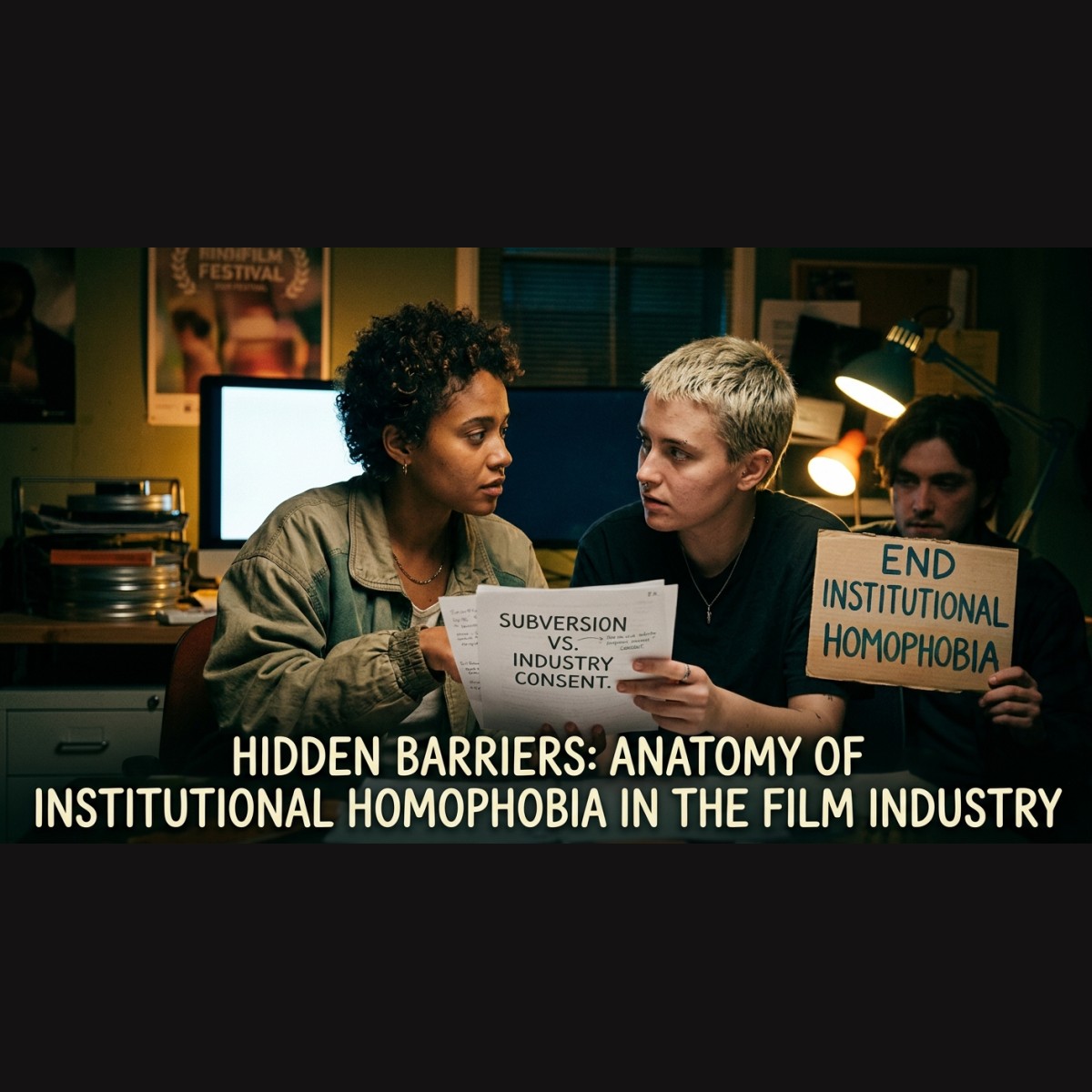
It is time to drop the charade and state the uncomfortable truth: multinational film corporations do not care about minority rights, authentic representation, or human dignity. What they proudly dish out season after season in multi-million-dollar blockbusters under the banner of "progress" is nothing more than cynical, calculated rainbow capitalism, where identity has been reduced to a convenient marketing device.
When push comes to shove, the industry sells out its own hollow declarations without batting an eye for the first lucrative international paycheck.
Queerbaiting and the Two-Second RevolutionAhead of every major sci-fi release or superhero spectacle, trade headlines trumpet the arrival of a "groundbreaking, first-ever queer character." Directors puff out their chests in press junkets, while PR departments reap the benefits of free promotion across progressive media outlets.
Yet, what actually materializes on screen?
A blink-and-you’ll-miss-it gesture: A two-second handshake, a fleeting background glance, or a single line delivered by an unnamed extra.
Designed for the cutting room floor: These characters are written and edited so that their presence has zero impact on the core narrative.
Tokenism at its finest: It is pure passivism. Studios want to collect accolades in the West for their "bravery" without risking a single dollar in markets governed by state censorship.
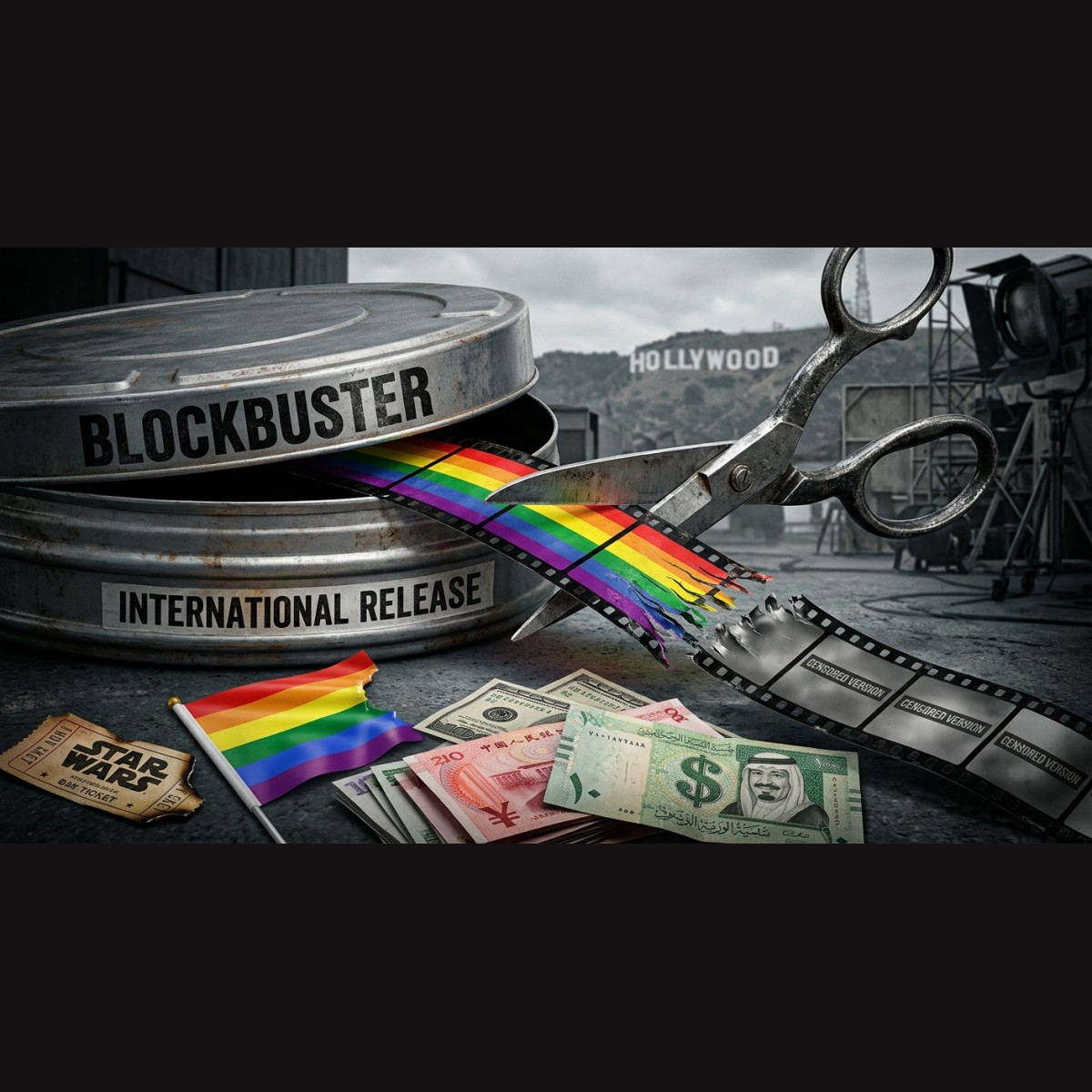
The Evidence: How Giants Sanitize Their Own Films for ProfitTo illustrate that this is not hyperbole, here is how this hypocrisy unfolds in practice when box-office revenue is on the line:
"Star Wars: The Rise of Skywalker"(Disney) — The Two-Second Revolution: After months of hype surrounding the "first same-sex kiss in Star Wars history," audiences were given a fleeting frame of two background extras. The result? In Singapore, China, and the Middle East, the scene was excised with a single edit, leaving the plot entirely untouched.
"Fantastic Beasts: The Secrets of Dumbledore" (Warner Bros.) — Censorship on Demand: The studio officially agreed to cut six seconds of crucial dialogue ("because I was in love with you") in which Dumbledore acknowledges his past feelings for Grindelwald for the Chinese market. Warner Bros. defended the move by claiming the "spirit of the film remains intact," prioritizing local revenue over the character's integrity.
"Bohemian Rhapsody" (Fox / Disney) — Whitewashing an Icon: In Chinese theaters, over four minutes of vital footage were purged from the Freddie Mercury biopic—including references to his sexuality, key dialogue, and entire relationship arcs. The corporation chose to distribute a sanitized, distorted portrait rather than forfeit market access.
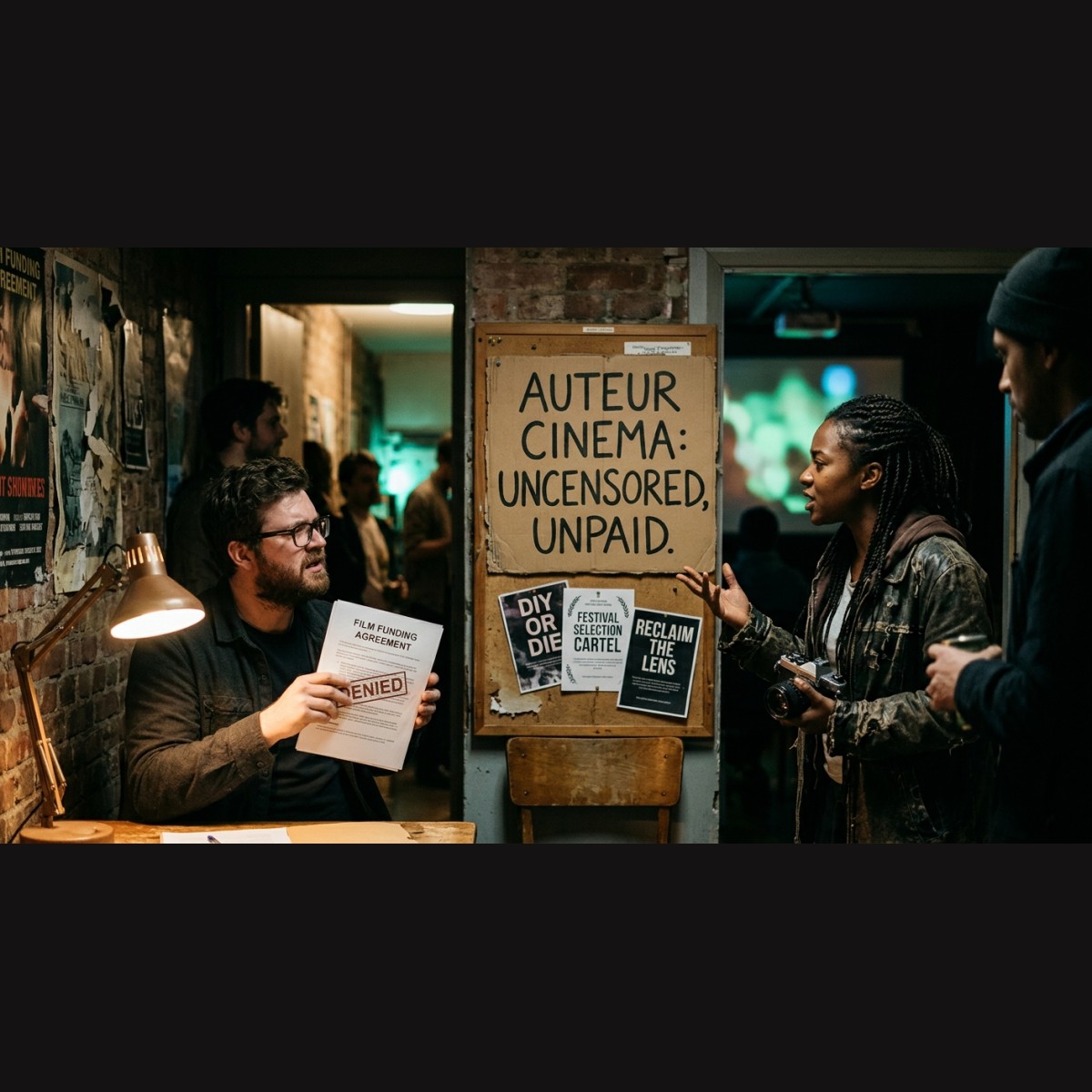
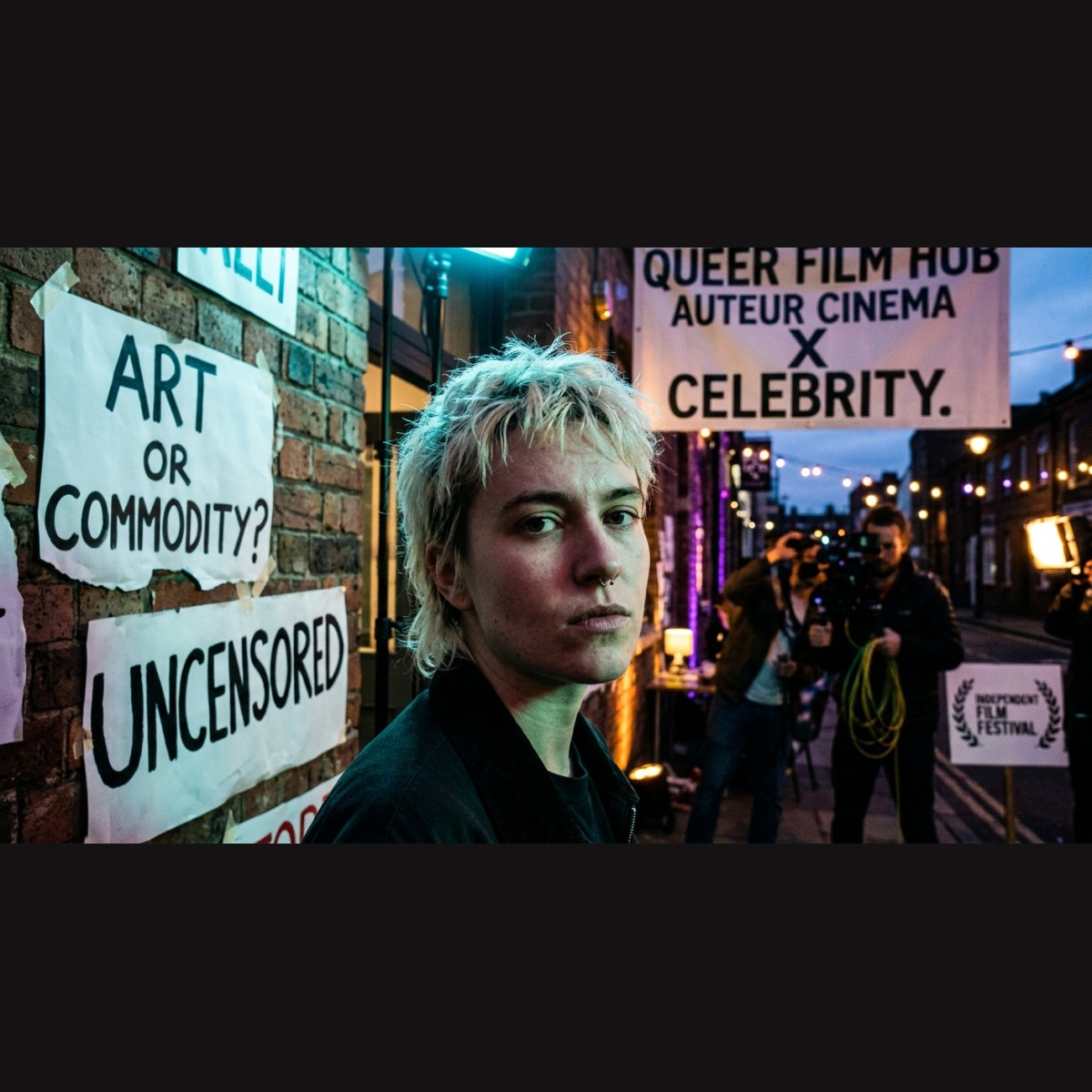
Rejecting the Crusts from the TableAs an audience, we must stop celebrating the crumbs tossed from corporate tables. It is time to end the standing ovations for superficial alliances and empty gestures. Queer cinema does not need corporate patronage—it demands uncompromising truth, authentic voices, and a level of artistic courage that no marketing budget can buy.
As long as we remain quiet and continue purchasing tickets for sterile, censored spectacles, our identity will remain nothing more than a line item on a studio spreadsheet in Los Angeles.
Industry
Time to drop the masks: How cinema giants trade in LGBTQ identity
It is time to drop the charade and state the uncomfortable truth: multinational film corporations do not care about minority rights, authentic representation, or human dignity. What they proudly dish out season after season in multi-million-dollar blockbusters under the banner of "progress" is nothing more than cynical, calculated rainbow capitalism, where identity has been reduced to a convenient marketing device. When push comes to shove, the industry sells out its own hollow declarations without batting an eye for the first lucrative international paycheck.