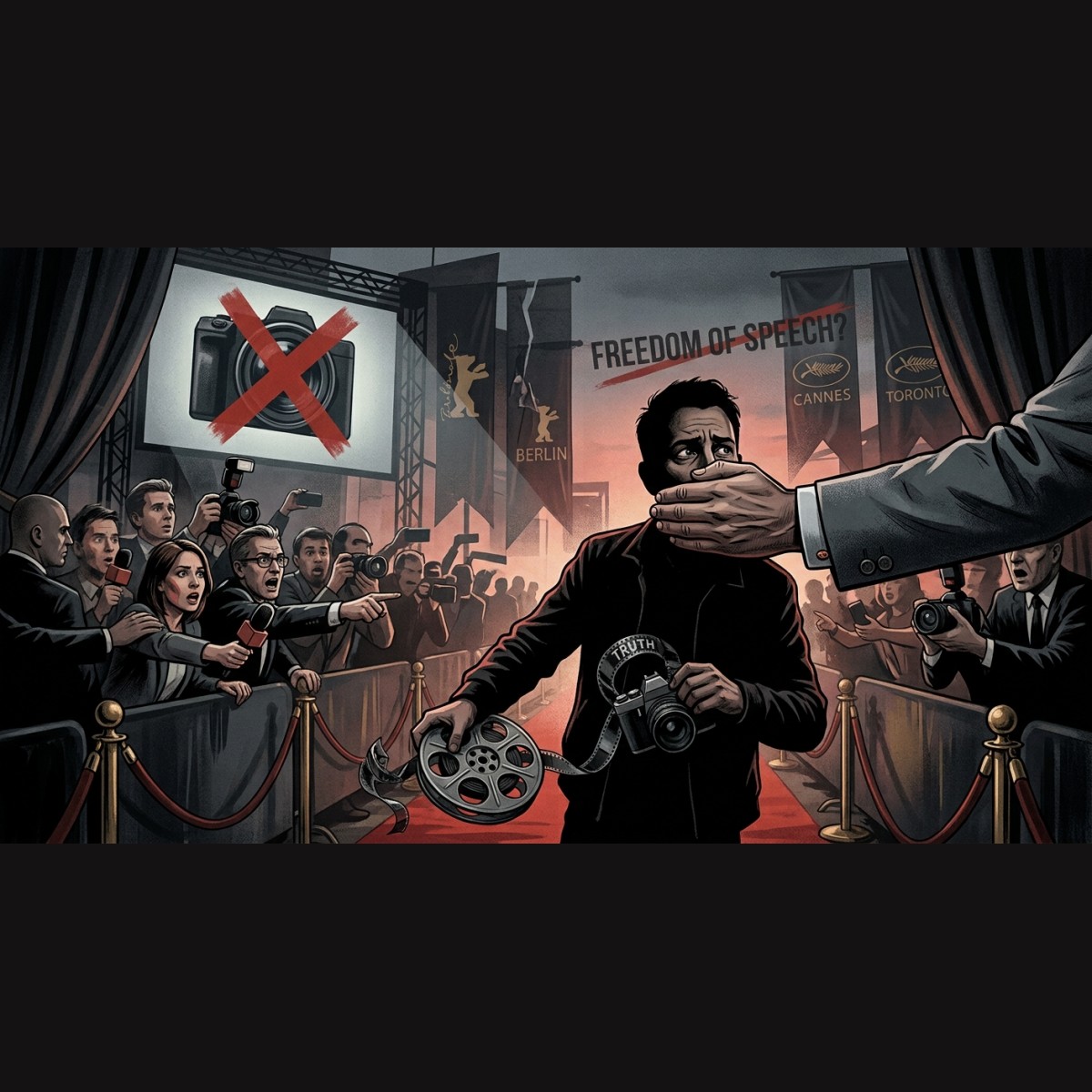
Nothing could be further from the truth. Behind the glamour, champagne, and high-stakes awards races lies a brutal game of geopolitical leverage, state pressure, and preemptive diplomatic censorship.
When state subsidies, talent visas, or international relations are at stake, major festivals unhesitatingly choose comfortable conformity.
The Dark Side of International FestivalsFestival censorship rarely manifests as an official stepping into the projection booth. Today, the approach is far more subtle—and far more effective:
Behind-the-Scenes Scrapping: Rather than issuing explicit bans, programming boards simply quietly drop controversial titles dealing with oppressive regimes, discrimination, or minority rights. Festival directors hide behind claims of "artistic discretion" to sidestep difficult questions.
Diplomatic Blackmail and Visa Cancellations: Foreign embassies and ministries of culture exert heavy pressure on organizers, threatening to withdraw entire national delegations or revoke funding if an unwanted film appears in the lineup.
Protests and Clashes in the Shadow of Awards: When daring works do manage to pierce the barrier of censorship, they trigger clashes with police, sudden film withdrawals by directors protesting compromise, and politically charged press disruptions.
Scandals Swept Under the RugHere is how major powers and institutions have coerced selectors in recent years:
Beijing’s Pressure on European Festivals: Chinese authorities have repeatedly threatened to boycott Western festivals with their mainstream directors if independent documentaries from Taiwan, Hong Kong, or Tibet are included in competition strands.
The Middle East and Double Standards: Excising or sanitizing queer-themed scenes during festival screenings in the Middle East has become a accepted standard—often condoned by European festival partners under the guise of "respect for local culture."
Trouble on the Home Front: Even within Europe, cultural events focused on human rights and identity politics are frequently marginalized or stripped of municipal funding under pressure from local politicians.
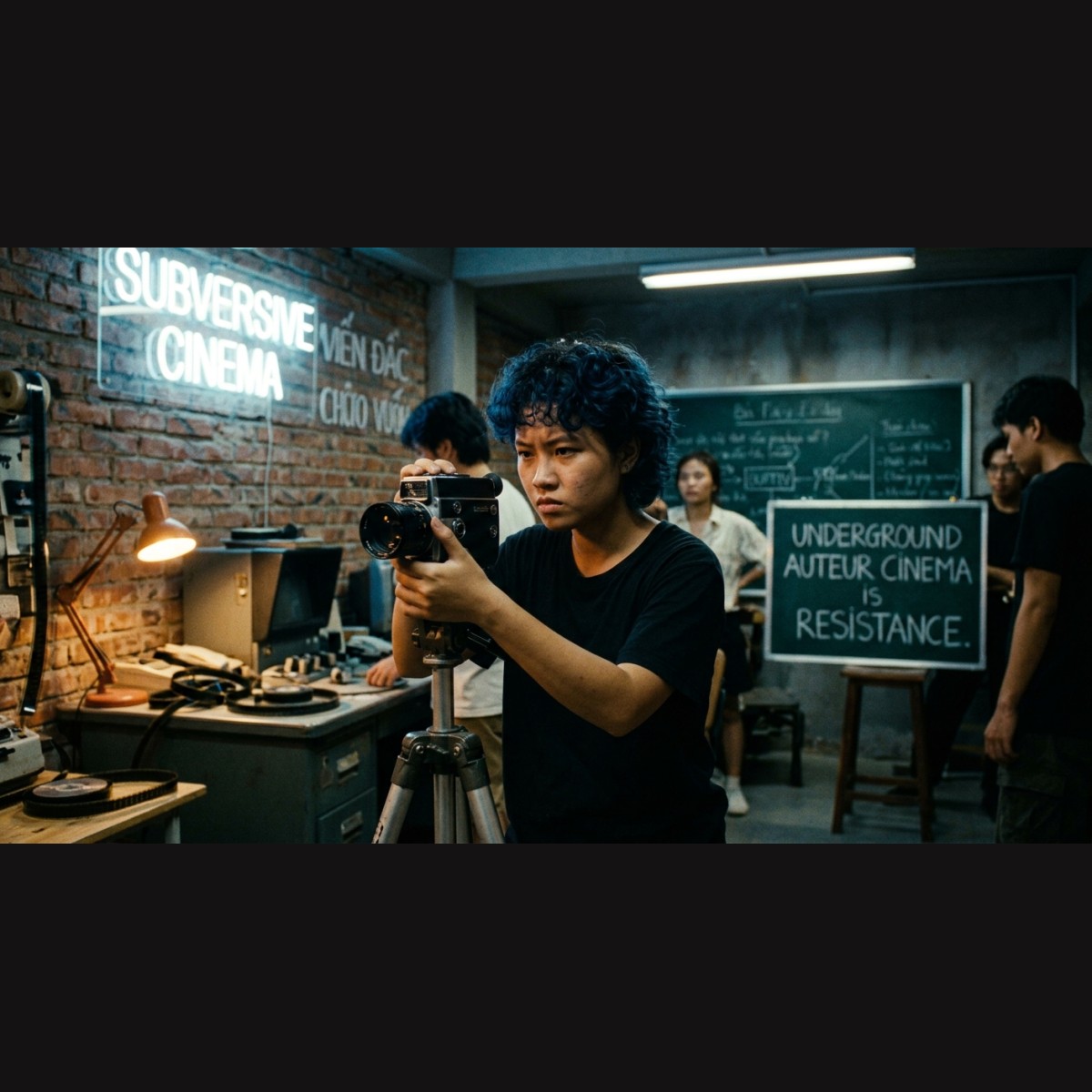
Art Needs No PermissionTrue, uncensored cinema is not made to appease diplomats. Every film pulled from a schedule and every blocked director serves as living proof that an independent voice still carries a potent sting.
As a global community of cinephiles and critics, we cannot allow festival directors to trade creative courage for quiet standing with investors.
World
Censorship on the Red Carpet: How International Film Festivals Suppress the Truth in the Name of Diplomacy
It is widely believed that international film festivals—from Cannes and Berlin to Toronto and smaller regional events across Europe—are bastions of free speech and artistic independence.