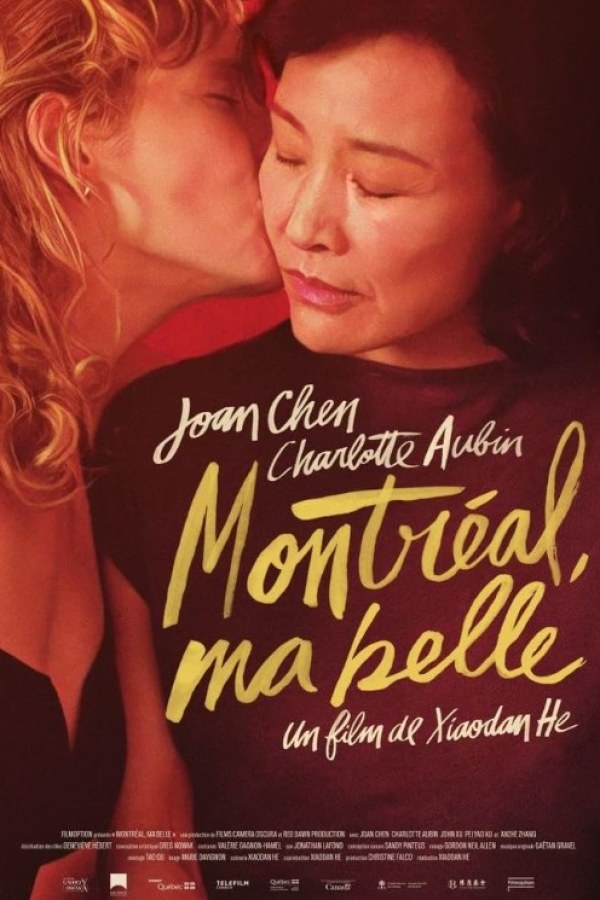
🎬Montreal, My Beautiful
Montreal, My Beautiful (2019) is an intimate Canadian short film that explores love, connection, and identity set against the backdrop of Montreal's vibrant urban landscape.
The narrative follows a young woman navigating the complexities of her emotional life, past relationships, and evolving desires. As she wanders through the iconic neighborhoods and quiet spaces of Montreal, her encounters reflect a delicate search for belonging, intimacy, and self-discovery within the contemporary sapphic dating landscape.
💡 Did you know?
Atmospheric Homage to Montreal: The short serves as both a romantic character study and a cinematic ode to the city of Montreal, leaning heavily on natural light and atmospheric street photography.
Queer Short Film Circuit: Featured across regional Canadian and international LGBTQ+ film festivals, earning appreciation for its subtle, naturalistic acting and quiet emotional resonance.
⭐ Film Evaluation & Ratings 📈
⭐ Festival & Audience Consensus: 6.7 / 10
Appreciated in indie short film spaces for its grounded storytelling, authentic dialogue, and expressive cinematography.
🎨 Visual & Urban Aesthetic: 7.2 / 10
Employs an observational visual style that highlights Montreal's architecture and cultural pulse to match the internal mood of its protagonist.
📝 Portal Recommendation:
A fitting addition for Canadian Queer Short Film Archives, Urban LGBTQ+ Spotlights, and Contemporary Sapphic Short Retrospectives. Pairs naturally with titles like I Like Movies (2022), Margaux without a 'x' (2019), or Soft (2020).



Comments
No comments yet. Be the first!
Leave a comment