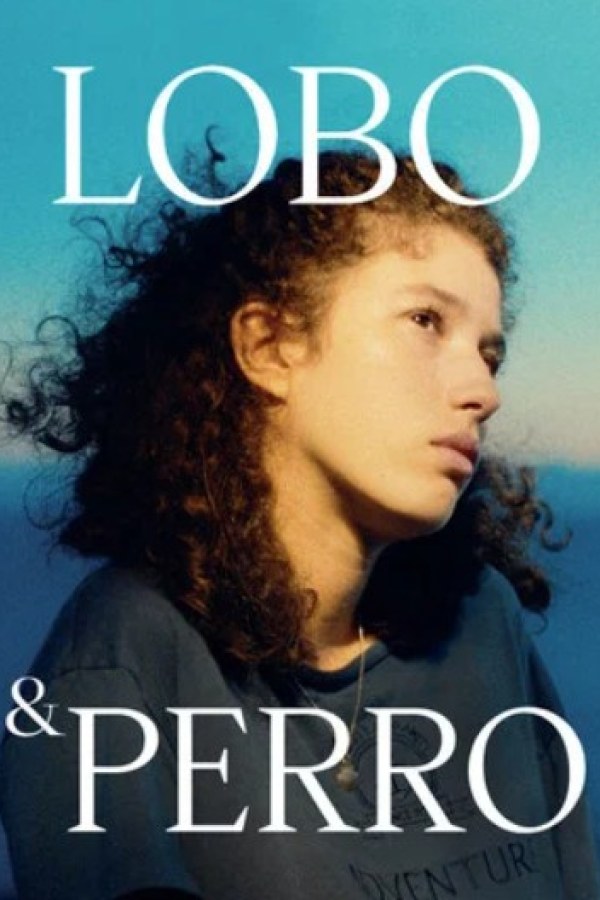
🎬 Lobo y Perro
Lobo y Perro (2022–2023)—released natively as Lobo e Cão—is a sumptuously shot, dreamlike, and naturalistic coming-of-age portrait that invites the QueerFilmHub.com audience to the breathtaking, isolated edges of the Atlantic Ocean. Set on São Miguel, a remote island in the Azores archipelago fiercely bound by strict religious traditions and rigid, old-world gender roles, the narrative follows Ana (Ana Cabral). Growing up in a multi-generational matriarchal home, Ana learns early on that her conservative community leaves very little room for individual freedom or feminine divergence.
Her ultimate emotional safe haven is her fiercely loving, gender-fluid best friend Luís (Ruben Pimenta), a proud local queer youth who challenges the island's hyper-masculinity by embracing dresses just as effortlessly as pants. The intimate, protective bubble they've created together faces a massive wave of change when Cloé (Cristiana Branquinho), an old friend, arrives from Canada. Cloé brings with her the vibrant, liberating aura of progressive youth, sparking an immediate emotional and sexual awakening inside Ana. Directed with deep visual poetry by acclaimed documentarian Cláudia Varejão in her fiction feature debut, the film shifts between gritty social realism and dream-like, oneiric fantasy. It is a gorgeous, atmospheric ode to local chosen families, exploring the raw friction that occurs when a fiercely resilient queer community demands space to bloom inside the tight walls of isolation. 🌊🏳️🌈
💡 Did You Know? 🧠
An Authentic, Non-Professional Cast: Rather than hiring seasoned movie stars, director Cláudia Varejão spent months embedding herself in the island's actual community. The entire movie is cast with local, non-professional actors who infused their own genuine, real-life queer experiences directly into the characters.
Venice Film Festival Glory: The feature made massive waves during its world premiere at the 79th Venice Film Festival, where it snatched up the prestigious GdA Director's Award in the Giornate degli Autori sidebar
The "Wolf and Dog" Meaning: The title evokes the ancient French/Portuguese idiom ("entre chien et loup"), which refers to twilight or the golden hour—the specific time of day when the light is fading so fast you cannot tell a protective dog from a predatory wolf. It functions as a gorgeous metaphor for the boundary-blurring transition between adolescence and adulthood, as well as tradition and freedom
A Visual Masterclass: The film earned immense praise on the international circuit for its cinematography, captured by Rui Xavier. It actively uses the raw, overcast sea-scapes, crashing waves, and neon-lit underground safe havens of the island to tell a story through atmospheric mood rather than dense, heavy dialogue.



Comments
No comments yet. Be the first!
Leave a comment