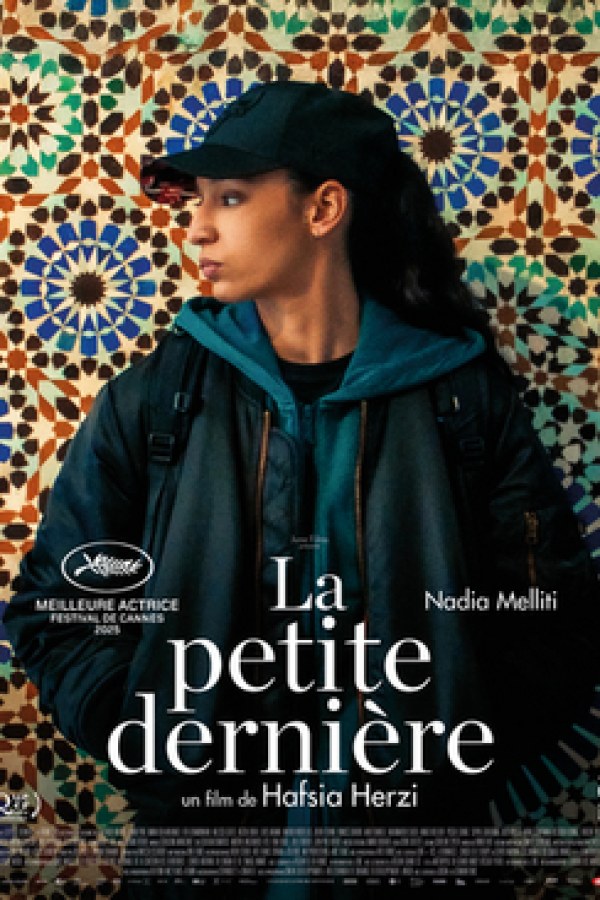
🎬 La Petite Dernière (International Title: The Little Sister)
Fatima (Nadia Melliti) is a young French-Algerian woman, the youngest daughter (la petite dernière) of an observant Muslim immigrant family living in the Parisian banlieues. Asthmatic, deeply spiritual, and fiercely attached to her family's heritage, Fatima struggles with an internal fracture between her devout Islamic faith and her emerging realization that she is attracted to women.
Navigating university life, suburban family expectations, and the nocturnal pulse of Paris, Fatima experiences her first sapphic romances while trying to reconcile her love for Allah with her identity as a lesbian. As she moves between her traditional household, religious prayers, and romantic encounters, Fatima embarks on an emotional journey toward self-definition without relinquishing any piece of her soul.
💡 Did you know?
Cannes Queer Palm & Best Actress Winner: Premiering in the main competition at the 2025 Cannes Film Festival, the film won the prestigious Queer Palm and earned lead actress Nadia Melliti the Best Actress Award.
Autobiographical Literary Adaptation: Adapted directly from Fatima Daas's acclaimed 2020 debut novel La Petite Dernière (The Last One), which made waves internationally for its poetic exploration of queer Arab-Muslim identity in France.
Hafsia Herzi's Auteur Rise: Marks the third feature directorial triumph for French actress-turned-director Hafsia Herzi (You Deserve a Lover, Bonne Mère), cementing her reputation for sensitive, character-driven French social realism.
⭐ Film Evaluation & Ratings 📈
⭐ Global Critical & Festival Consensus: 7.8 / 10 (Cannes Award Winner / César Award Winner)
Universally celebrated by international critics for Nadia Melliti's breakout performance and Hafsia Herzi's tender, non-sensationalized exploration of faith and sapphic desire.
🎨 Script & Emotional Craft: 8.2 / 10
Delivers a deeply empathetic, poetic character study that treats both religious faith and queer identity with immense dignity.
📝 Portal Recommendation:
A major cornerstone entry for Modern French Cinema Archives, Queer Islamic Identity Spotlights, and Contemporary WLW Literature Adaptations. Pairs naturally with titles like Water Lilies (2007), Blue Is the Warmest Color (2013), or Kokon (2020).



Comments
No comments yet. Be the first!
Leave a comment