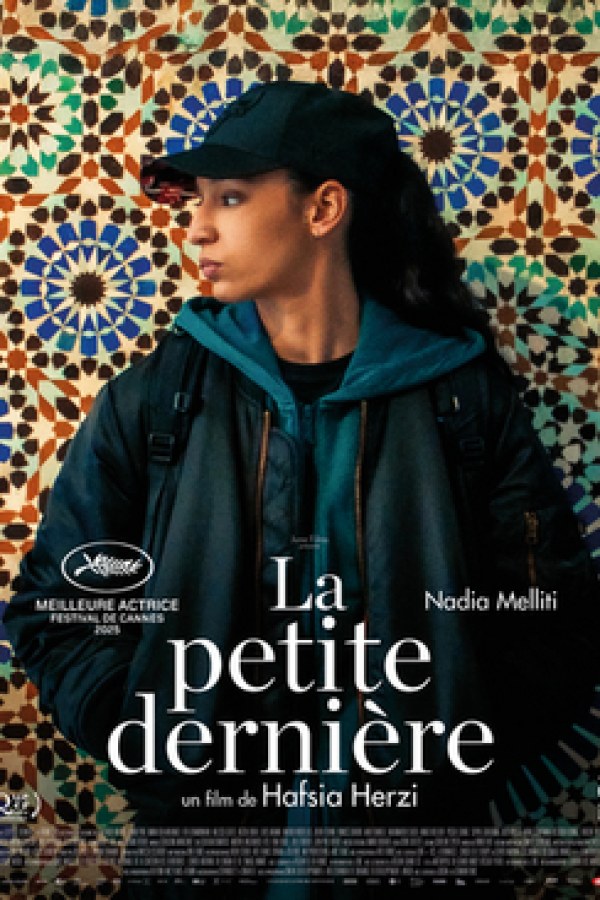
Adapted from Fatima Daas’s acclaimed autobiographical novel The Last One (La Petite Dernière), Hafsia Herzi’s third feature film confirms her place as one of the most empathetic and vital voices in French cinema. Shifting her focus from the romantic tribulations of You Deserve a Lover and the working-class motherhood of Good Mother, Herzi tackles a complex, deeply personal nexus of Maghrebi identity, Islamic faith, and lesbian self-discovery.
The Plot
Fatima is the youngest daughter of Algerian immigrant parents, growing up in the working-class Parisian banlieue of Clichy-sous-Bois. Raised in a devout Muslim household where expectations are rigid and silent, Fatima feels perpetually caught between worlds. As she moves through adolescence and university in central Paris, she confronts a growing realization of her attraction to women. Refusing to reject her religious faith or cut ties with her family, Fatima embarks on a quiet, agonizing, and ultimately liberating journey to reconcile all parts of her identity.
Cinematic Style & Performance
Tactile Naturalism: Herzi brings her signature documentarian intimacy to the screen. Using handheld camerawork and tight framing, the film captures the sensory contrasts between the domestic warmth of the banlieue home, the quiet reverence of prayer, and the electric, unfamiliar nightlife of Parisian queer spaces.
A Revelatory Lead: Starring non-professional talent alongside seasoned actors, the central performance grounds the film in profound vulnerability. Through subtle glances, hesitations, and silences, the narrative communicates the suffocating weight of unsaid truths.
Nuanced Scripting: Herzi resists sensationalizing the clash between religion and sexuality. Instead of treating Islam and lesbian identity as inherently mutually exclusive enemies, the script approaches faith with tenderness and respect, focusing on Fatima's internal spiritual dialogue rather than external trauma.
The Verdict
La Petite Dernière is a triumph of modern European queer cinema. Hafsia Herzi delivers a powerful, non-judgmental portrait of self-acceptance that honours both heritage and personal freedom without demanding sacrifice or erasure.
QueerFilmHub Rating 🌟🌟🌟🌟✨ (4.5 / 5)
Core Themes Intersectionality, Faith & Sexuality, Family Dynamics, Self-Discovery
Festival Status Official Selection / Critical Acclaim
Read more indie film reviews, director spotlights, and festival breakdowns on QueerFilmHub.com.
☕ Support independent film journalism on Patronite.
(https://patronite.pl/)