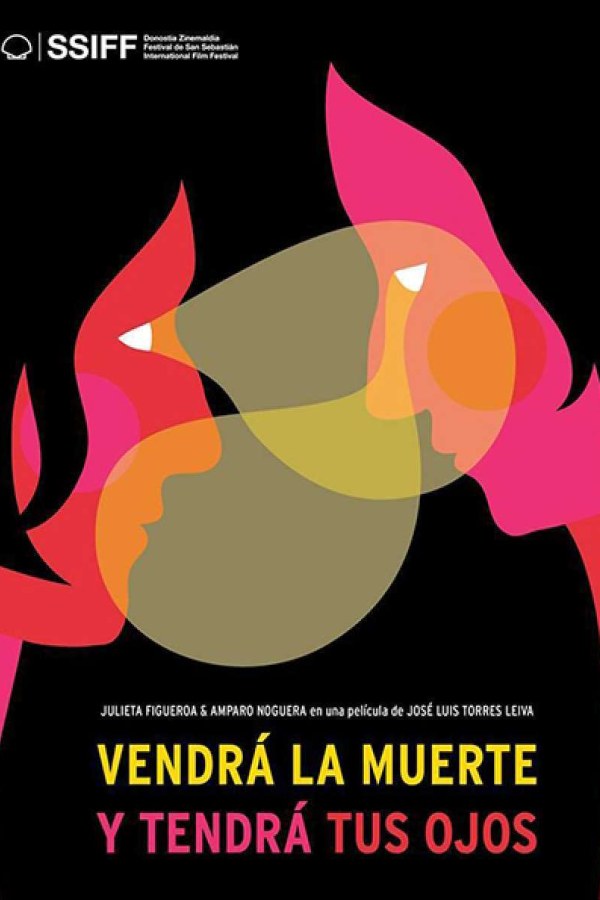
Death Will Come and Shall Have Your Eyes
Ana (Julieta Figueroa) and María (Amparo Noguera) are two women in their fifties who have shared a deep, loving relationship for more than twenty years. When María is diagnosed with a terminal illness, she decides against undergoing further painful medical treatments in a hospital. Instead, Ana helps her move into a secluded cabin surrounded by nature in southern Chile to spend her final days in peace. As the inevitable end approaches, the two women retreat into an intimate world filled with quiet routines, shared memories, soft conversations, and allegorical stories, facing mortality together through unconditional devotion and love.
⭐ Film Evaluation & Ratings 📈
🟡 IMDb Rating: 6.2 / 10
🍅 Rotten Tomatoes: 75% Tomatometer (Critics)
🗣️ Critical Consensus: Premiering in main competition at the San Sebastián International Film Festival, José Luis Torres Leiva’s drama was acclaimed for its austere beauty, contemplative pacing, and deeply moving lead performances by Amparo Noguera and Julieta Figueroa. Critics lauded the film for its delicate, non-melodramatic treatment of grief, intimacy, and terminal illness, framing love as a serene sanctuary against mortality.
Analysis & Key Themes
Intimacy in the Face of Mortality: Focuses on the quiet, everyday gestures of caregiving and affection that define a lifelong partnership during its final chapter.
Autonomy & Dignity in Dying: Examines María's choice to reject clinical intervention in favor of emotional comfort, nature, and self-determination.
Storytelling & Allegory as Comfort: Interweaves surreal, fable-like vignettes throughout the narrative to process grief, mortality, and the transcendent nature of love.
Minimalism & Spatial Sanctuary: Uses a secluded natural landscape and muted interior spaces to emphasize the emotional bubble created by the two women.
Key Scene
The Forest Cabin Awakening: A quiet, emotionally resonant morning sequence where Ana and María lie together in bed listening to the rain outside. Without dramatic dialogue, the unspoken gaze between the two women and the subtle physical gestures convey two decades of shared history and the impending weight of farewell.
💡 Did You Know?
Poetic Title: The film takes its title from the famous 1950 poem "Verrà la morte e avrà i tuoi occhi" by the renowned Italian poet Cesare Pavese.
Festival Acclaim: The film competed for the prestigious Shell Golden Shell at the 67th San Sebastián International Film Festival and screened across major auteur film festivals worldwide.
Longtime Collaboration: Director José Luis Torres Leiva previously worked with lead actress Julieta Figueroa on his critically acclaimed debut feature The Sky, the Earth and the Rain (El cielo, la tierra y la lluvia).
Recommendations
Target Audience: Admirers of slow, contemplative art-house cinema, meditative character studies, minimalist romances, and nuanced portrayals of mature queer relationships.
Similar Titles: Amour (2012), Vortex (2021), Cloud 9 (2008), Supernova (2020), Song Without a Name (2019).






Comments
No comments yet. Be the first!
Leave a comment