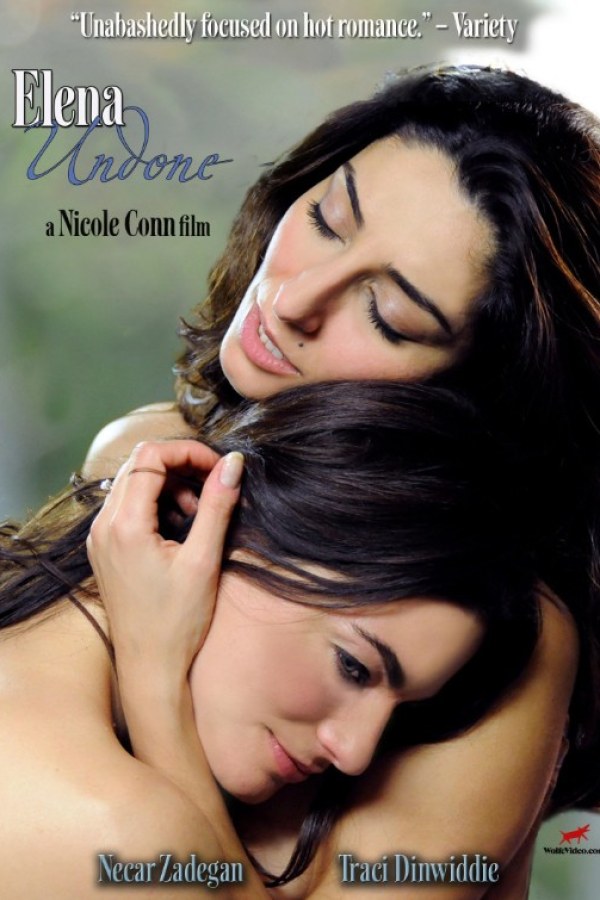
Nicole Conn is a legendary American director, screenwriter, producer, and author. A true pioneer in sapphic and LGBTQ+ cinema, Conn has spent decades creating deeply romantic, emotionally complex, and visually sensual stories—from cult classics like Claire of the Moon, Elena Undone, and A Perfect Ending to her recent expanding universe of literature, audiobooks, dance films, and unscripted series.
On Re-writing the Aesthetics of Romance
QueerFilmHub:
What are the greatest structural challenges facing independent queer directors today, and how do you protect your artistic vision while fighting to bring female desire and emotional complexity to the screen?
Nicole Conn: The biggest structural challenge is access to money—and the creative authority that comes with it. You can have a deeply committed audience and still spend an enormous amount of your working life convincing people that their stories deserve investment.
For independent queer filmmakers, that pressure affects everything: the time available to shoot, the performances you can develop, the resources for postproduction, and ultimately whether audiences discover the film. Protecting a vision requires support from the first draft through distribution.
I’ve always wanted women’s desire to have emotional weight. Attraction is bound up with longing, fear, history, vulnerability, and the possibility of becoming someone you hadn’t allowed yourself to be. That complexity is what interests me.
An uncompromising vision still benefits from collaboration and thoughtful feedback. The question I keep returning to is: does this choice make the story more truthful? I want collaborators who will help me reach that truth in the best way it serves the project.
Our community deserves films that can be sensual, difficult, joyful, messy, and profoundly romantic. We need the resources to explore that full range—and the means to reach the people waiting to see themselves.
On Descending Thirds — The Power of Ambition
QueerFilmHub: Your novel Descending Thirds explores ambition, secrets, and love within the classical music world. How did your background in screenwriting and editing influence its narrative pacing, and how personal is this project to your own artistic roots?
Nicole Conn:
I think as a director and feel as an editor even when I’m writing prose. I’m aware of where a scene begins, what remains unspoken, when to hold a moment, and when a revelation changes everything that came before it. Those instincts shaped the pacing of Descending Thirds.
The novel actually began as a screenplay many years ago. Writing it as a novel allowed me to enter the characters’ private worlds more deeply: the gap between what they perform publicly and what they desperately need personally.
At its center is Alexandra von Triessen, caught between two extraordinary brothers, Sebastian and Conrad D’Antonio, against the world of classical piano competition. The suspense comes from ambition, desire, and family secrets colliding. What does greatness cost? What happens when love and artistic identity become impossible to separate?
My mother, Christa Hoven, was a classical pianist and teacher. She gave me the musical world from which this story grew.
Working with Mary Jane Wells was extraordinary. Many know Mary from her performances in both Elena Undone and A Perfect Ending. She narrated and produced the audiobook, bringing emotional intelligence, distinct characterizations, and a wonderful sensitivity to rhythm. Together with original compositions by Sally Bishop Melbourne and nearly seventy classical music selections, the audio gives listeners access to the music at the heart of the story as well as a more cinematic listening experience. My mother’s own performances are part of it, which makes this project deeply personal. Because she passed a day after the release of the audiobook, it’s also a love letter to her.
That combination of performance, music, and storytelling is also why I’m developing Descending Thirds as a nine-part limited series. These characters need room for their ambitions, contradictions, and devastating choices to unfold. Plus, it’s prestige television with Emmy-winning potential performances.
On Blue Love Dance and the Fluidity of Art
QueerFilmHub: Movement and music play a vital role in your cinematic visual language. How did Blue Love Dance – A CineRomance evolve from More Beautiful for Having Been Broken, and how does dance allow you to communicate subtext that words cannot?
Nicole Conn:
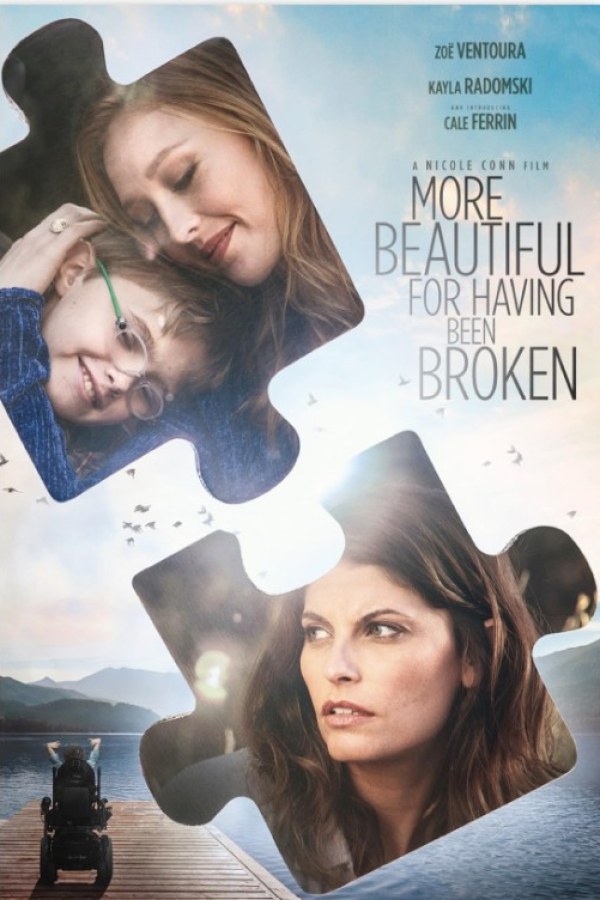
Blue Love Dance – A CineRomance grew from the love-scene dance in More Beautiful for Having Been Broken, featuring Kayla Radomski and Zoe Ventoura. It is one of the sequences I treasure most in my career. It took me over a year to edit that sequence alone. There is nothing else like it out in the universe, and I’m very proud of it.
The project takes audiences behind the creation of that moment and into the personal and creative journey surrounding the film. That journey includes profound loss, my son Nicholas’s medical challenges, and the persistence it takes to keep creating through circumstances that can overwhelm you.
Dance gives me an intimate way to express what characters may struggle to articulate. A hesitation, a shift in weight, the decision to move closer or surrender to another person—each can reveal an emotional change before anyone speaks.
With these two women, movement carries tenderness, attraction, and trust. The audience can feel their connection developing physically. It’s also very sensual and provocative.
As a filmmaker, I love bringing performance, music, image, and editing together until they create an emotional experience. Blue Love Dance lets me share both that finished experience and the human effort behind it. It’s a love letter to the creative process and to the people who make those moments possible. It also features never-before-seen behind-the-scenes footage of the production process and interviews with Kayla Radomski and Zoe Ventoura.
On Coming Out For Love and do we not grieve — A Vision for the Future
QueerFilmHub:
From pioneering the dating competition space with Coming Out For Love to your upcoming feature do we not grieve, what is the core message you hope audiences take away about queer romance and self-acceptance?
Nicole Conn:
The vision behind Coming Out For Love remains deeply relevant: queer women deserve to be at the center of their own romantic stories.
The series brings sixteen queer women together in a dating competition hosted by Jessica Clark, with Amber Whittington as the woman seeking love. What mattered to me was giving audiences a fuller picture of our community through the participants, their experiences, and the connections they formed.
Romance makes people vulnerable. It brings out hope, insecurity, humor, courage, and sometimes the parts of ourselves we would prefer to hide. I wanted viewers to encounter that humanity and recognize something of their own longing.
The core truth I hope they take away is that we deserve love without having to make ourselves smaller to receive it. For someone still finding the courage to live openly, seeing queer people pursue connection can carry enormous meaning. Additionally, the very diverse group of contestants and the 19 guest judges show the world how brilliant and lovely our community is in an authentic way rarely seen.
That belief runs through my work. It also informs my next feature, do we not grieve, about two women who meet through a specialized grief group, initially resist one another, and gradually discover the possibility of healing and love.
Closing Note
QueerFilmHub: Thank you so much, Nicole, for your incredible contributions to queer cinema, your profound openness, and for sharing your journey and vision with the QueerFilmHub community!