![🎬MOVIE REVIEW : Picture of Beauty [2017]](/uploads/articles/art_6a5cc23fcf4661.55839073.jpg)
THE TENSION BETWEEN ART AND ERÒTICA: Why Picture of Beauty is a Divisive Experiment in Liberation
Integrating explicit sexuality into narrative cinema has always been a highly volatile balancing act. While mainstream auteurs like Lars von Trier or Abdellatif Kechiche have heavily leveraged unsimulated intimacy to dissect psychological extremes, independent director Maxim Ford’s Picture of Beauty (2017) attempts a completely different, softer trajectory. Operating at a unique, low-budget intersection of historical period drama, classical art history, and the European ethical eròtica movement, this compact 70-minute feature positions itself as a fluid meditation on female agency and aesthetic liberation.
However, by navigating this exceptionally blurred line, Ford delivers an intensely polarizing piece of independent cinema—one that fluctuates between a visually striking, painterly tribute to classical art and an amateurish, poorly paced execution that threatens to collapse under its own structural limitations.
The Narrative: Aesthetics as a Sanctuary from Oppression
Set against a backdrop of a deeply conservative, morally rigid historical society, the story follows a web of characters seeking an escape from systemic and religious repression through creative and physical expression.
The plot revolves around Franek (Pawel Hajnos), a quiet, talented art forger and painter who, along with his fiercely loyal studio assistant Hazel (Magdalena Bochan-Jachimek), accepts a high-paying commission from a glamorous local Madam. Their task is to paint a massive, alluring centerpiece for a high-end brothel to help drum up new elite clientele. While surrounded by traditional models, Franek yearns for a subject possessing a more radical, untamed spirit.
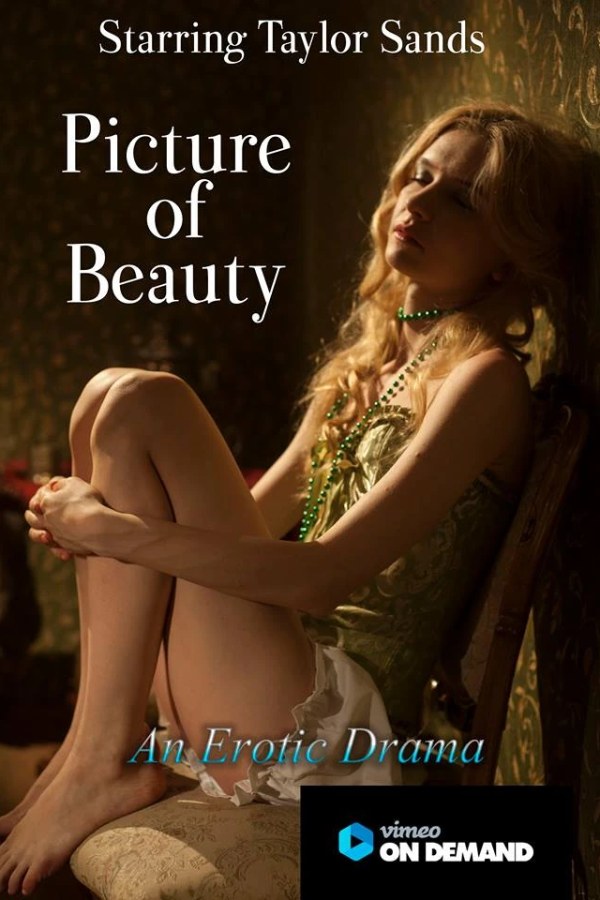
Enter Stephanie (Danielle Rose), a strong-minded, fiercely independent political activist who has recently been expelled from her university for her progressive, non-conformist views. Instantly drawn to the shy painter’s quiet sanctuary, Stephanie introduces him to her young, vulnerable friend Julia (Taylor Sands). Julia is actively fleeing the dangerous, vengeful custody of her cruel, much older husband—who happens to be a powerful and corrupt local police officer. As the two young women pose in the studio, they embark on a journey of intense self-discovery, using the artistic space to safely explore their changing feelings for one another away from a deeply punitive patriarchal system.
Aesthetics: Painterly High-Speed Cinematography vs. Budget Constraints
Where Picture of Beauty earns its praise is in its deliberate, striking visual design. Maxim Ford, who handled directing, screenwriting, and cinematography duties simultaneously, leverages his deep respect for classical art to anchor the frames.
The film relies heavily on a specific formal look:
The Influence of the Masters: The visual compositions are meticulously designed to mirror late 19th-century academic paintings, drawing explicit stylistic cues from classical masters like William-Adolphe Bouguereau. The lighting inside the studio scenes replicates the soft, directional north-light favored by classical painters.
High-Speed and Time-Lapse Elements: Ford utilizes highly dynamic, slow-motion sequences and time-lapse cinematography to track the movement of paint, light, and fabric, giving the film a dreamy, deliberate texture.
Traditional Folk Score: The entire production is backed by an evocative, rhythmic European folk score composed by Maciej Kierzkowski, which provides a rich, atmospheric contrast to the slow, lingering pacing of the narrative.
However, the film’s visual ambitions are constantly at war with its micro-budget reality. The outdoor environments and secondary locations often feel unconvincing and sparse, occasionally pulling the viewer out of the period illusion and making the broader world feel overly small.
The Controversy: Performance Fluidity and the Narrative Gaze
The performance style in Picture of Beauty remains its most heavily debated element among contemporary critics. By deliberately casting open-minded performers and independent adult-industry figures like Taylor Sands to ensure authentic, unsimulated chemistry in the explicit sequences, Ford creates a distinct tonal shift.
In the physical, wordless sequences, Sands and Rose excel, bringing a genuine, remarkably tender, and unforced vulnerability to the screen that avoids feeling like cynical, mainstream exploitation. The intimacy is framed as a tool for personal liberation rather than mere titillation.
However, when the film transitions back into standard narrative progression, the performances suffer significantly. Because the film is shot in English with a primarily Eastern European cast delivering a stiff, underdeveloped script, the line delivery can feel incredibly flat, wooden, and amateurish. The dialogue lacks the emotional complexity required to match the grand, high-concept visual metaphors Ford attempts to construct.
The Verdict: An Ambitious, Imperfect Curiosity
Picture of Beauty is a fascinating, heavily flawed artifact of modern independent cinema. It is a film that will undoubtedly alienate viewers looking for a tightly paced, mainstream historical drama, just as it will disappoint those expecting standard genre fare. It stands as a curious, beautifully shot, yet structurally clunky experiment that proves how difficult it is to seamlessly marry the raw language of physical intimacy with the delicate nuances of narrative art.
Rating: 🌟🌟🌗 (2.5 / 5)