Somatic Grace, Transnational Displacement, and the Cinematic Geometry of Longing
1. Introduction: The Transnational Chameleon
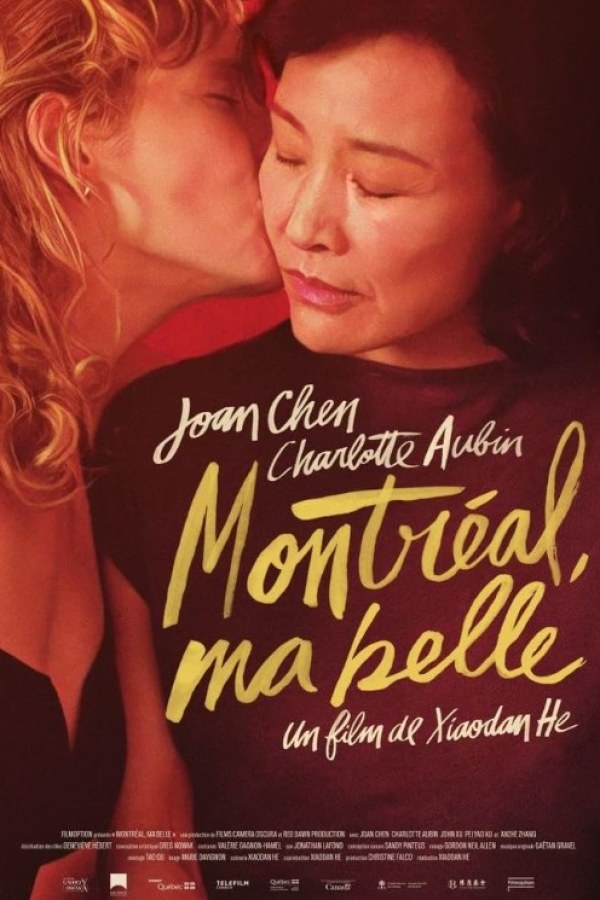
Joan Chen (Chen Chong) stands as an undefeated, towering monument of transnational cinema. Emerging from the Shanghai Film Studio during the post-Cultural Revolution era, Chen rapidly evolved from "the Elizabeth Taylor of China" into a fierce, autonomous force in Hollywood and global independent cinema. Her career is a masterclass in navigating systemic and cultural displacement. Whether collaborating with David Lynch (Twin Peaks), Bernardo Bertolucci (The Last Emperor), or Ang Lee (Lust, Caution), Chen rejects passive objectification. Instead, she weaponizes her physical presence, bringing a raw, tactile vulnerability and sharp intellectual weight to every frame.
2. The Directorial and Acting Paradigm: Bodies in Liminal Spaces
Chen’s artistic signature—both behind and in front of the camera—is characterized by a fierce, uncompromising study of desire under institutional confinement.
Xiu Xiu: The Sent-Down Girl (1998): In her staggering directorial debut, Chen proved her radical authorial eye. The film is a brutal, deeply moving biopsy of political grooming and physical degradation during China's Cultural Revolution. Chen treats the protagonist’s body not as a political prop, but as a sovereign, tragic site of survival.
Dìdi (2024): Her recent, critically acclaimed acting triumph functions as a masterclass in modern domestic realism. Playing Chungsing, an immigrant mother and frustrated painter in 2008 California, Chen strips away all Hollywood sentimentality. Her performance is intensely somatic; every micro-expression of her face documents the heavy, uncompressed weight of parental isolation, cultural erasure, and generational friction.
3. Deconstructing the Gaze of Erasure
What secures Joan Chen her permanent, legendary status within the QueerFilmHub matrix is her career-long subversion of the Western, exoticizing gaze. In an industry that historically attempted to format Asian women into passive, flat stereotypes, Chen has consistently forced a deep complexity onto the screen. Her characters are multi-dimensional, volatile, and fiercely autonomous. From her early queer-coded roles to her devastatingly real portrayal of motherhood in Dìdi, she documents the universal, often painful labor of protecting one's internal creative sanctuary from external erasure.
4. Conclusion: An Uncompromised Blueprint of Resilience
Joan Chen remains an indispensable archive of artistic survival and high-concept storytelling. By moving effortlessly between acting and directing, and between Hollywood and independent cinema, she has built a body of work defined by absolute dignity. Her ongoing legacy serves as a vital reminder that true cinematic power lies in the unvarnished, sovereign representation of human complexity.