1. The Narrative Matrix: From Alienation to Guerrilla Kinship
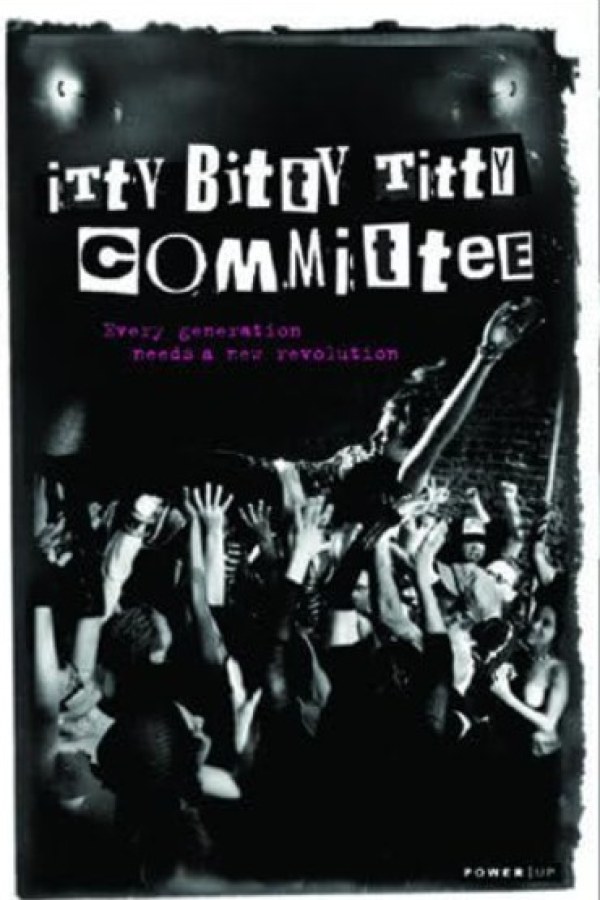
In Itty Bitty Titty Committee (2007), director Jamie Babbit constructs a fierce, hyper-kinetic, and unapologetically ideological biopsy of mid-2000s queer-feminist counterculture. The narrative tracks the rapid political radicalization of Anna (Melonie Diaz), a young woman completely stuck within the alienating, low-wage matrix of corporate beauty standards. Her entry into the clandestine feminist collective I.B.T.C. acts as a profound somatic and intellectual rupture. Babbit flatly rejects the sanitized, liberal respectability politics that formatted mainstream LGBT cinema of the era. Instead, she positions grassroots vandalism, public disruption, and absolute institutional disobedience as the only logical mechanisms to claim immediate, non-heteronormative autonomy.
2. The Visual Syntax: Lo-Fi Agitprop and Textural Disruptions
The cinematic grammar of Babbit is defined by a raw, collage-like aesthetic of disruption. Working with cinematographer Mandy Walker, Babbit implements a dynamic visual strategy that mirrors the very tactics of her protagonists.
The Guerrilla Lens: The film utilizes a mix of grainy 16mm textures, rapid-fire montage sequences, and abrupt digital overlays that break the polished flow of commercial cinema.
The Semiotic Sabotage: The camera shifts its code entirely during the collective's nocturnal operations. When the group alters public statues, defaces sexist advertisements, or occupies institutional spaces, the framing transitions into a vibrant, high-contrast playground of feminist agitprop. This technical execution ensures that the movie functions not merely as a passive narrative, but as an active visual counter-strike against the corporate formatting of the female body.
3. Deconstructing the Panopticon of Commodified Beauty
What secures Itty Bitty Titty Committee its legendary, defiant space within the QueerFilmHub contemporary archive is its ruthless analysis of media programming. The film documents how corporate advertisements operate like a psychological panopticon, formatting young women into chronic body-dysmorphia and consumption loops. The I.B.T.C. collective treats this environment as a toxic billboard that must be systematically dismantled. Babbit frames their radical activism not as a youthful phase, but as a permanent, existential commitment to self-authorship, proving that to love oneself and one's community in a market driven by shame is an act of absolute political sabotage.
4. Conclusion: The Loud, Protesting Spirit of Sovereign Cinema
Jamie Babbit has delivered a vital, fiercely independent, and formally playful monument to queer resistance. Itty Bitty Titty Committee stands as an indispensable historical archive of the post-Riot Grrrl explosion, reminding us of a time when independent film dared to be loud, dirty, and profoundly inconvenient to mainstream sensibilities. By showing that a collective of outcasts can completely rewrite the visual topography of their city, the film remains an enduring blueprint for contemporary media-activists: the ultimate act of modern rebellion is to seize the tools of representation and paint your own truth over the corporate lies.