Somatic Devastation, The Gastronomic Gaze, and the Class Stratification of Desire
1. The Narrative Matrix: The Anatomy of Emotional Devourment
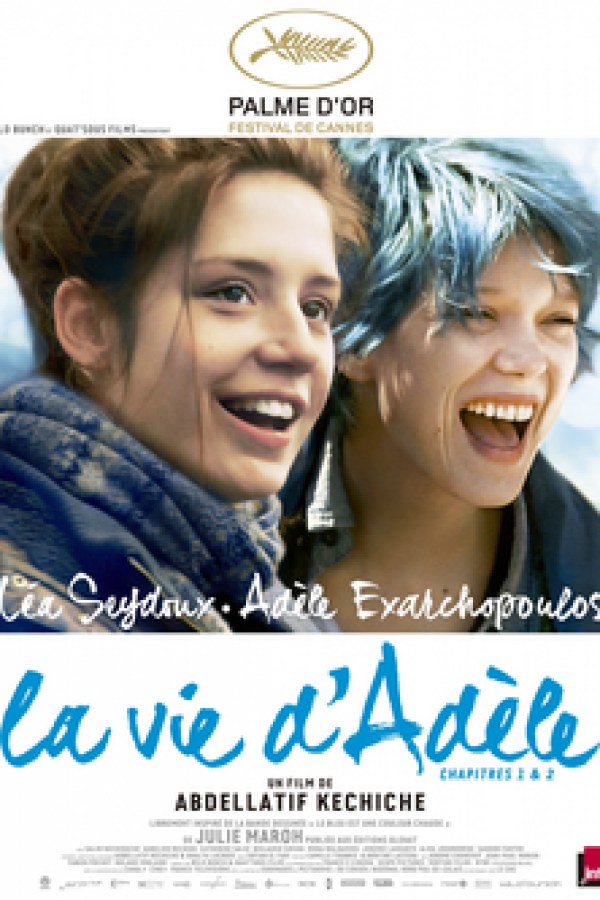
In Blue Is the Warmest Color (2013), Abdellatif Kechiche constructs a monumental, hyper-realist epic that functions as an exhaustive autopsy of a singular, transformative love affair. The narrative, tracking the trajectory of Adèle (Adèle Exarchopoulos) from working-class high school student to professional educator, revolves around her life-altering encounter with Emma (Léa Seydoux), an haute-bourgeois, blue-haired fine arts student. Kechiche bypasses traditional romance tropes, transforming their relationship into a brutal, beautiful, and deeply political study of social stratification. The film documents how desire can function as a radical space of self-authorship, while simultaneously exposing how invisible class boundaries permanently format and weaponize our capacity for intimacy.
2. The Visual Syntax: Extreme Close-Ups and Tactile Biological Realism
The cinematic grammar of Kechiche is defined by a ruthless, uncompressed obsession with the human body in its most organic, unpolished states. The camera operates in a permanent state of invasive proximity, utilizing extreme close-ups to create a claustrophobic, tactile connection with the protagonist. Kechiche treats the act of living with a dense, gastronomic gaze: characters do not merely exist; they consume, cry, sleep, and bleed with a raw, animalistic intensity. From the chaotic chewing of spaghetti to the violent, tear-soaked breakdowns, the lens strips away all Hollywood aestheticization, ensuring that the characters' evolution feels fiercely real, heavy, and exhausting.
3. Deconstructing the Matrix of Explicit Visibility
What secures Blue Is the Warmest Color its permanent, highly debated status within the QueerFilmHub historical archive is its uncompromising approach to lesbian visibility. The film’s heavily scrutinized, extended erotic sequences function as an absolute fracture in mainstream cinema's comfort zone. While critics rightfully debate the presence of a predatory male gaze behind the camera, the performances of Exarchopoulos and Seydoux inject the frames with an undeniable, fierce autonomy. They transform the explicit representation of queer intimacy into a site of pure, exhausting emotional and physical labor—a counter-strike against the historical erasure or sanitization of female pleasure.
4. Conclusion: The Sovereign Weight of Heartbreak
Abdellatif Kechiche has delivered a devastating, flawed, and utterly vital masterwork that remains a benchmark for contemporary queer storytelling. Blue Is the Warmest Color is an indispensable archive of human vulnerability, showing that love is an intense process of consumption and rebirth. By capturing the complete, unvarnished spectrum of joy and crushing isolation, the film proves that the ultimate luxury—and the ultimate tragedy—is to allow another human being to completely rewrite the internal sanctuary of your soul.