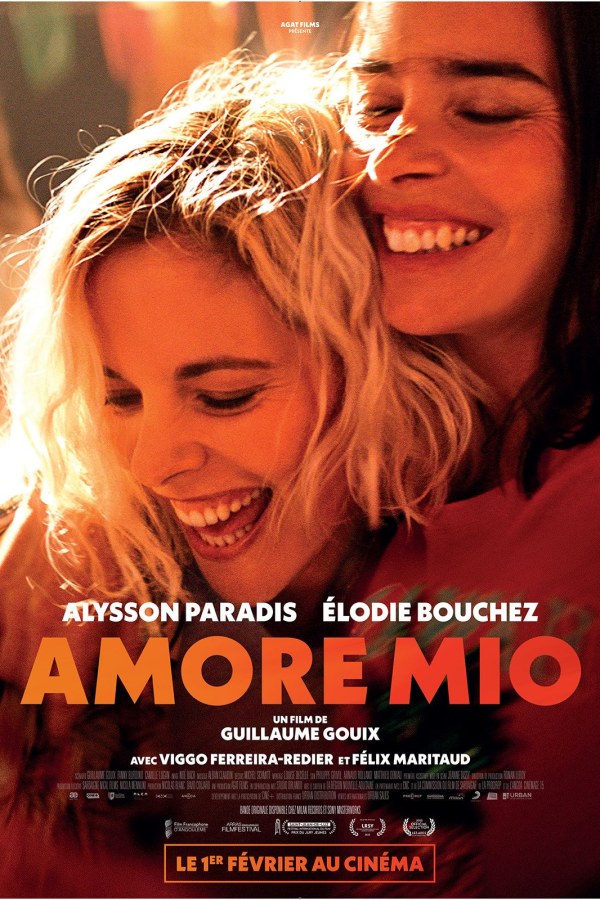
Patriarchal Fractures, Female Sovereignty, and the Somatic Cost of Autonomy
1. Narrative Matrix: The Demolition of the Domestic Fortress
In her directorial debut, the legendary icon of Italian cinema, Stefania Sandrelli, delivers an uncompromising, deeply intimate deconstruction of the traditional Italian family myth. Amore mio refuses to operate as a cheap, televised melodrama; instead, the narrative of female emancipation, escape from suffocating societal expectations, and the redefinition of desire is formatted as a slow, psychological demolition. Sandrelli maps out the reality that escaping the patriarchal vice does not happen through grand, cinematic manifestos—it is a painful, organic process of severing toxic entanglements where love, duty, and immense guilt constantly wage war against one another.
2. Visual & Atmospheric Syntax: The Cluttered Interior vs. The Open Void
The film’s visual grammar deploys powerful structural contrasts that align perfectly with the core analytical ethos of QueerFilmHub:
Domestic Claustrophobia: The first half of the film is dominated by tight, suffocating, prop-heavy domestic spaces. The camera tracks close to the protagonists, capturing the heavy density of familial obligations and the high-friction subtext hanging in the air. The home is never a sanctuary—it is an aesthetic cage.
The Austerity of Escape: The moment the narrative ruptures and the women step outside the prescribed social framework, the frames turn colder, wider, and more austere. Sandrelli rejects postcard-ready, tourist-trap Italian lighting in favor of raw realism—earthy tones, natural exposures, and a gritty, somatic closeness between women.
3. The QueerFilmHub Criterion: Subverting the Matrix
What makes Amore mio an essential text for the QueerFilmHub archive is how it expertly queers the traditional network of relationships. It achieves this not through loud, commercialized romantic tropes, but through the systematic undermining of heteronormative, patriarchal family structures. The intense emotional fluidity, radical female solidarity, and the absolute refusal to play the victim make Sandrelli’s debut a proud, autonomous, and politically sharp piece of independent cinema.