In the margins of contemporary European independent cinema, Maxim Ford operates as a singular, multifaceted artisan who treats filmmaking less as a traditional narrative industry and more as an extension of classical studio painting. A true micro-budget auteur who frequently acts as his own screenwriter, director, cinematographer, and editor, Ford has carved out a highly polarizing niche. His work exists at a volatile, experimental intersection: marrying the aesthetic compositions of late 19th-century academic art with the raw, uncompromising language of low-budget ethical eròtica and period drama.
The Signature Vision: The Camera as a Paintbrush
To watch a Maxim Ford film is to observe an artist deeply preoccupied with texture, light, and the physical form. Rather than prioritizing rapid pacing or dense, dialogue-heavy subplots, Ford’s cinema is intentionally slow, meditative, and visual—designed to replicate the experience of wandering through a classical art gallery.
His directorial signature is defined by:
The Chiaroscuro Studio Gaze: Ford is obsessed with the physical space of the artist’s atelier. He meticulously replicates the soft, directional north-light utilized by classical masters, creating high-contrast frames where shadows gently wrap around the human body.
High-Speed Technical Play: Despite working with limited financial resources, Ford leans heavily into formal experimentation. He frequently employs high-speed camera work and time-lapse cinematography to isolate the microscopic movements of paint mixing, fabric draping, and natural light shifting across a room.
The Intersection of Liberation and Form: Ford consistently centers his narratives on characters attempting to escape rigid, punitive, or patriarchal societal structures through physical and creative expression, framing the act of shedding clothing less as a provocation and more as a radical reclamation of identity.
The Definitive Experiment: Picture of Beauty (2017)
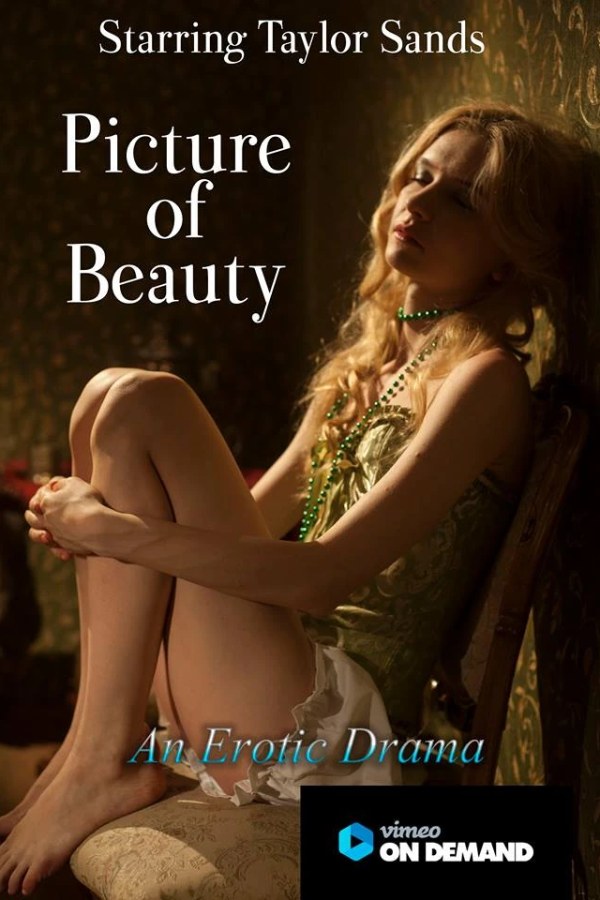
Ford’s most distinctive and heavily debated contribution to independent cinema arrived with Picture of Beauty. The compact, 70-minute historical drama serves as the perfect blueprint for his polarizing creative philosophy. Set in a morally conservative past, the film follows a progressive political activist and a vulnerable young woman who find sanctuary from systemic oppression by posing for a quiet art forger.
The film perfectly encapsulates the duality of Ford's directorial style:
Visual Triumph: Visually, the film is a gorgeous, atmospheric triumph. Ford draws explicit stylistic cues from academic masters like William-Adolphe Bouguereau, matching the painterly compositions with an evocative, rhythmic European folk score.
Structural Friction: Narratively, however, the film highlights Ford's limitations as a traditional storyteller. By casting open-minded, independent international performers to ensure authentic physical chemistry, but forcing them to deliver a stiff, underdeveloped English-language script, the film creates a jarring tonal rift between its wooden dialogue scenes and its deeply tender, wordless artistic sequences.
An Enduring Legacy
What makes Maxim Ford a fascinating figure in modern independent film is his absolute commitment to his specific visual niche, regardless of mainstream critical conventions. He rejects the polished, safe aesthetics of commercial period dramas in favor of a raw, handmade, and deeply personal approach to low-budget filmmaking. By stubbornly refusing to separate the high-concept beauty of classical art history from the intimate reality of the human body, Ford remains an intriguing, fiercely independent outsider—an artist continually testing how far visual texture can carry a cinematic story.