Hyper-Stylized Satire, Camp Agitprop, and the Demolition of Heteronormative Aesthetics
1. Introduction: The High-Camp Saboteur of the Studio Matrix
Jamie Babbit stands as one of the most structurally vital, aesthetically defiant, and culturally indelible forces within modern American independent cinema and prestige television. Emerging at the tail end of the New Queer Cinema movement, Babbit weaponized a directorial tool that many of her gritty, minimalist peers avoided: the weaponization of pop-commercial gloss. Instead of working within the dark, low-fi aesthetics of traditional underground film, Babbit performs a tactical hijack of mainstream cinematic languages. She utilizes candy-colored, high-camp maximalism as a Trojan horse to infiltrate, dissect, and violently dismantle the heteronormative, puritanical structures of American society.
2. Formal Signature: Chromatic Coding and Satirical Weaponry
Babbit’s directorial methodology is governed by a rigorous visual system that treats production design, color coordination, and comedic timing not as empty entertainment, but as aggressive semiotic warfare.
The Saturated Panopticon: In her legendary masterwork But I'm a Cheerleader (1999), Babbit constructs a flawless visual metaphor for gender conditioning. By trapping her characters in a conversion therapy camp defined by a suffocating, hyper-saturated separation of pastel pinks (for women) and industrial blues (for men), she turns the frame into a critique of artificial gender binaries.
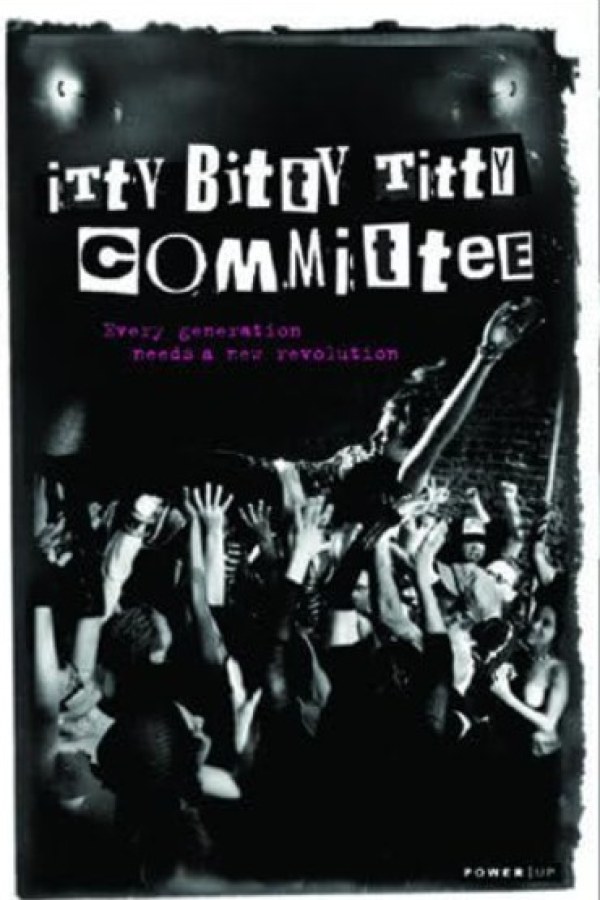
Guerrilla Kinetics: In her Riot Grrrl punk comedy Itty Bitty Titty Committee (2007), Babbit completely shifts gears, proving her stylistic elasticity. She drops the rigid, Wes Anderson-esque symmetry of her debut for a grainy, hyper-kinetic mix of 16mm textures and collage-like montages. This formal execution directly mirrors the radical, anti-corporate street art of her protagonists, documenting female and queer alliance with raw, unpolished, and celebratory joy.
3. Deconstructing the Matrix of Institutional Correction
What positions Jamie Babbit as an elite subject for the QueerFilmHub historical archive is her deep analysis of institutional violence. Whether she is tackling the psychological torture of conversion camps (Cheerleader), the suffocating isolation of small-town gaslighting (The Quiet, 2005), or the alienating commodification of the female body (Itty Bitty Titty Committee), Babbit refuses to treat these systems with passive liberal sentimentality. Her characters do not ask for a seat at the patriarchal table; they set the table on fire. Her cinema constructs a sovereign, vibrant sanctuary where marginalized individuals are allowed to find collective strength, reclaim their bodies, and love unconditionally without seeking validation from the status quo.
4. Conclusion: The Sovereign Legacy of Radical Joy
Jamie Babbit remains an indispensable blueprint for creative endurance and structural resistance. Her expanding filmography stands as a living testament to the fact that cinematic subversion does not require a filmmaker to abandon beautiful aesthetics or commercial appeal—it simply requires the tactical bravery to turn those exact elements against the machine. She remains a permanent reminder to contemporary auteurs that the ultimate act of modern rebellion is not just to scream in the dark, but to build a world so bright, so queer, and so undeniably free that the old world has no choice but to crumble in its shadow.