Biological Hyper-Realism, The Gastronomic Gaze, and the Cruelty of Cinematic Durability
1. Introduction: The Tyrant of the Unvarnished Flesh
Abdellatif Kechiche stands as one of the most polarizing, fiercely debated, and aesthetically uncompromising auteurs of contemporary European cinema. Born in Tunis and shifting the paradigms of French realism, Kechiche has built a filmography that functions as an exhaustive, often agonizing biopsy of human vitality. He rejects the neat packaging of conventional drama. Instead, his camera aggressively pursues a form of biological absolute truth. Whether documenting the working-class struggles in The Secret of the Grain (La Graine et le Mulet, 2007) or the explosive choreography of youthful desire in Mektoub, My Love (2017), Kechiche positions the human body as a battlefield where class stratification, animalistic instincts, and systemic erasure collide.
2. Formal Signature: The Gastronomic Gaze and Obsessive Durability
Kechiche’s directorial methodology is defined by an almost predatory reliance on time and physical exhaustion. He is notorious for shooting hundreds of takes for a single scene, intentionally draining his actors of their psychological and performance conditioning until only raw, involuntary somatic reactions remain.
The Invasive Close-Up: Kechiche’s lens works in extreme proximity to the flesh. He completely discards traditional cinematic distance, locking the audience into a permanent confrontation with sweat, saliva, tears, and the messy mechanics of eating and talking. This gastronomic gaze treats food and physical consumption as parallel metaphors for sexual and social hunger.
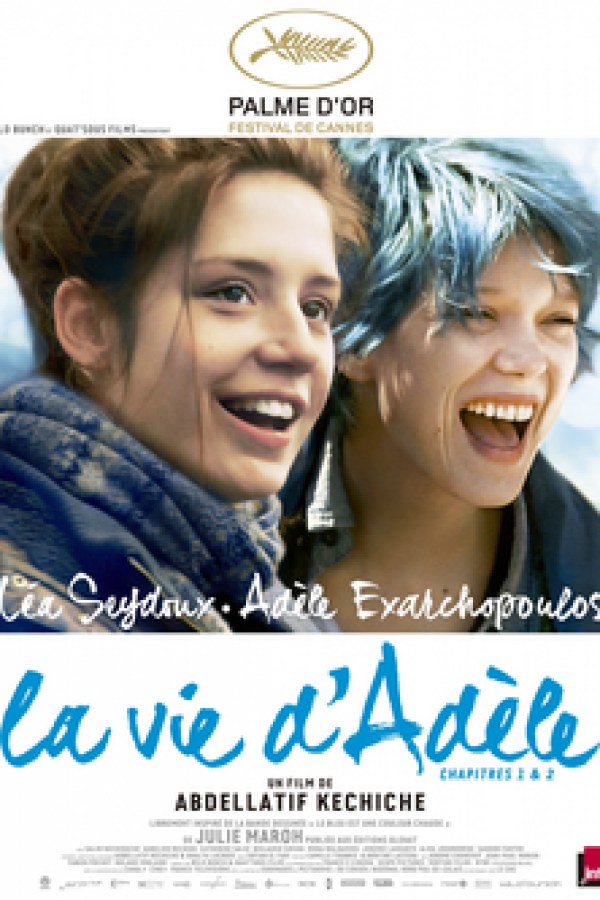
Blue Is the Warmest Color (2013): His Palme d'Or-winning masterpiece remains the definitive monument to his method. The film tracks a lesbian relationship with such grueling, uncompressed durability that the boundaries between fiction and real physical labor completely dissolve. Kechiche captures the ecstasy of initiation and the slow, agonizing decay of romantic illusion with total biological fidelity.
. Deconstructing the Matrix: The Ethics of the Gaze
What forces Abdellatif Kechiche into the core critical discourse of QueerFilmHub is the heavy, structural tension surrounding his visual gaze. His works—specifically his explicit depictions of queer intimacy—exist on a razor's edge between revolutionary visibility and patriarchal objectification (the male gaze). Kechiche documents the lesbian body with a staggering intensity that can feel liberating in its rejection of sanitized, polite mainstream filters, yet deeply invasive in its relentless voyeurism. By exploring the severe controversies and structural exploitation alleged on his sets, his profile serves as a vital case study for modern independent cinema: a reminder that the pursuit of raw cinematic truth often exacts a devastating human cost.
4. Conclusion: The Heavy Archive of Human Volatility
Abdellatif Kechiche remains an unavoidable, towering monolith of high-concept independent filmmaking. His radical aesthetic system proves that true cinematic power does not lie in polished scripts or clear moral structures, but in the uncompressed, volatile capture of life itself. His filmography stands as an indispensable archive of the beautiful, exhausting, and ultimately cruel reality of human passion—proving that on screen, the ultimate rebellion is to force the audience to look at the unvarnished truth of the flesh until it hurts.