Claudio Giovannesi is a celebrated Italian film director, screenwriter, and musician whose cinema stands at the forefront of modern European neo-realism. Renowned for his intimate, empathetic character studies, Giovannesi explores the turbulence of youth, systemic marginalization, and the delicate line between innocence and crime in contemporary urban peripheries.
🎨 Visual Style & Core Themes
Contemporary Neo-Realism & Naturalism: Giovannesi’s directorial signature relies on handheld camera work, authentic location shooting, and working with non-professional or young actors, imbuing his narratives with raw, documentary-like credibility.
Youth, Vulnerability & Systemic Constraints: His storytelling focuses on young protagonists navigating the harsh realities of economic hardship, institutional neglect, and juvenile detention, capturing their longing for love and dignity.
Complex Identity & Cultural Intersection: Giovannesi frequently examines the lives of second-generation immigrants and marginalized youths in Italy, highlighting the quiet friction between personal desire and societal expectations.
Sensory Pacing & Musical Sensitivity: As a musician himself, Giovannesi integrates delicate, rhythmically precise soundscapes that elevate the internal emotional states of his characters without melodrama.
🌟 Key Works in Giovannesi’s Filmography
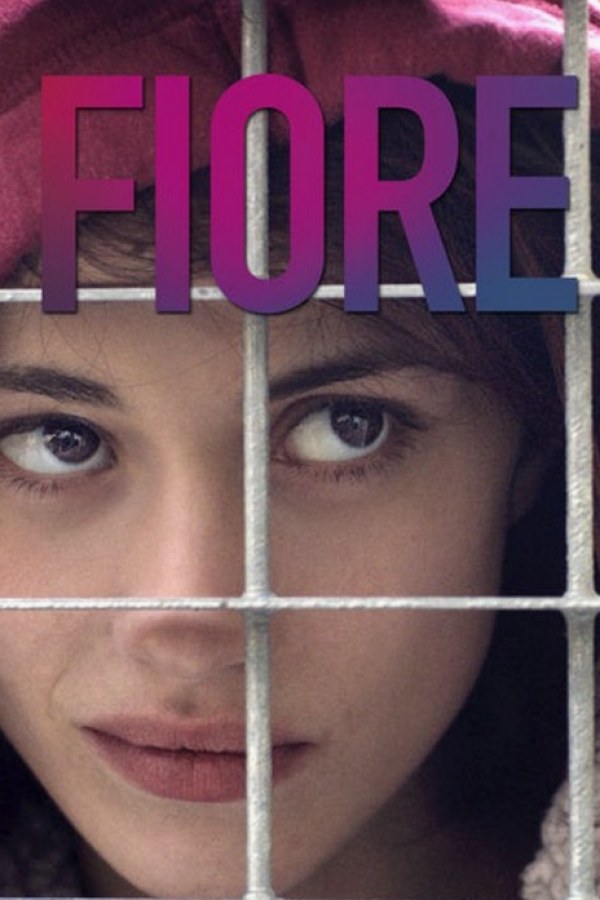
Fiore (2016) – A tender, deeply moving romance set inside a juvenile prison, following two young inmates who fall in love through secret notes and distant glances despite strict segregation.
Piranhas (La paranza dei bambini, 2019) – Co-written with Roberto Saviano, this gripping crime drama about a gang of Neapolitan teenagers seduced by power and money won the Silver Bear for Best Screenplay at the Berlin International Film Festival.
Hey Joe (2024) – A poignant drama starring James Franco, exploring themes of fatherhood, guilt, and emotional redemption in post-war Naples.
💬 QueerFilmHub Perspective
“Claudio Giovannesi is an empathetic chronicler of youth on the edge—an auteur who captures the fragile tenderness, moral complexity, and fierce yearning for freedom in a rigid world.”