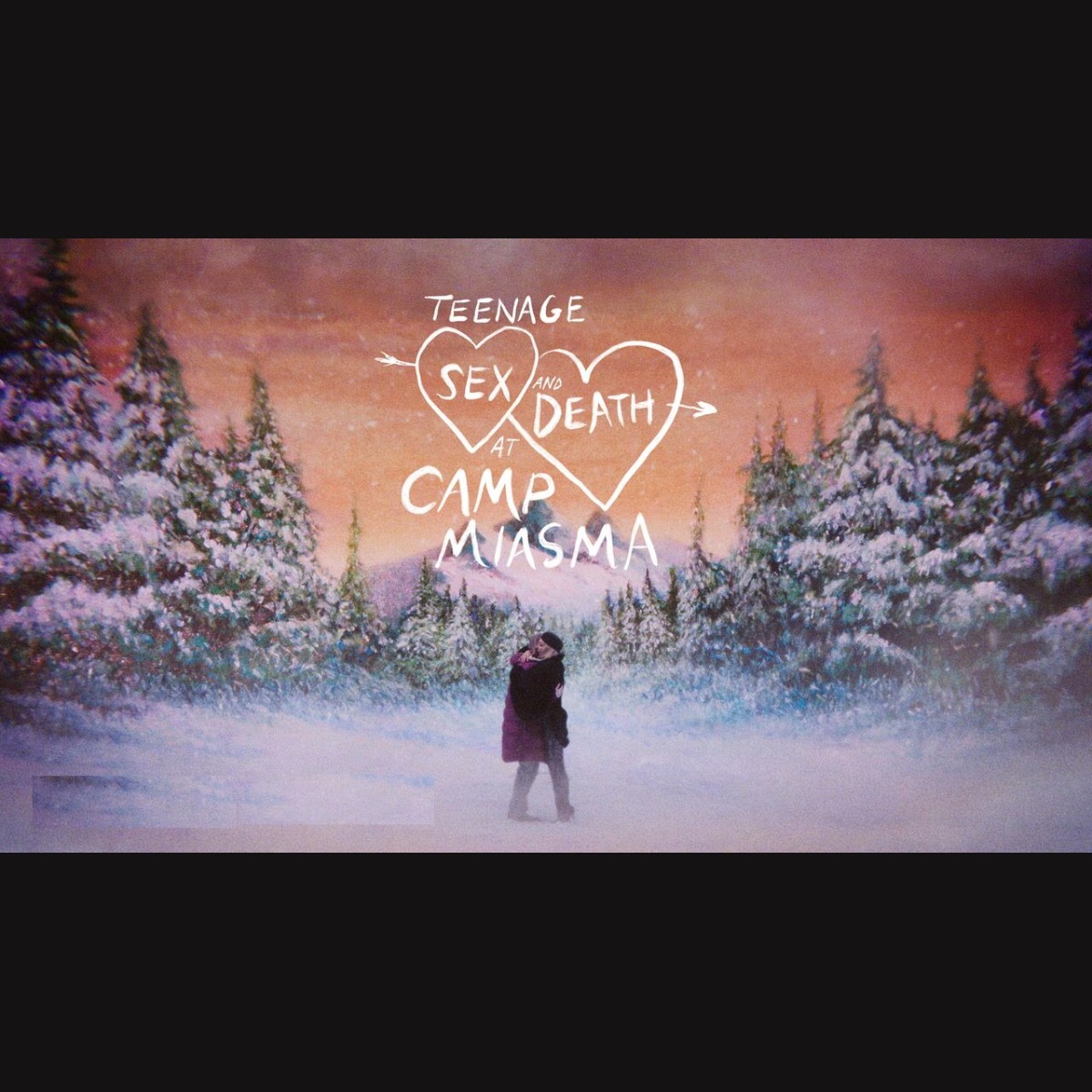
Jane Schoenbrun’s third feature film (I Saw the TV Glow, We’re All Going to the World’s Fair) was awarded the Queer Palm at the Cannes Film Festival. "Teenage Sex and Death at Camp Miasma" is less a conventional horror film and more a darkly funny, sensual deconstruction of the slasher genre—and a deeply queer tale about discovering desire.
Plot: Resuscitating a Dead FranchiseKris (Hannah Einbinder, known from Hacks) is an ambitious young indie director tasked with helming a reboot of Camp Miasma, an iconic 1980s slasher franchise. Over the years, the series centered around the killer known as Little Death (Jack Haven) devolved into cheap schlock—complete with an obligatory "sequel in space"—and was plagued by accusations of transphobic and exploitative origins.
Seeking to recapture the spirit of the original and breathe new life into it, Kris travels to a secluded estate in Washington State. Living there in isolation is Billy Presley (Gillian Anderson)—the star of the first installment and a legendary "Final Girl" who withdrew from the public eye decades ago. What begins as a professional meeting between a pragmatic director and an unpredictable, magnetically erotic actress quickly turns into a psychosexual game where the boundaries between cinematic fiction and reality blur.
Dark Elegy and Campy SatireSchoenbrun makes no secret of their influences. Teenage Sex and Death at Camp Miasma feels like a marriage of Sunset Boulevard with classics like Friday the 13th, A Nightmare on Elm Street, and David Cronenberg’s body horror. However, the director resists taking an overly academic or puritanical approach to B-movie cinema.
Rather than moralizing over the past, the film reminds us that horror has always been intimately connected to physicality, fear, and eroticism—after all, the killer's French moniker (la petite mort) directly references the idiom for an orgasm.
An Outstanding Acting DuoThe film’s greatest strength lies in its lead performances. Gillian Anderson as Billy is simultaneously magnetic, terrifying, and tongue-in-cheek—creating a character who has fully embraced her desires and dark past. Meanwhile, Hannah Einbinder brilliantly captures the neuroses of a modern creator trying to intellectualize what ultimately comes down to primal emotion and body chemistry.
With Eric Yue’s lush 35mm visuals and Alex G’s haunting score, the movie—despite being drenched in gallons of fake blood—unfolds like a dreamlike, candy-colored, and deeply sensual masterpiece.
VerdictTeenage Sex and Death at Camp Miasma is essential viewing for fans of queer cinema and horror enthusiasts alike. Jane Schoenbrun has crafted a bold, funny, and tender tribute to the slasher subgenre, proving that beneath the blood and absurdity lies a moving story about freedom, body autonomy, and self-discovery.
QueerFilmHub Rating: ★★★★★ (5/5)https://queerfilmhub.com/film.php?slug=teenage-sex-and-death-at-camp-miasma
Reviews
Slasher as Desire: Review of Jane Schoenbrun’s "Teenage Sex and Death at Camp Miasma"
Jane Schoenbrun’s third feature film (I Saw the TV Glow, We’re All Going to the World’s Fair) was awarded the Queer Palm at the Cannes Film Festival.