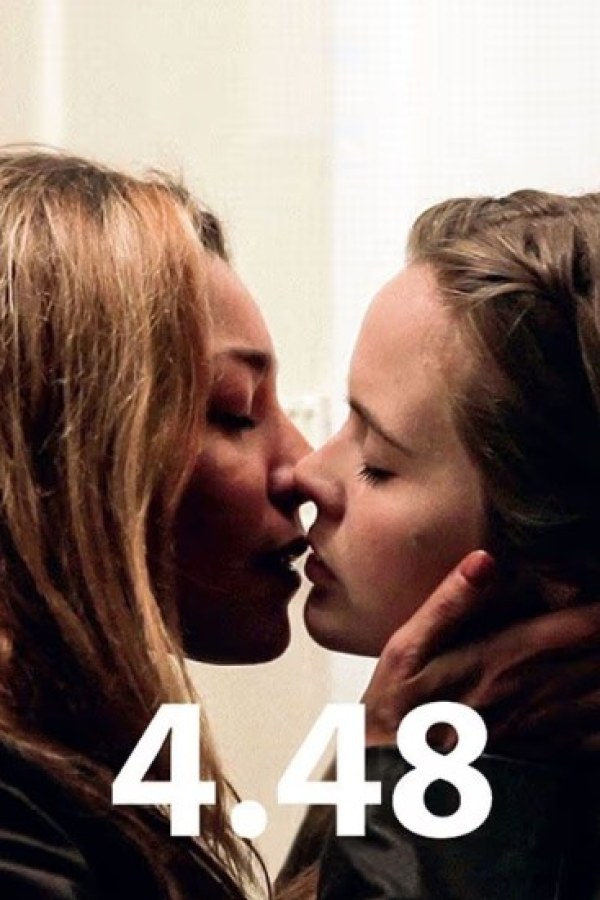
The film centers on a young actress (played by the deeply intense David D’Ingéo) who is preparing to play the lead role in a theatrical production based on Sarah Kane’s final work. However, the boundary between her real life and the psychological weight of the stage play quickly begins to erode.
The title's time, 4:48 AM, represents the recurring hour of dawn where—according to the text—the mind of someone suffering from severe clinical depression achieves a state of absolute, painful clarity. As the actress attempts to fully embody and feel the character's profound angst, she loses her grip on reality, sliding into her own dark vortex of existential dread, self-destruction, and mental paralysis.
🎭 The Good: Raw, Unfiltered Emotional Power
David D’Ingéo’s Haunting Performance: The entire film rests squarely on the shoulders of its lead actress. Her transformation is staggering. D’Ingéo doesn’t just act depressed; she breathes it onto the screen. Her vacant stares, erratic body language, and the delivery of her poetic monologues evoke genuine, deeply uncomfortable anxiety.
Faithful to Sarah Kane’s Spirit: Jacky Katu manages to beautifully capture the specific lyricism and visceral brutality of the source material. The movie doesn't shy away from terrifyingly taboo themes: the physical pain of psychological suffering, the total inability to connect with the outside world, and the overwhelming desire for oblivion. It is delivered entirely raw, with zero Hollywood sugarcoating.
Atmospheric Cinematography: Visually, the film feels like a fever dream or a slow-moving nightmare. The claustrophobic framing, heavy reliance on shadows, and disjointed, hypnotic editing perfectly mirror the chaotic architecture of the protagonist's mind.
⚠️ The Bad: Why It Is an Extremely Challenging Watch
Lack of a Traditional Narrative: If you are expecting a conventional plot with a clear beginning, middle, and a dramatic third-act twist, this film will alienate you. "4:48" is a cinematic poem—a collection of emotional states and heavy monologues rather than a cohesive story.
An Overwhelmingly Toxic, Suffocating Tone: The film is unremittingly dark and bleak. Throughout its 82-minute runtime, there is not a single moment of levity, relief, or hope. For many viewers, this absolute lack of breathing room will simply be too emotionally exhausting to endure.
Occasional Pretensiousness: As with many ultra-artistic French indie films, the direction sometimes edges into hyper-intellectualism and overly stylized theatricality. At times, this can create an alienation effect, distancing the viewer from actually empathizing with the character's real pain.