1. Introduction: The Literary Matrix and Transgressive Metamorphosis
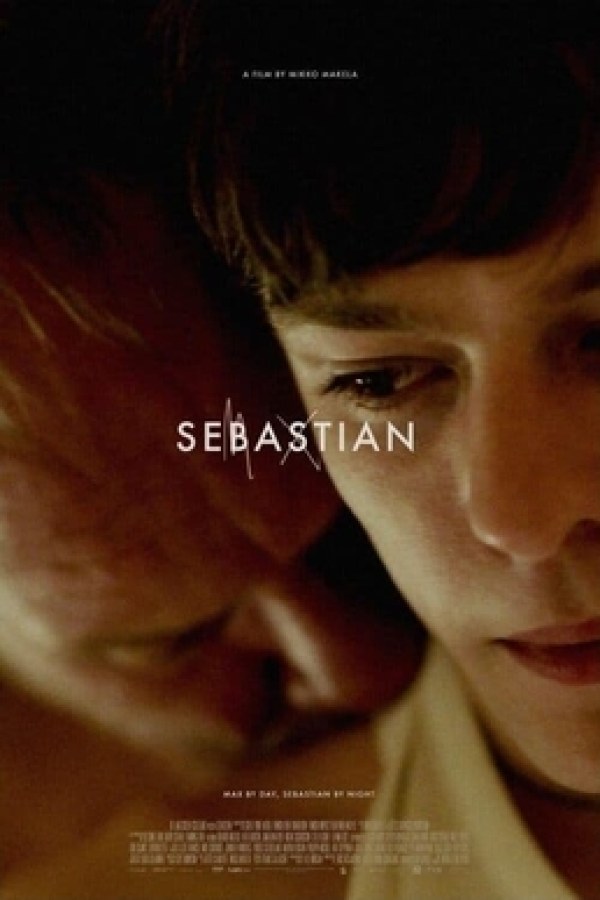
Mikko Mäkelä’s Sebastian (2024) is a fiercely contemporary, psychosexually charged, and aesthetically precise demolition of the traditional bourgeois artist narrative. Operating in the neon-soaked, class-stratified landscapes of modern London, the film documents the volatile descent of Max, a meticulous 25-year-old journalist who weaponizes his own body as research for a debut novel by moonlighting as a high-end sex worker named Sebastian. Within the QueerFilmHub conceptual framework, the text functions as an elite interrogation of somatic and artistic sovereignty, tracking the precise collapse of the boundary between calculated fiction and uncompressed, raw human desire.
2. The Visual Grammar of the Split Gaze
Mäkelä, alongside cinematographer Ione Atkins, constructs a striking visual dichotomy that mirrors Max’s splintered identity. The screen architecture transitions seamlessly between the sterile, clinical daylight of literary edit suites and the saturated, warm low-light textures of London’s private domestic encounters. Atkins’ camera utilizes shallow depth of field and intense, lingering close-ups that cling to the protagonist’s skin, charting physical vulnerability not as a site of exploitation, but as a space of self-authored agency. The frame layout becomes an active psychological ledger, documenting how the performance of "Sebastian" systematically overwrites and liberates the repressed reality of Max.
3. Dismantling the Blueprint of the Moralizing Crime/Shame Narrative
Within the global queer landscape, Sebastian stands out for its absolute refusal to yield to industrialized, sanitized tropes of shame, victimization, or programmatic punishment regarding sex work. Mäkelä fiercely historicizes the contemporary economic and psychological realities of Gen Z creative labor without offering cheap, bourgeois moral lessons. Max’s double life is treated neither as a tragic downfall nor a clinical addiction, but as a complex, multi-layered vehicle for creative and sexual self-authorship. The film asserts that true narrative authority is seized only when the camera honors a character's right to seek transgression, explore power dynamics, and remain unapologetically messy.
4. Conclusion: The Permanent Archive of Unfiltered Self-AuthorshipSebastian (2024) remains an undefeated, provocative blueprint for modern independent queer cinema that refuses to compromise its thematic grit for corporate platform accessibility. By embedding a radical critique of artistic consumption within the visceral, lived reality of the body, Mäkelä ensures his film operates as a sovereign declaration of independence against cultural censorship. Through rigorous critical evaluation and digital preservation, this bold work slices through mainstream static, asserting that the body remains the ultimate canvas for both art and truth.