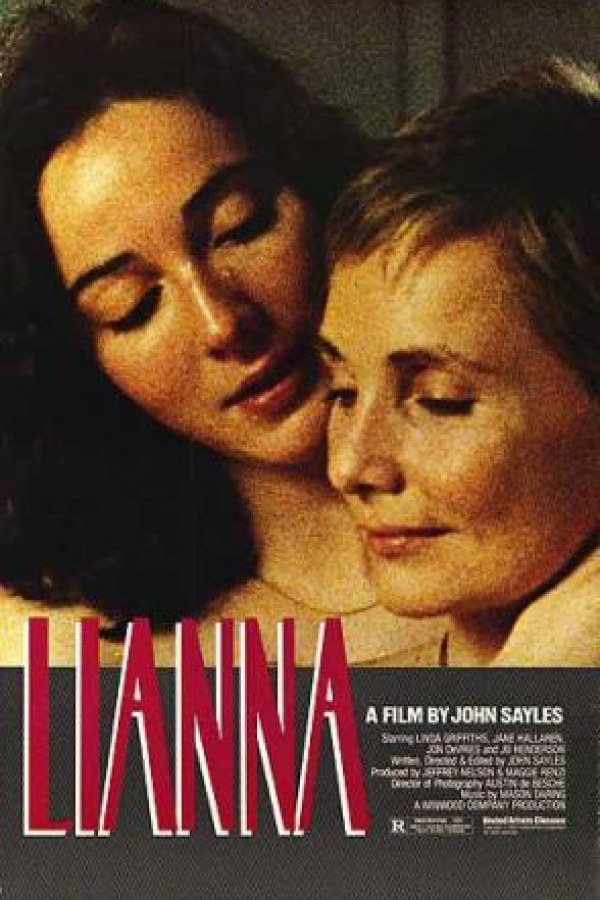
1. The Hook & The Vibe: The Quiet Revolution of Everyday Liberation 🏡⚡
Written and directed by the iconic champion of American independent cinema, John Sayles, Lianna (1983) is a groundbreaking, deeply empathetic, and historically monumental masterpiece. Operating completely outside the rigid, patriarchal constraints of 1980s mainstream Hollywood, the film stands as one of the earliest cinematic works to treat a woman’s mid-life lesbian awakening with absolute intellectual and emotional dignity.
The narrative centers on Lianna, a quiet, intelligent faculty wife and mother trapped in an unfulfilling, patronizing marriage to an arrogant film professor. Her predictable, suburban reality undergoes a radical seismic shift when she develops an intense romantic and physical connection with Ruth, her evening class teacher. Rather than framing this as a sensationalized scandal, Sayles crafts a brutally honest, slow-burn exploration of a woman choosing to dismantle her entire social safety net in order to claim her true identity.
2. The Slate: Suburban Realism and the Geometry of New Spaces 🎞️📐
The Unvarnished Lens: The film utilizes a minimalist, documentary-style aesthetic typical of early 80s American indie cinema. Sayles rejects glossy, cinematic melodrama in favor of natural lighting, muted autumn colors, and authentic, lived-in university town environments. The framing deliberately highlights the cramped claustrophobia of Lianna's marital home versus the open, vulnerable spaces of her new, independent life.
The Rhythm of Truth: The pacing is beautifully conversational and deeply grounded in everyday realism. Sayles allows arguments to be messy, awkward, and unresolved, reflecting the genuine friction of social displacement. The soundtrack is stripped back to its bare essentials, forcing the audience to sit with the weight of the characters' spoken words and the heavy, quiet bravery of personal transition.
3. Beyond the Screen: Claiming the Ultimate Right to Self-Determination 🧠🏳️🌈
What makes Lianna a crucial, foundational masterclass for the QueerFilmHub archive is its revolutionary approach to narrative sovereignty. In 1983, John Sayles achieved what most mainstream directors still struggle with: he entirely decolonized the male, voyeuristic gaze. Lianna’s sexuality is never hyper-sexualized, nor is she punished by the narrative with the classic "tragic queer" ending.
Instead, the film brilliantly positions her awakening not as a mere sexual preference, but as a total reclaim of personal autonomy. Lianna’s journey is about a human being learning to speak in her own voice after years of being an ornament in someone else’s script. By centering on the immense courage required to face loneliness, societal rejection, and parental friction for the sake of authentic existence, Lianna remains a towering testament to the sovereign right of self-actualization.
The QueerFilmHub Verdict:
👑 Lianna (1983) 👑 is a timeless, brilliantly acted, and emotionally courageous triumph of independent storytelling. By handling the complexities of queer liberation with surgical realism and immense human respect, John Sayles delivered a blueprint for sovereign queer cinema that remains as vital today as it was over four decades ago. Our Rating: 8.5/10 🚀🇺🇸🪞🎬👑