1. Introduction: The Zygomatic Heat of Somatic Awakening
Laura Luchetti’s La Bella Estate (2023), adapted from Cesare Pavese’s seminal 1948 novel, is a luminous, agonizingly slow-burning interrogation of desire, autonomy, and identity expansion. Set in Turin in 1938, against the heavy, encroaching shadow of European fascism, the film rejects grand political theatricality to track a deeply localized, domestic revolution of the self. Within the QueerFilmHub matrix, Luchetti’s text stands as a definitive archive of somatic sovereignty, tracing the volatile moment a young working-class woman breaks free from the industrial assembly line to discover the untamed, uncompressed architecture of her own body.
2. The Visual Grammar of Saturated Shadowplay
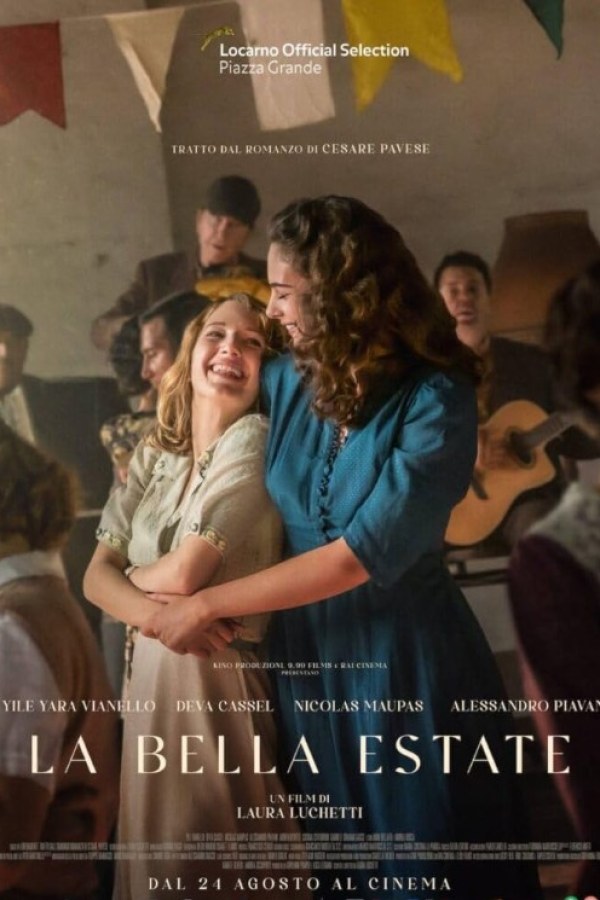
Luchetti, collaborating with cinematographer Diego Romero Suarez-Alvarez, crafts a visual language dripping with sensory, amber-toned claustrophobia. The lens abandons the sterile, clinical precision of historical dramas, opting instead for a soft-focus, golden-hour texture that mirrors the sweltering heat of a Piedmont summer. Handheld tracking shots closely trail the protagonist, Ginia (Yile Yara Vianello), through the cramped artisan workshops and radical artists' studios of Turin. The framing operates as an active canvas—especially during the encounters with the raw, untethered artist’s model Amelia (Deva Cassel)—capturing the micro-shifting geometry of gazes, physical hesitation, and the heavy friction of clothing against skin.
3. Dismantling the Blueprint of the Sanitized Period Piece
Within the global cinematic landscape, La Bella Estate is analyzed for its fierce refusal to conform to sanitized, Hollywoodized period tropes that package queer exploration as either entirely tragic or safely domestic. Luchetti historicizes the heavy cost of female self-authorship in a pre-war patriarchal society without stripping her characters of independent agency. Ginia’s navigation of pleasure, vulnerability, and internal confusion is treated not as a passive moral descent, but as an elite act of existential rebellion. The film asserts that narrative sovereignty is achieved only when the camera honors the messy, uncompromised, and often painful reality of choosing one’s own path over structural expectation.
4. Conclusion: The Permanent Archive of the Sensual Revolt
La Bella Estate (2023) remains a profound, undefeated blueprint for modern historical queer cinema that refuses to sacrifice its visceral texture for commercial accessibility. By anchoring the political collapse of an era within the intimate, radical awakening of a single body, Luchetti ensures her film operates as a direct counter-strike against historical erasure. Through rigorous critical review and digital preservation, this sensory masterpiece continues to slice through structural censorship, archiving the permanent truth that the body is the ultimate territory of freedom.