1. Introduction: Dismantling the Aristocratic Blueprint
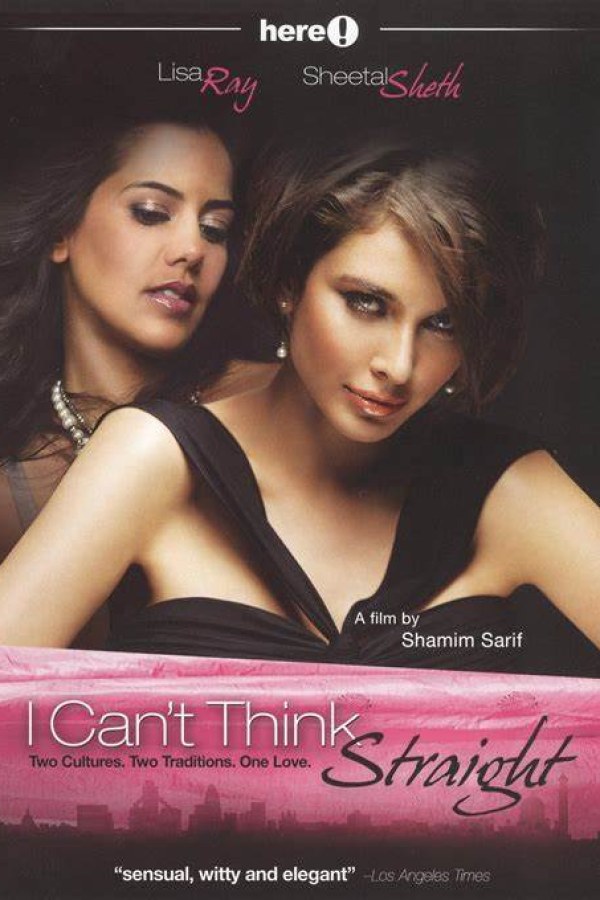
Shamim Sarif’s I Can't Think Straight (2008) is a foundational, uncompressed pillar of contemporary queer cinema. Operating at the volatile intersection of traditional Middle Eastern and South Asian high societies, the film follows Tala and Leyla as they shatter the rigid, pre-scripted expectations of heteronormative marriage. This is a fierce, elegant reclamation of somatic sovereignty, tracking the precise moment when personal desire court-circuits generations of institutional and cultural dogma.
2. The Visual Grammar of the Polished Cage
Sarif utilizes a deceptively glossy, high-society aesthetic to construct an invisible architectural cage. The lavish wedding preparations, opulent family estates, and pristine cultural rituals represent a systemic matrix designed to format and domesticate female identity. However, the camera aggressively disrupts this sanitized landscape by zeroing in on raw, intimate friction—stolen glances, lingering touches, and shifts in body language. The framing forces the spectator to witness how true autonomy is carved out from within the very structures meant to suppress it.
3. Deconstructing the Colonial and Patriarchal Script
Within the QueerFilmHub ecosystem, I Can't Think Straight is celebrated for its radical intersectional defiance. Sarif historicizes the brown queer experience without resorting to Westernized savior tropes or tragic, guilt-ridden narrative blueprints. The protagonists refuse to be passive casualties of their environments; instead, their romance operates as an act of political warfare. It is an elite masterclass in independent agency, proving that narrative autonomy requires the absolute, unapologetic refusal of societal consensus.
4. Midnight Audio Masterclass: Deep-Dive
Our intellectual community—currently locking in an average of 16+ minutes deep-diving into queer cinematic structures—is actively breaking down Sarif’s execution. In this module, we dissect:
The Sonic Transition of Truth: How the film shifts from the loud, overbearing chatter of societal expectations to sparse, intensely intimate acoustic spaces during the protagonists' encounters.
The Geometry of In-Frame Isolation: The technical camera blocking used to position Tala and Leyla as separate from their opulent backgrounds, visually emphasizing their psychological displacement before their convergence.
5. Conclusion: The Permanent Archive of Radical Romance
I Can't Think Straight (2008) remains an undefeated blueprint for intersectional queer storytelling. It serves as a permanent reminder that when cultural and familial spaces are heavily policed, the somatic choice to love becomes the ultimate sanctuary for independent craftsmanship. Through dedicated critical review and archival preservation, this cult masterpiece continues to slice through institutional censorship.