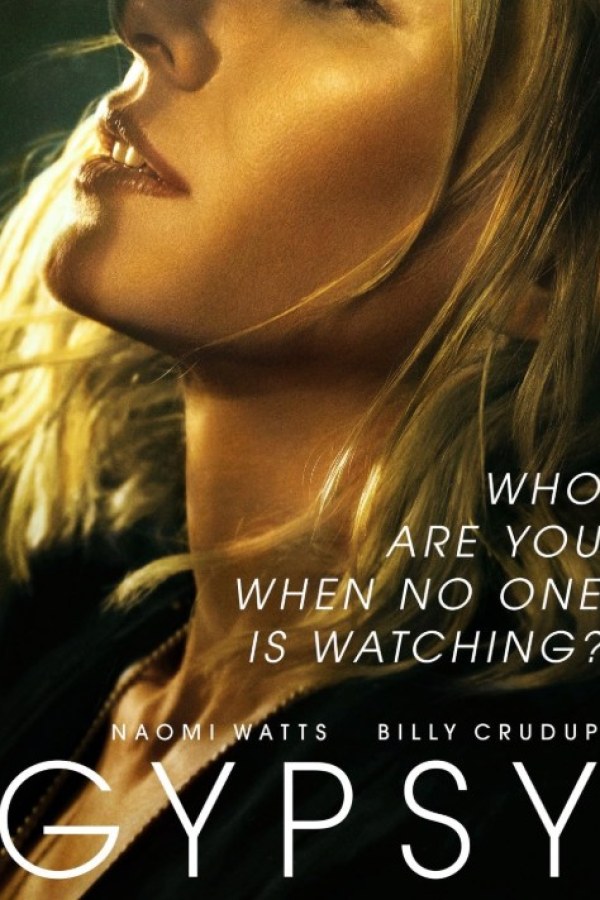
1. The Hook & The Vibe: A Sleek, Psychological Rabbit Hole 🌟
There is a profound, terrifying thrill in watching a perfectly constructed life slowly unravel from the inside out. Netflix’s psychological thriller Gypsy (2017) operates precisely in this space of high-end anxiety and quiet desperation. Helmed visually in its crucial opening chapters by director Sam Taylor-Johnson (Nowhere Boy, Fifty Shades of Grey), the series presents itself not as a fast-paced mystery, but as a sleek, slow-burning, and deeply atmospheric study of female desire, regression, and identity theft.
The narrative centers on Jean Holloway (played with magnificent, brittle intensity by Naomi Watts), a successful Manhattan therapist who possesses all the markers of upper-middle-class heteronormative success: a handsome lawyer husband (Billy Crudup), a beautiful suburban home, and a thriving practice. However, underneath this pristine surface, Jean is suffocating. To escape her reality, she begins to secretly develop dangerous, highly unethical, and intimate relationships with the people inside her patients' lives, operating under the alias "Diane Hart."
2. The Slate: The Magnetic Friction of Naomi Watts and Sophie Cookson 🎞️
The Sapphic Catalyst: The true beating heart of Gypsy—and the element that makes it an essential text for the QueerFilmHub community—is Jean’s all-consuming obsession with Sidney Pierce (played with a dangerous, rock-and-roll charisma by Sophie Cookson). Sidney is the manipulative, free-spirited barista and musician ex-girlfriend of one of Jean’s most vulnerable patients.
The Power of the Sapphic Gaze: When Jean (as Diane) steps into Sidney’s world, the series transforms from a clinical drama into a sultry, neo-noir romance. The chemistry between Watts and Cookson is electric, built entirely on power plays, whispered secrets, and a profound mutual fascination. Unlike standard psychological thrillers that treat a woman's attraction to another woman as a cheap plot twist or a phase, Gypsy positions this sapphic desire as the definitive catalyst that forces Jean to confront the truth of her own repressed sexuality and identity.
3. Beyond the Screen: The Ethics of the Professional Closet 💬
Upon its initial release, Gypsy polarized mainstream television critics, many of whom found Jean’s reckless actions deeply frustrating or the narrative pacing too deliberate. However, when viewed through a queer, analytical lens, the series reveals immense thematic depth. It functions as a complex examination of the "professional closet" and the heavy burden of emotional compartmentalization.
As a therapist, Jean is expected to be the ultimate anchor of stability, rationality, and societal conformity. Her transformation into "Diane" is a radical, albeit self-destructive, rebellion against the rigid boxes society places women into as they age. Mullen, Taylor-Johnson, and series creator Lisa Rubin ensure that Jean’s queer awakening is messy, deeply flawed, and ethically compromised. The series bravely asks a difficult question: How far are we willing to destroy our constructed realities just to feel alive, authentic, and desired?
4. The Toolkit: Aesthetics & Atmosphere 🛠️
Genre: Psychological Thriller / Neo-Noir / Sapphic Drama
Format: 10-episode Miniserial (functions structurally as an extended cinematic feature)
Where to Stream: Available globally as an original production on Netflix.
Recommended For: Fans of slow-burning, character-driven psychological dramas (like Chloe or Notes on a Scandal), viewers who appreciate high-end cinematography, and anyone looking for a complex, non-sanitized exploration of female bisexuality and obsession.
The QueerFilmHub Verdict:
Gypsy is a hypnotic, deeply misunderstood piece of television that deserves a prominent place in the archive of modern queer media. While its narrative pacing demands patience, it rewards the viewer with a lush, intoxicating atmosphere and a deeply complex portrayal of a woman drowning in her own desires. It stands as a powerful reminder that the path to self-discovery is rarely neat, polite, or safe. Our Rating: 7.8/10 🚀🌈☕