1. Introduction: The Micro-Spatial Pressure Cooker of Queer Youth
Ricard Carl’s Flunk: The Sleepover (2021) is a devastatingly intimate, hyper-localized examination of queer vulnerability, navigating the turbulent waters of teenage identity and unspoken trauma. Operating as a standalone feature expansion of the critically acclaimed Australian web series, the film restricts its narrative architecture primarily to a single night and a single domestic space. Within the QueerFilmHub framework, The Sleepover stands as an essential exploration of emotional and spatial sovereignty, archiving the volatile, uncompressed friction that occurs when defensive psychological masks are stripped away in the dark.
2. The Visual Grammar of the Melancholic Close-Up
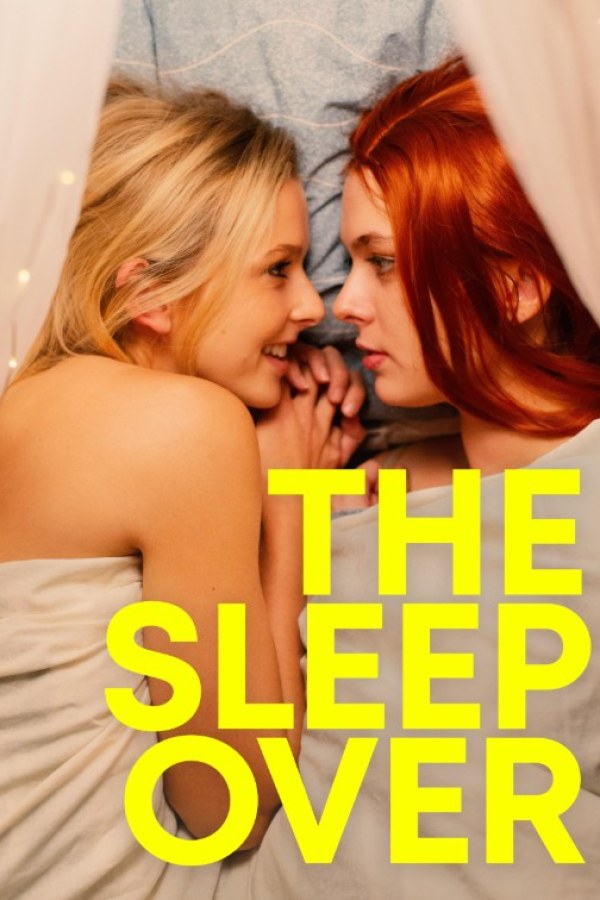
Carl, alongside a raw and deeply locked-in ensemble cast led by Madelyn Sheahan (Ruby) and Georgia Crisp (Dani), establishes a visual language driven by claustrophobic proximity. The lens rejects glossy, over-engineered coming-of-age aesthetics, opting instead for muted tonal palettes, soft domestic low-light, and lingering, handheld close-ups. The framing operates as a psychological mirror; by capturing the micro-expressions, hesitant physical gestures, and heavy silences between the characters, the cinematography transforms a simple bedroom into a high-stakes emotional pressure cooker where any shift in distance feels monumental.
3. Dismantling the Blueprint of the Sanitized Coming-of-Age
Within the global queer cinematic landscape, Flunk: The Sleepover breaks away from industrialized, sanitized Hollywood tropes that demand neat, algorithmic resolutions or tragic trauma-porn tropes. The text fiercely historicizes the messy, painful, and often contradictory realities of navigating fluid sexuality, internalized shame, and interpersonal betrayal without offering cheap catharsis. It is an elite exercise in regional independent agency, demonstrating that the most profound cinematic revolutions do not require massive spatial scale—they require the uncompromised courage to capture human imperfection coexisting with raw desire.
4. Conclusion: The Permanent Archive of Unfiltered Vulnerability
Flunk: The Sleepover (2021) remains a poignant, undefeated blueprint for modern independent queer cinema that prioritizes emotional integrity over commercial accessibility. By refusing to soften the volatile psychological edges of its protagonists, the film ensures its place in the permanent archive of authentic, uncompromised storytelling. It stands as a powerful reminder that when the outside world demands conformity, the struggle for self-authored truth is fought in the closest, most private spaces we inhabit.