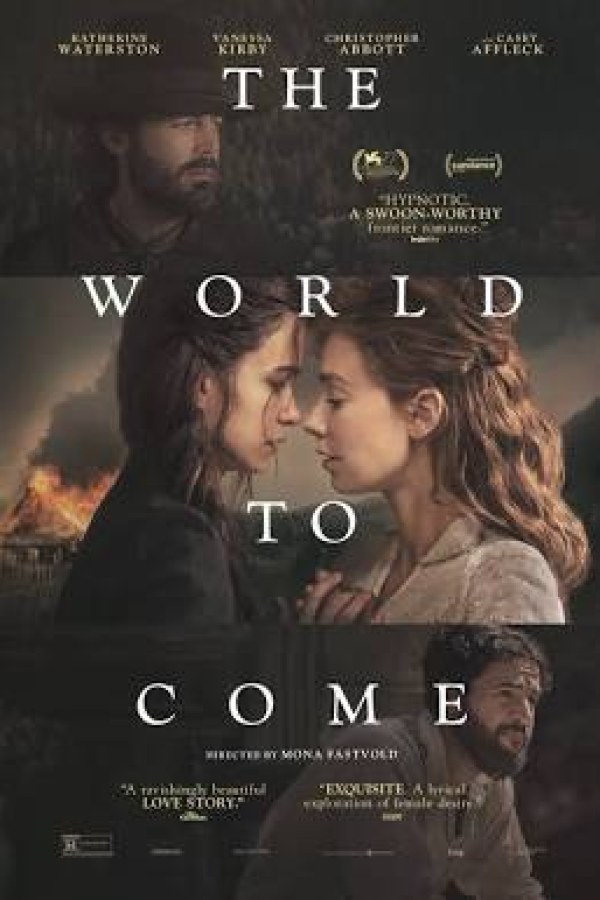
THE TACTILE GEOGRAPHY OF DESIRE: Why The World to Come is a Masterclass in Environmental Intimacy
While the landscape of modern queer cinema has frequently embraced the sun-drenched, conversational rhythms of contemporary romance, director Mona Fastvold’s 2020 period drama The World to Come takes a radically different, fiercely elemental approach. Operating in the isolated, unforgiving frontier of 1850s upstate New York, this sweeping, literary romance scales down the vast American wilderness into an intimate, claustrophobic psychological landscape.
Fastvold delivers a profound masterclass in independent visual storytelling, utilizing naturalistic pacing and tactile environmental textures to craft one of the most vital, poetic historical features of the decade.
The Narrative: Two Orbits Colliding in the Frozen Frontier
The film unfolds through the rhythmic, interior voice of Abigail (played with a staggering, brittle restraint by Katherine Waterston). Trapped in a bleak, emotionally frozen marriage to a grieving farmer, Dyer (Casey Affleck), following the tragic death of their young daughter, Abigail’s daily existence is an endless loop of low-wage agricultural labor and domestic isolation. Rather than focusing on grand melodramatic spectacles, Fastvold anchors the entire narrative engine within the quiet, transformative awakening that occurs when a new couple rents a neighboring farm.
The cast anchors this severe domestic landscape:
Tallie (brought to life with a radiant, fiercely magnetic confidence by Vanessa Kirby) arrives like a sudden meteorological shift. Unapologetic, vibrant, and trapped in her own controlling marriage to the deeply insecure Finney (Christopher Abbott), she possesses a radical capacity for emotional transparency that immediately fractures Abigail’s quiet resignation.
The Shared Sanctuary: As the harsh, brutal winter transitions into a brief, humid spring, the two women forge an intense, intellectually charged bond that rapidly evolves into a passionate, consuming romance. Their stolen afternoons inside smoke-filled kitchens and dense, moss-covered woods become a protective sanctuary against the systemic ownership exerted by their husbands.
Aesthetics and Direction: Textual Isolation and Sensory Brilliance
What distinguishes The World to Come as a supreme piece of cinematic art is Fastvold’s exquisite directional control. Working from a brilliant, literary screenplay by Ron Hansen and Jim Shepard, she avoids the polished, sterile look of mainstream period pieces, leaning heavily into an earthy, sensory realism.
The production values showcase immense independent maturity:
Luminous, Tactile Cinematography: Shot on gorgeous 16mm film by cinematographer André Chemetoff, the visual language relies on rich, grainy textures, warm candlelight, and lingering tracking shots. The camera treats the mud, the biting wind, and the physical environments as living characters that directly dictate the emotional gravity of the frames.
A Hauntingly Modern Score: The narrative is accompanied by a striking, woodwind-heavy score by Daniel Blumberg. By utilizing dissonant, avant-garde arrangements instead of swelling, traditional orchestral strings, the music accentuates the psychological friction and wild, untamed nature of the characters' desires.
The Power of the Written Word: Abigail’s poetic, diaristic voiceover acts as the structural scaffolding of the film. The juxtaposition of her formal, precise nineteenth-century prose with the raw, unspoken longing shared between Waterston and Kirby creates an overwhelming emotional weight.
The Verdict: A Triumphant, Poetic Elegy
The World to Come is a rare, perfectly calibrated triumph of modern independent cinema. It proves that the most profound cinematic spectacles do not require massive studio budgets or explosive catalysts; they can be found entirely in the brush of a hand across a frozen tabletop, or two women finding a way to articulate a boundless future in a world that refuses to grant them space. Mona Fastvold has created an enduring, fiercely human masterpiece that looks directly into the turbulent, earthbound reality of historic survival while honoring the timeless, stubborn resilience of queer love.
Rating: 🌟🌟🌟🌟🌗 (4.5 / 5)