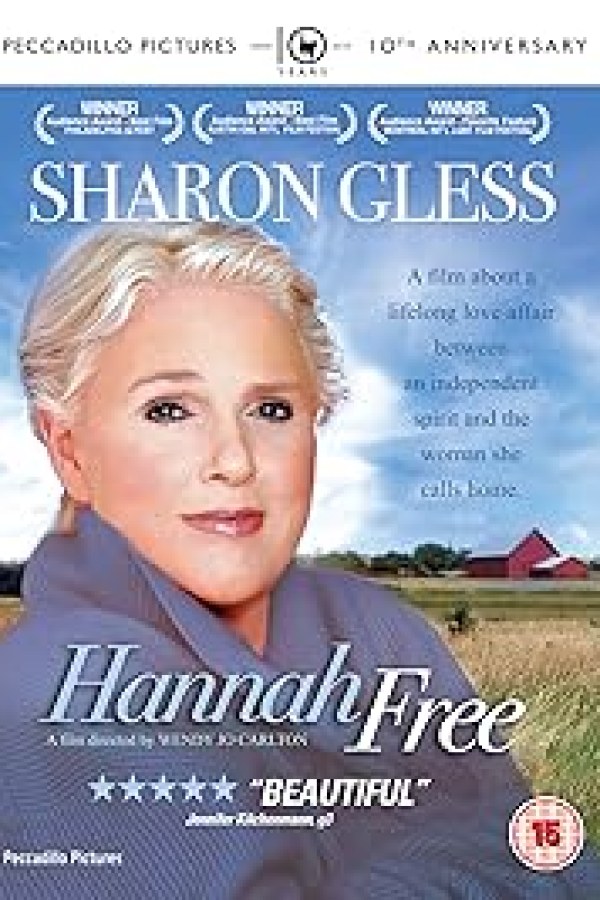
“A lifetime of love, a single breath of freedom.”
VIBE CHECK:
Period Romance / Memory Play / Emotional / Bittersweet
THE PLOT:
Hannah and Rachel have been in love since they were children in a small Midwest town. Hannah is a "free spirit"—a restless traveler who refused to be tied down—while Rachel stayed home, married a man, and played the part of the traditional wife. Now, in their final years, Rachel is in a nursing home, unresponsive after a stroke. Hannah is kept from her bedside by Rachel’s protective, conservative daughter, who views Hannah as nothing more than a "family friend." Through a series of vivid flashbacks, we see their secret history unfold, from the 1930s through the 60s, leading to one final, desperate attempt for Hannah to say goodbye.
THE QUEER & RADICAL ANGLE:
The Fight for Recognition: The film is a radical critique of a legal system that, at the time, stripped queer partners of their rights in medical and end-of-life situations. It highlights the "erasure" of queer elders.
The Butch Icon: Sharon Gless (of Cagney & Lacey and Queer as Folk fame) gives a powerhouse performance as the older Hannah, embodying a rugged, unapologetic butch identity that was rarely seen with such dignity in cinema during the late 2000s.
WHY IT KILLS:
It is a tear-jerker with a high IQ. Based on the play by Claudia Allen, the film focuses on the friction between Hannah’s need for independence and Rachel’s need for security. It doesn't shy away from the flaws of its characters; Hannah’s "freedom" often came at the cost of Rachel’s heartbreak. It’s a quiet, stage-like production that relies on the incredible chemistry between the leads to tell a story about the endurance of the human heart.
LEGACY SCORE: 8.5 / 10 💌🗝️