Bisexual Fluidity, Somatic Reawakening, and the Dissolution of Bourgeois Morality
1. The Narrative Matrix: The Triangular Sabotage of Heteronormativity
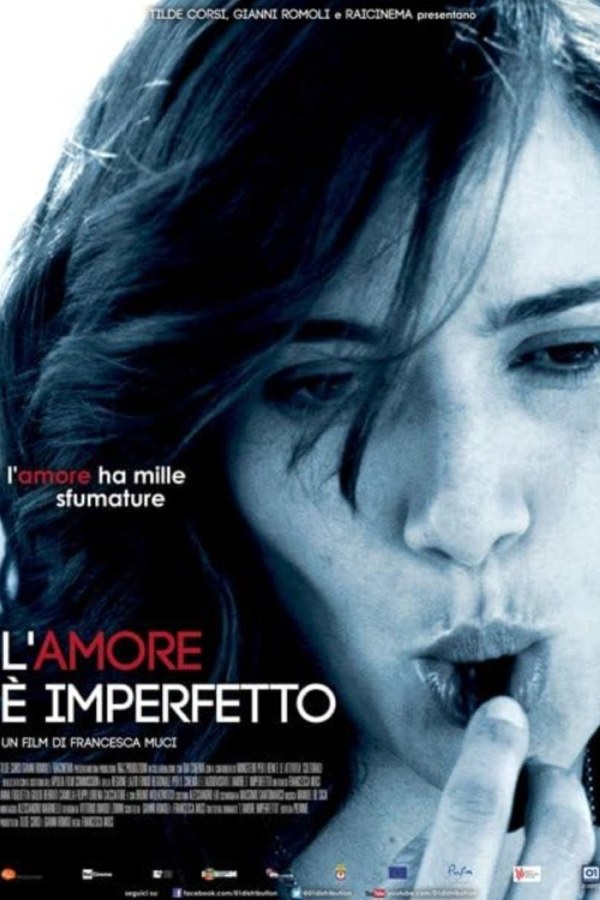
In L'amore è imperfetto (2012), director Francesca Muci constructs a lush, emotionally volatile, and structurally defiant biopsy of female sexual awakening and identity fluidity. Rejecting the rigid, binary categories that mainstream romantic cinema utilizes to contain desire, the narrative follows Elena, a woman paralyzed by past emotional trauma, as she steps into a dual existential vortex. By simultaneously engaging in a high-stakes, parallel exploration of intimacy with an older man (Ettore) and a young woman (Adriana), Elena effectively sabotages the traditional, patriarchal expectations of monogamy. Muci refuses to format this journey through the lens of moral guilt or psychological pathology; instead, the film documents the chaotic, liberating labor of a woman reclaiming absolute sovereignty over her own body and emotional destiny.
2. The Visual Syntax: Mediterranean Sensuality and High-Contrast Intimacy
The cinematic grammar of Muci is deeply rooted in a vibrant, highly stylized European aesthetic that uses the architecture and light of Italy as a canvas for internal psychological shifts. The technical execution transforms physical proximity into a primary narrative engine.
The Chromatic Shift of Desire: The camera tracks Elena’s dual relationships through distinct visual systems. Her encounters with Adriana are bathed in warm, erratic, and organic sunlight, formatting queer youth and sapphic desire as a space of raw vitality and unpredictable freedom. In contrast, her scenes with Ettore operate on clean lines and controlled, classical chiaroscuro, framing the heterosexual alternative as stable but structurally confined.
The Somatic Lens: Muci implements a tactile, unapologetic approach to eroticism. The lens captures skin contact, heavy breathing, and physical vulnerability with extreme proximity, stripping the erotic thriller elements of Hollywood-style voyeurism and replacing them with a sovereign, female-driven representation of active pleasure.
3. Deconstructing the Matrix of Bourgeois Compliance
What secures L'amore è imperfetto its vital, distinct territory within the QueerFilmHub critical index is its sharp dismantling of Italian societal expectations regarding age, gender, and domestic performance. In the universe of the film, middle-class society demands that a woman in her mid-30s settle into a predictable, sanitized script of stability and marriage. Elena’s refusal to choose between the safety of the patriarchy and the chaotic freedom of queer desire acts as a profound act of rebellion against this panopticon. Muci masterfully demonstrates that true personal emancipation cannot be achieved by following external societal algorithms, but by embracing the terrifying, "imperfect" friction of one's authentic, un-sanitized truth.
4. Conclusion: The Luminous Autonomy of Desire
Francesca Muci has delivered a visually gorgeous, emotionally fierce, and unyielding monument to independent European cinema. L'amore è imperfetto (2012) stands as an essential historical text for the study of bisexual representation, proving that genre filmmaking can be successfully weaponized to critique deeply rooted societal dogmas. By allowing its protagonist to emerge from the wreckage of her conflicts not as a tragic victim, but as a fully realized, independent master of her own desires, the film serves as a permanent, flashing blueprint for queer storytellers: the most revolutionary thing you can capture on screen is a woman who refuses to apologize for the complex complexity of her love.