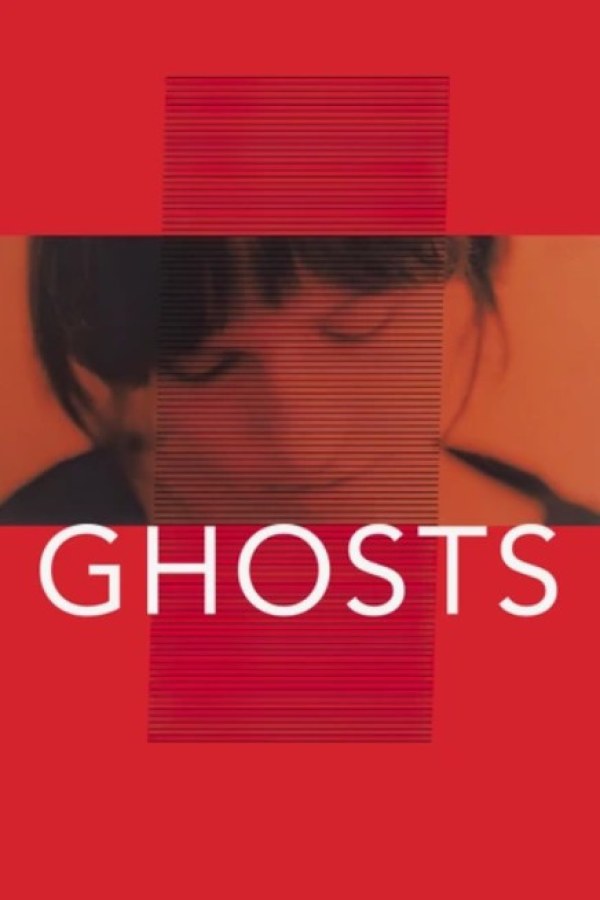
The Haunting of Identity, Urban Alienation, and Somatic Vagrancy
1. The Narrative Matrix: The Spectral Existence of the Outcast
In Ghosts (2005), master director Christian Petzold constructs a clinical, structurally flawless anatomy of marginalization. Moving entirely away from the melodramatic, sentimentally safe tropes of traditional European social realism, Petzold positions his protagonists—Nina and Toni—within a spectral Berlin that operates as a visual concrete vacuum. This is not a classic coming-of-age story or a typical trauma loop. It is a rigorous, deeply unsettling exploration of existential displacement. The intimacy that develops between the two young women is treated not as a commercialized romantic escape, but as a temporary, desperate anchor—a shared recognition of their shared invisibility within a late-capitalist panopticon.
2. The Visual Grammar: The Geometry of Detachment
Petzold’s directorial methodology in Ghosts is characterized by a razor-sharp, architectural precision. The camera blocking systematically prioritizes long takes, wide angles, and a cold, naturalistic color palette dominated by sterile grays, muted greens, and pale sunlight. The lens behaves with a non-intrusive, almost ghostly detachment, transforming public parks, train stations, and corporate shopping malls into hostile, transient spaces (non-places). Every frame is meticulously engineered to dissect the distance between human bodies, using glass reflections and structural architecture to mirror the internal fragmentation and absolute social isolation of the characters.
3. Deconstructing the Grid of Domestic Erasure
What secures Ghosts its permanent place within our critical matrix is Petzold's profound subversion of the maternal and familial myth. The intersection of Nina and Toni's vagrant journey with Françoise's obsessive, grief-driven search for her lost daughter creates a powerful psychological friction. Petzold constructs a devastating commentary on identity: when society erases your past and institutionalizes your body, existence itself becomes an act of quiet transgression. The characters do not beg for systemic validation; their survival is a silent, unyielding protest against a world that demands their permanent compliance or total disappearance.