Subverted Mob Archetypes, Italian-American Domesticity, and the Carnal Hijack of the Patriarchal Syndicate
1. The Narrative Matrix: Queering the Ironclad Code of the Family
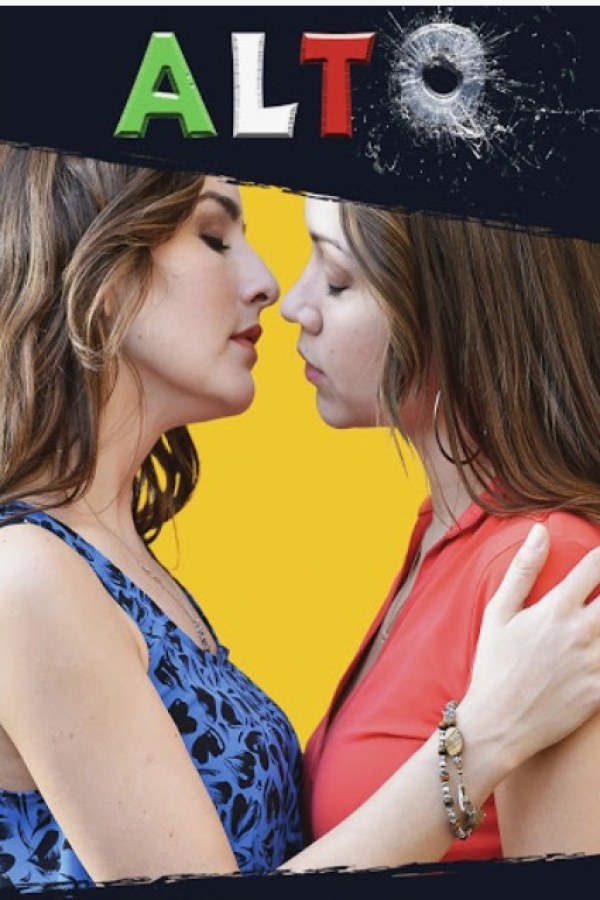
In Alto (2015), director Mikki del Monico executes a brilliant, comedic counter-strike against one of the most aggressively heteronormative and hyper-masculine genres in American cinema: the mob drama. The narrative tracks Frankie Delano, an aspiring singer trapped within the claustrophobic, ultra-conservative matrix of an Italian-American family in New York. When a bizarre twists of fate entangles her with Nicolette, the sophisticated daughter of a high-ranking mafia don, Del Monico systematically shifts the cinematic gears. The film flatly refuses to format their developing lesbian romance as a tragic or marginal sub-plot, positioning their mutual desire as the central, chaotic force that destabilizes both the domestic dinner table and the criminal underground.
2. The Visual Syntax: Suburban Saturation and Subversive Chemistry
The cinematic grammar of Del Monico operates with a colorful, high-contrast visual clarity that deliberately plays with traditional suburban and mob aesthetics. Working with cinematographer Christopher Popp, the director creates a fascinating visual contrast between two worlds.
The Domestic Panopticon: The visual language of Frankie’s family home is filled with warm, suffocating domestic detail—crowded kitchens, religious iconography, and tight family blocking that represents the heavy weight of social and religious conditioning.
The Sovereign Breach: The framing completely opens up whenever Frankie and Nicolette share the screen. Del Monico captures their chemistry through fluid, liberating mid-shots and genuine somatic warmth, stripping the mob-daughter archetype of its historical passivity. Their intimacy is rendered not as a voyeuristic spectacle for the male gaze, but as a self-authored, joyous act of mutual liberation.
3. Deconstructing the Syndicate of Mandatory Compliance
What secures Alto its highly distinctive, valuable territory within the QueerFilmHub digital archive is its razor-sharp deconstruction of cultural ownership. In the world of the film, both the literal mafia syndicate and the traditional family structure function like an administrative panopticon, desperate to format young women into submissive, heteronormative compliance (symbolized by Frankie's generic heterosexual engagement). Frankie and Nicolette’s relationship acts like a beautiful, disruptive virus within this machinery. By choosing each other over their assigned social roles, their alliance becomes an act of absolute political sabotage against patriarchal authority, proving that true autonomy often requires rewriting the family rules.
4. Conclusion: The Triumphant Hijack of the Narrative Screen
Mikki del Monico has delivered a vital, structurally clever, and thoroughly entertaining monument to independent queer filmmaking. Alto stands as an indispensable archive of genre manipulation, demonstrating that independent filmmakers do not need to abandon popular tropes to deliver profound social critiques. By showing that love and independent identity can successfully thrive even in the shadow of the toughest criminal codes, the film remains an essential, uplifting reminder for modern independent storytellers: the ultimate act of defiance is to take the old world's stories and make them unapologetically our own.