In the landscape of 1990s American independent cinema, Sharon Pollack carved out a quiet, deeply vital niche that stood in warm contrast to the stark, confrontational aesthetics of her New Queer Cinema contemporaries. While masters like Todd Haynes and Gregg Araki were capturing the attention of film festivals with stylistic alienation and transgressive subversion, Pollack recognized a different, urgent need in queer storytelling: the need for everyday human visibility, cultural preservation, and the celebration of chosen family. Acting as the ultimate channeler of mid-90s lesbian culture, she delivered a compassionate, grounded perspective on community, aging, and the profound, messy bonds of lifelong sisterhood.
The Signature Vision: The Camera as an Empathetic Archivist
To experience the work of Sharon Pollack is to enter a cinematic space that values emotional presence and lived-in authenticity over hyper-manicured plots or kinetic action. Her directorial philosophy is built on establishing an absolute, protective comfort zone for her ensemble casts, letting the natural chemistry between her actors dictate the rhythm of the film.
Her directorial signature is defined by:
The Loose Ensemble Rhapsody: Pollack rejects the strict architecture of traditional Hollywood pacing. She favors an episodic, almost documentary-like casualness where characters grocery shop, argue over domestic details in the kitchen, or chat by a lake, making the audience feel like an invited guest rather than an outside observer.
A Focus on Mundane Queer Visibility: At a time when mainstream media almost exclusively tragicized, hyper-sexualized, or ignored lesbian narratives entirely, Pollack insisted on capturing the beautiful ordinariness of queer adult lives—navigating parenthood, workplace compromises, and the evolving dynamics of aging.
Earnest Socio-Political Urgency: Her scripts lean heavily into an unvarnished, transparent sincerity, using personal dialogue to actively address the burning socio-political talking points of the 90s, from child custody biases and reproductive rights to the generation gaps within feminist movements.
The Essential Breakthrough: Everything Relative (1996)
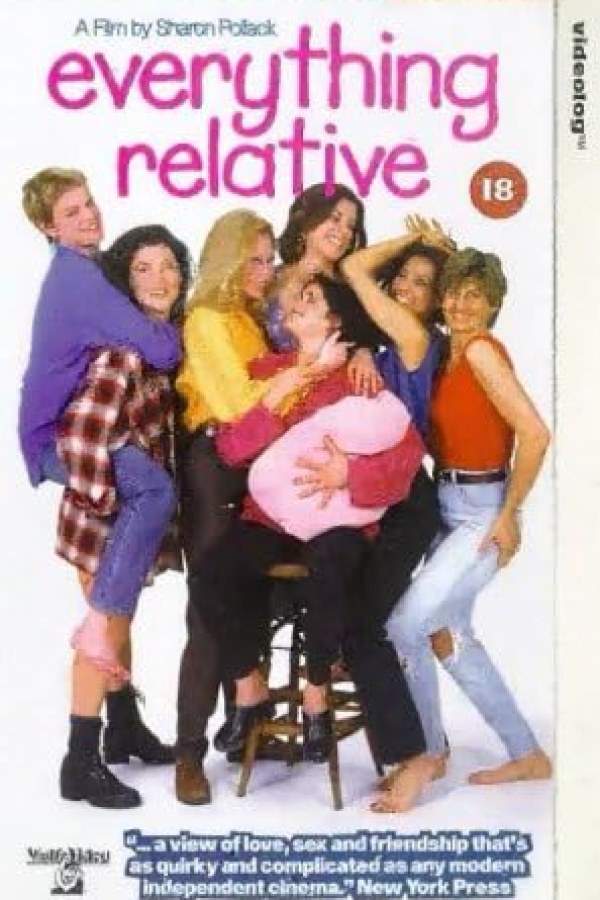
Pollack’s definitive contribution to independent queer cinema arrived with her landmark comedy-drama, Everything Relative. Premiering at the Sundance Film Festival within the American Spectrum lineup and later featured at historic festivals like Frameline, the low-budget gem earned its reputation as the definitive "lesbian Big Chill."
The film brilliantly tracks a weekend reunion of seven former college friends—six lesbians and one heterosexual ally—who once shared a radical 1970s street-theater past in Northampton, Massachusetts. Gathering to celebrate the birth of a newborn son to one of the couples, the women retreat to a country lake house, inadvertently opening decades of deeply buried emotional scar tissue.
Pollack masterfully transforms the single-location cabin into a healing sanctuary. She navigates multiple, complex interpersonal rifts simultaneously: the pain of a high-powered lawyer staying closeted at work, the heavy ghosts of unresolved custody battles between ex-lovers, the generational clash brought on by a politically conservative younger partner, and the quiet grief of infertility. Despite its micro-budget technical constraints, Pollack captures the performances with an extraordinary, organic fluidity, earning praise from legendary critics for creating one of the most honest, deeply affectionate ensemble snapshots of lesbian sisterhood ever put to film.
An Enduring Legacy
What makes Sharon Pollack a vital, lasting voice in independent film history is her refusal to sacrifice human warmth for structural rigidity. She understood that sometimes the most radical act an independent director can perform is simply giving characters the space to be flawed, vulnerable, and deeply human without the threat of tragedy hanging over their heads. By anchoring her stories in the timeless, protective shelter of chosen family, Pollack remains an essential, pioneering archivist of queer connection—a filmmaker who looked at her community and captured its heart with profound, enduring grace.