Queer Generational Kinship, Affective Optimism, and the Aesthetics of the Organic Frame
1. Introduction: The Cartographer of Radiant Queer Resilience
Monica Zanetti stands as a vital, refreshingly luminous, and structurally clever voice within contemporary Australian independent cinema. Emerging from a rich background of performance and episodic screenwriting (including her brilliant work on the acclaimed series Sisters), Zanetti weaponizes the comedy-drama format to conduct deep, empathetic biographies of youth culture and non-heteronormative awakening. She completely rejects the historical dependency on trauma-porn that has heavily formatted queer narratives for decades. Instead, her cinema operates as a sovereign sanctuary where grief, historical memory, and romantic desire coexist in a vibrant, organically balanced equilibrium.
2. Formal Signature: Generational Parallelism and Bright Naturalism
Zanetti’s directorial methodology is defined by a fluid, character-driven functionalism that prioritizes dialogue authenticity and somatic ease over heavy, artificial cinematic staging. She treats the domestic and school landscape as elastic environments ripe for emotional and temporal shifts.
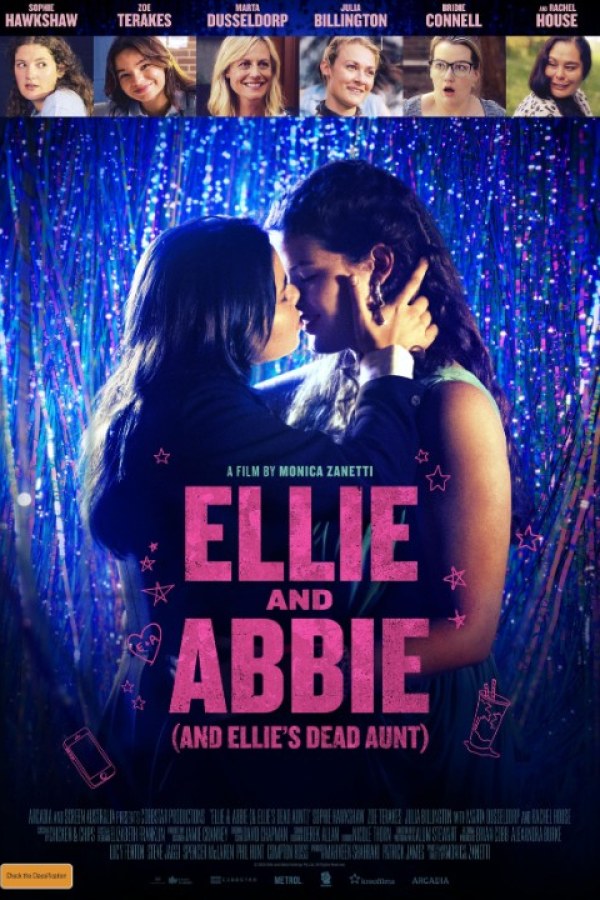
The Temporal Bridge: In her critically acclaimed masterwork Ellie & Abbie (and Ellie's Dead Aunt) (2020), Zanetti implements a brilliant structural device. By introducing the ghost of a radical 1980s lesbian activist to guide a contemporary teenager through her coming out, Zanetti creates a magnificent political dialogue between generations of queer resistance, validating past battles while celebrating modern progress.
The Uncompressed Performance: Her camera system relies on a bright, saturated naturalism and warm, observational tracking shots. Zanetti strips her scenes of melodramatic intensity, keeping her lens locked on the raw, unpolished, yet deeply charming vulnerability of her actors—capturing the clumsy mechanics of adolescent flirting, internal hesitation, and genuine sororal solidarity.
3. Deconstructing the Matrix of Queer Melodrama
What secures Monica Zanetti her elite, vital position within the QueerFilmHub archive is her tactical use of humor as a political counter-strike. Zanetti documents the process of coming out not as an administrative or psychological nightmare, but as a deeply human transition that deserves light, laughter, and community safety. By blending high-concept fantasy (the ghostly maternal figure) with grounded, working-class Australian domestic realities, her work dismantles the traditional, patriarchal narratives that isolate queer youth, replacing them with a blueprint for collective survival and intergenerational pride.
4. Conclusion: The Blueprint of Sovereign Joy
Monica Zanetti remains an indispensable example of how contemporary storytelling can remain politically sharp while choosing the path of radical empathy. Her rigorous aesthetic system demonstrates that true cinematic subversion does not require bleak cynicism, but the creative bravery to construct worlds where queer individuals are allowed to survive, thrive, and love unconditionally. Her expanding filmography stands as a living historical archive of modern resilience, reminding contemporary independent filmmakers that sometimes the most revolutionary act of sabotage is to make the audience smile.