In the landscape of modern international cinema, the Norwegian-born director and screenwriter Mona Fastvold has established herself as a master of sensory, atmospheric storytelling. Emerging from an early background as a child actress in television, Fastvold possesses a distinct, deeply protective philosophy toward managing her sets—crafting safe, warm, and highly collaborative spaces that allow her performers to reach devastating emotional depths. Rather than adhering to formulaic Hollywood pacing, her directorial style anchors itself in the textures of the physical world, transforming severe landscapes, weather, and domestic isolation into complex psychological battlegrounds.
The Signature Vision: Grain, Language, and Physical Gravity
To experience a Mona Fastvold film is to enter a cinematic space where the environment dictates the emotional interior of the characters. Working alongside a close network of recurring independent collaborators—including her creative and romantic partner, director Brady Corbet—she has built a fiercely uncompromising body of work.
Her directorial signature is defined by:
Tactile Social Realism: Fastvold favors rich, grainy cinematic formats, including gorgeous 16mm film, to visually anchor her narratives in earthy, unfiltered realism. The mud, the wind, and the candlelight are treated as living, breathing characters rather than sterile backdrops.
Literary Scaffolding: Her works lean heavily on a dense, poetic use of spoken language, diary entries, and formal prose. She juxtaposes the precise, structured vocabulary of her scripts with the raw, silent longing of her actors.
Stories of Conviction and Desire on the Margins: Fastvold is repeatedly drawn to characters navigating profound internal awakenings under the heavy weight of isolation, focusing deeply on the boundaries of gender dynamics, community solidarity, and personal autonomy.
The Core Filmography
1. Domestic Friction: The Sleepwalker (2014)
Fastvold’s solo feature directorial debut arrived at the Sundance Film Festival with the psychological drama The Sleepwalker. Co-written with Corbet, the film tracks the volatile fracturing of two couples inside a remote, uncompleted architectural estate in New England. The production highlighted her early capacity to transform a single, isolated domestic location into a high-stakes arena of hidden trauma and sensory dread.
2. Historical Breakthrough: The World to Come (2020)
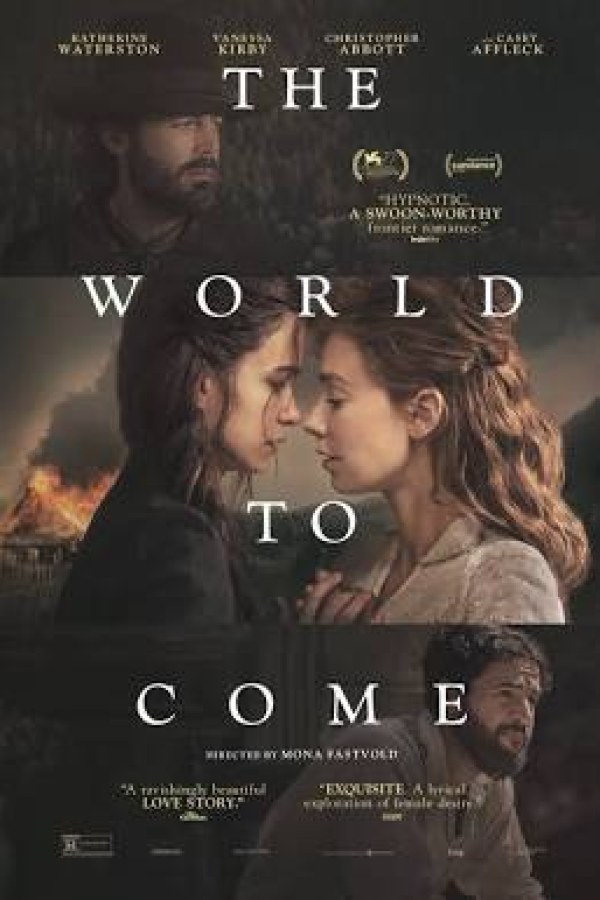
Fastvold’s international breakthrough statement arrived with the widely heralded nineteenth-century frontier romance The World to Come. Premiering in competition at the Venice Film Festival and winning the prestigious Queer Lion award, the film scales down the brutal, frozen wilderness of 1850s upstate New York into an intimate, claustrophobic look at two neighboring farmers' wives—played with magnificent restraint by Katherine Waterston and Vanessa Kirby. Fastvold masterfully contrasted the routine, low-wage agricultural labor of the era with a passionate, intellectually charged sanctuary of queer desire.
3. Grand-Scale Epic: The Testament of Ann Lee
Consolidating her status as a monumental global auteur, Fastvold returned to the international stage with the sweeping, grandiose musical biopic The Testament of Ann Lee. Shot on 70mm, the film chronicles the radical, eighteenth-century journey of the founding leader of the Shakers, played by Amanda Seyfried. Fastvold utilized ecstatic song and convulsive dance choreography to explore Lee's forward-thinking philosophies on gender and economic equality, proving that micro-intimate character studies can successfully scale into massive, high-art cinematic spectacles.
The Collaborative Co-Author
Beyond her visionary work behind the director's chair, Fastvold operates as a highly influential screenwriting force within contemporary cinema. Her precise, narrative architecture underpins Brady Corbet’s most ambitious works, serving as the co-writer for the historical psychological drama The Childhood of a Leader (2015), the pop-star satire Vox Lux (2018), and the towering architectural epic The Brutalist.
An Enduring Legacy
What makes Mona Fastvold a vital, trusted vanguard of contemporary international cinema is her absolute refusal to dilute the artistic continuity of her features. By aggressively retaining final cut privileges and insisting on giving her female icons grandiose, uncompromising spaces on the silver screen, she has broken traditional, male-dominated production molds. Fastvold continues to prove that the most profound cinematic spectacles are built from the inside out—stubbornly keeping her lens focused on human warmth, mutual respect, and the fierce, eternal architecture of human conviction.