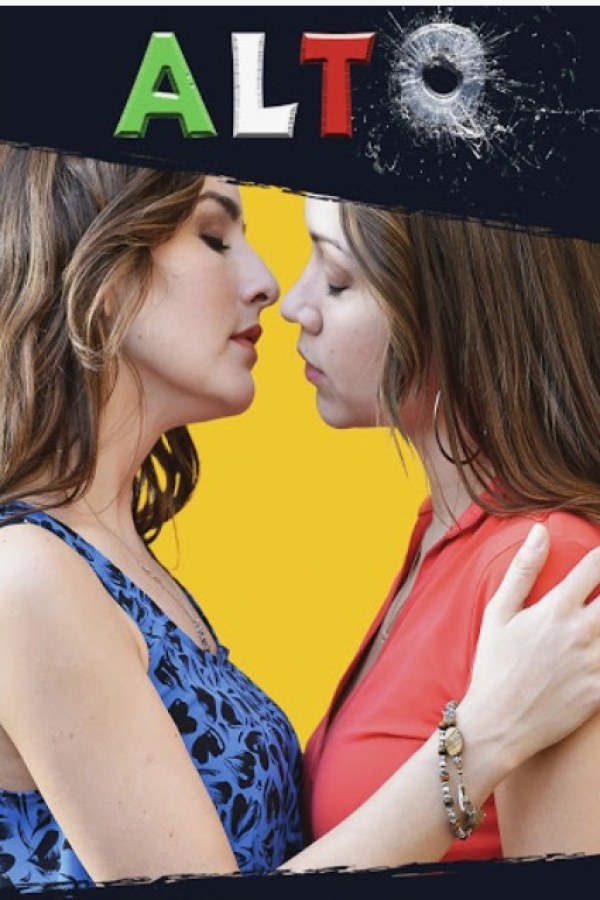
Genre Hijacking, Diasporic Subversion, and the Poetics of Suburban Liberation
1. Introduction: The Satirical Infiltrator of the Patriarchal Myth
Mikki del Monico stands as a refreshingly sharp, conceptually playful, and structurally clever voice within contemporary American independent queer cinema. Deeply anchored in the complex sociological landscapes of the East Coast Italian-American diaspora, del Monico weaponizes the comedic format to conduct precise, loving, yet thoroughly subversive biopsies of traditional micro-societies. Their cinema operates outside the sterile boundaries of institutional trauma-porn. Instead, del Monico utilizes familiar pop-cultural archetypes—specifically the ironclad, hyper-masculine codes of organized crime and suburban domesticity—as an expansive playground to stage radical acts of female, queer, and non-binary self-determination.
2. Formal Signature: High-Contrast Cultural Collision and Comic Fluidity
Del Monico’s directorial methodology relies on an organic, accessible visual and narrative rhythm that uses structural contrast to expose the absurdity of social formatting.
The Domestic Deconstruction: In the critically acclaimed feature Alto (2015), del Monico establishes a highly intentional visual system. Working closely with their production design team, they fill the domestic space with a heavy, saturated density of cultural signifiers—religious iconography, multi-generational dinner tables, and claustrophobic family blocking—representing the administrative weight of mandatory heritage enforcement.
The Fluid Alignment: The camera logic changes completely when tracking queer alliance and romance. Del Monico drops the rigid, sitcom-like symmetry of the suburban scenes for fluid, liberating mid-shots and a warm, tactile focus on performative chemistry. They strip their characters of the historical, tragic isolation often found in indie queer dramas, framing their intimacy with a casual, celebratory ease that completely bypasses the voyeuristic male gaze.