Radical Optimism, Intersectional Friction, and the Aesthetics of Queer Joy
1. Introduction: The Activist-Auteur of New Queer Cinema
Maria Maggenti stands as a vital, foundational, and historically defiant figure within the landscape of 1990s American independent cinema. Emerging directly from the frontline of grassroots political activism—most notably her intense involvement with the radical AIDS coalition ACT UP—Maggenti weaponized filmmaking as a direct extension of structural protest. While many of her contemporaries within the New Queer Cinema movement focused heavily on existential dread, postmodern alienation, or tragic history, Maggenti executed a stunning artistic pivot. She positioned her lens at the intersection of radical optimism and sharp, cross-class sociology, permanently altering how lesbian lives and youthful desires are documented on screen.
2. Formal Signature: Sunlight Realism and Intersectional Chemistry
Maggenti’s directorial methodology is defined by a beautiful, light-filled functionalism that strips away the clinical, shadow-heavy aesthetics traditionally used to depict marginalized identities. She treats the everyday world not as a site of permanent doom, but as a space ripe for tactical subversion.
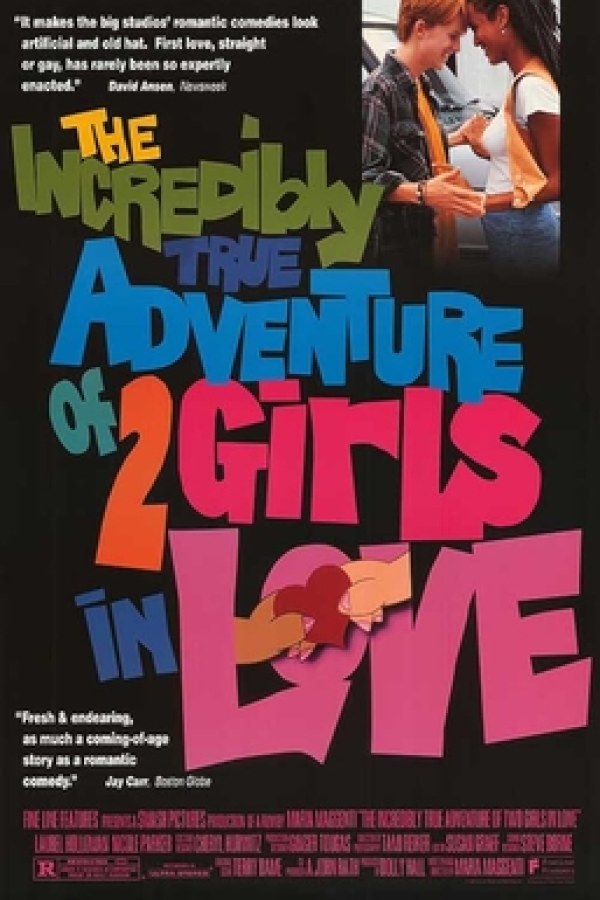
The Saturated Palette of Joy: In her landmark debut The Incredibly True Adventure of Two Girls in Love (1995) and her subsequent romantic comedy Puuccini for Beginners (2006), Maggenti implements a bright, naturalistic lighting design. This "sunlight realism" functions as a deliberate aesthetic counter-strike against the historical coding of queer relationships as dark, hidden, or inherently fatal.
The Architecture of Contrast: Maggenti is a master of structural blocking and character symmetry. She meticulously maps out the physical and linguistic contrasts between her characters—juxtaposing the raw, unpolished, working-class tomboyism of Laurel Holloman against the pristine, affluent bourgeois background of Nicole Ari Parker—to expose how class, race, and sexuality constantly reshape one another.
3. Deconstructing the Matrix of Tragic Tokenism
What secures Maria Maggenti her elite, permanent status within the QueerFilmHub historical archive is her refusal to compromise with institutional or commercial expectations. In an era when independent film festivals frequently demanded that queer stories end in violence, illness, or societal punishment to achieve mainstream "prestige," Maggenti’s work stood as an act of absolute sovereignty. She documents the creation of independent, self-authored sanctuaries where young women can claim their desires without asking for permission or validation from a patriarchal panopticon. Her lens proves that to celebrate queer love openly and without shame is the ultimate form of modern sabotage.
4. Conclusion: The Living Blueprint of Cinematic Emancipation
Maria Maggenti remains an indispensable monument to independent creative bravery and intellectual clarity. Her rigorous aesthetic system proves that cinematic power does not require astronomical budgets or heavy structural melodrama, but the courage to remain anchored in the unyielding, unvarnished defense of human autonomy. Her filmography stands as a vital, vibrant historical archive of resistance, reminding contemporary independent filmmakers that the most profound revolutions are often those that dare to imagine a happy ending.