Melodramatic Subversion, Tropical Neo-Noir, and the Architecture of Philippine Taboo
1. Introduction: The Uncompromising Stylist of Contemporary Philippine Cinema
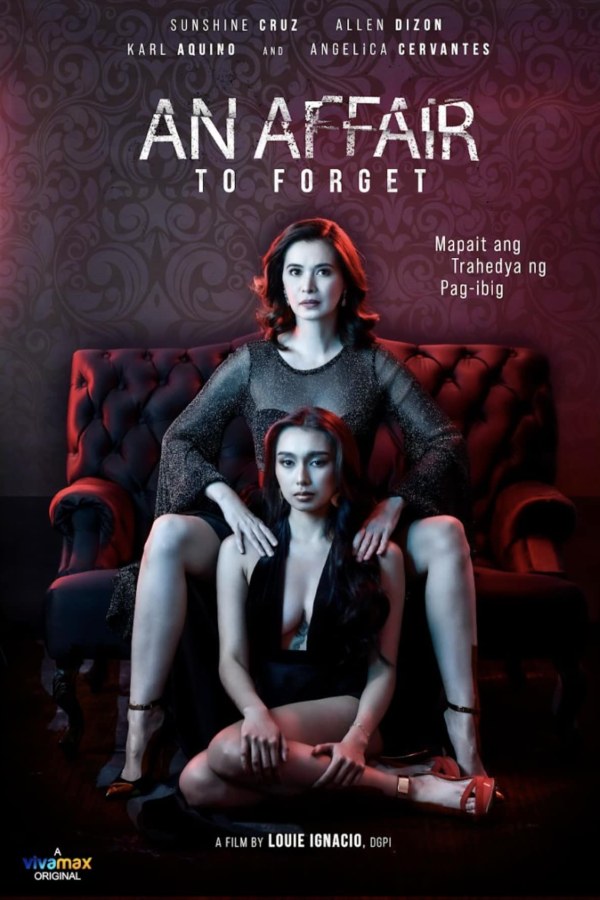
Louie Ignacio has established himself as a dominant, highly adaptable force within the landscape of modern Philippine cinema and television. For the QueerFilmHub archive, Ignacio represents a fascinating intersection between mainstream genre mastery and raw, independent subversion. Operating frequently within the high-intensity ecosystem of modern Philippine thrillers, Ignacio refuses to treat cinema as a space for polite, safe storytelling. Instead, his filmography is a masterclass in stripping away the conservative, heavily institutionalized masks of local society to expose the volatile undercurrents of desire, power, and human desperation hidden underneath.
2. Formal Signature: Tropical Melodrama Meets Cold Neo-Noir
Ignacio’s directorial grammar is characterized by its heavy, atmospheric density and its ability to turn emotional conflict into a highly cinematic, sensory experience.
The Humid Aesthetic (High-Friction Environments): Ignacio’s frames are rarely sterile. He weaponizes the tropical, humid, and often claustrophobic textures of his environments to mirror the psychological suffocations of his characters. Whether directing a high-stakes erotic thriller or a gritty social drama, his visual style relies on intense saturation, deep shadows, and tight domestic staging that transforms the screen into an emotional pressure cooker.
The Anatomy of Deception: A recurring formal signature in Ignacio’s work is the fracturing of the domestic space. His camera constantly glides through reflections, mirrors, and hidden angles, reinforcing the theme of permanent surveillance and institutional hypocrisy. In his cinematic universe, what is left unsaid or hidden in the shadows carries far more structural weight than the overt action.
3. Deconstructing the Matrix of Conservative Morality
What makes Louie Ignacio an essential auteur for the QueerFilmHub critical lens is his fearless approach to societal taboos. The Philippine cultural matrix is historically governed by deep-seated religious conservatism and rigid family structures. Ignacio systematically targets this specific fortress. By placing his characters in extreme, high-friction scenarios where infidelity, betrayal, and dark obsessions shatter the illusion of a perfect life, he exposes the structural fragility of heteronormative institutions. In an Ignacio film, the traditional family is rarely a haven; it is a transactional battlefield where survival requires absolute moral compromise.
4. Conclusion: The Ruthless Chronicler of Human Frailty
Louie Ignacio remains an indispensable architect of modern independent genre filmmaking. His ability to maintain a prolific output while consistently delivering sharp, aesthetically heavy, and socially urgent narratives secures his place as a premier chronicler of contemporary human frailty. His films stand as a striking reminder that beneath the polished surface of societal decorum lies a raw, untamed matrix of survival and unyielding desire.