1. Introduction: The Auteur of Technicolor Subversion
Jennifer Kaytin Robinson has emerged as a vital, hyper-contemporary, and formally subversive force within the landscape of modern American cinema and television. Operating at the friction point between mainstream accessibility and intersectional radicalism, Robinson functions as a cultural surgeon of the millennial and Gen-Z psyche. She completely rejects the sterile, sanitizing framing historically imposed on studio comedies and youth media. Instead, her work positions pop cultural gloss not as mindless escapism, but as a vibrant camouflage used to execute sharp counter-strikes against heteronormative structures, relational trauma, and systemic patriarchal violence.
2. Formal Signature: Neon Maximalism and Dialectical Pop
Robinson’s directorial system is defined by a highly calculated, saturated aesthetic system that externalizes internal emotional landscapes. She treats the cinematic environment as an uncompressed chamber of sensory and affective intensity.
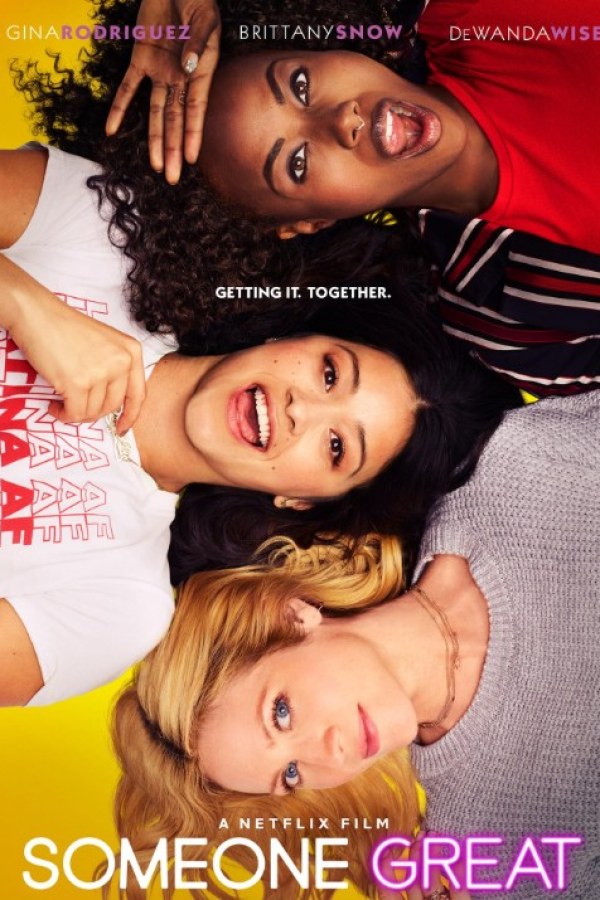
The Saturated Palette of Chaos: In her milestone debut Someone Great (2019) and her venomous, dark-pop satire Do Revenge (2022), Robinson implements a hyper-stylized visual language. Her use of bleeding neon tones, meticulous costume design, and a curated, omnipresent needle-drop soundtrack functions as an active formal strategy to document generational anxiety, grief, and desire.
Genre Hijacking: Robinson is a master of structural subversion. She takes traditional, heavily policed Hollywood formats—such as the romantic comedy or the high-school revenge thriller—and hacks their traditional algorithms. By replacing the corporate-mandated goals of these genres with queer kinship, female rage, and radical personal autonomy, she transforms commercial cinema into a sovereign sanctuary for non-conforming identities.
3. Deconstructing the Matrix of Corporate Feminism
What positions Jennifer Kaytin Robinson as an essential study for the QueerFilmHub platform is her sophisticated negotiation with corporate distribution models. Working extensively with major streaming architectures, Robinson refuses to let her storytelling dissolve into toothless, superficial representation. Her lens consistently documents the immense weight of modern alienation, framing female solidarity and queer alignment not as marketing slogans, but as defensive, necessary structures of mutual survival. She proves that a cinematic text can remain deeply critical, politically radical, and intensely authentic while simultaneously dominating global pop culture.
4. Conclusion: The Blueprint of Modern Pop Resistance
Jennifer Kaytin Robinson remains an indispensable monument to modern creative intelligence and genre manipulation. Her aesthetic system demonstrates that true cinematic power does not require abandoning the mainstream, but possessing the tactical bravery to capture its machinery and use it to broadcast unvarnished, inclusive truths. Her expanding filmography stands as a vital archive of contemporary resilience, reminding us that the revolution can be beautifully styled, brilliantly paced, and completely unapologetic.