Mediterranean Fluidity, The Reclaimed Erotic Frame, and the Sabotage of Bourgeois Monogamy
1. Introduction: The Literary Voice Reconditioning the Italian Melodrama
Francesca Muci stands as a fascinating, intellectually rigorous, and structurally vital voice within contemporary Italian cinema and literature. Transitioning from a successful career as an author and documentarian directly into fiction filmmaking, Muci brought with her a profound, un-sanitized psychological literacy regarding female autonomy. For QueerFilmHub, Muci operates as a crucial aesthetic strategist who dismantles the conservative, deeply Catholic, and patriarchal foundations of traditional Italian cinema. By refusing to treat bisexual fluidity, age-gap intimacy, or non-monogamous desire as moral pathologies, her work effectively reclaims the commercial erotic drama, turning it into a sharp weapon of political and individual emancipation.
2. Formal Signature: High-Contrast Chromatography and Tactile Erudition
Muci’s directorial methodology is governed by a brilliant, highly stylized European aesthetic that uses the sensory textures of the Mediterranean landscape to map out the internal, chaotic realignment of her protagonists.
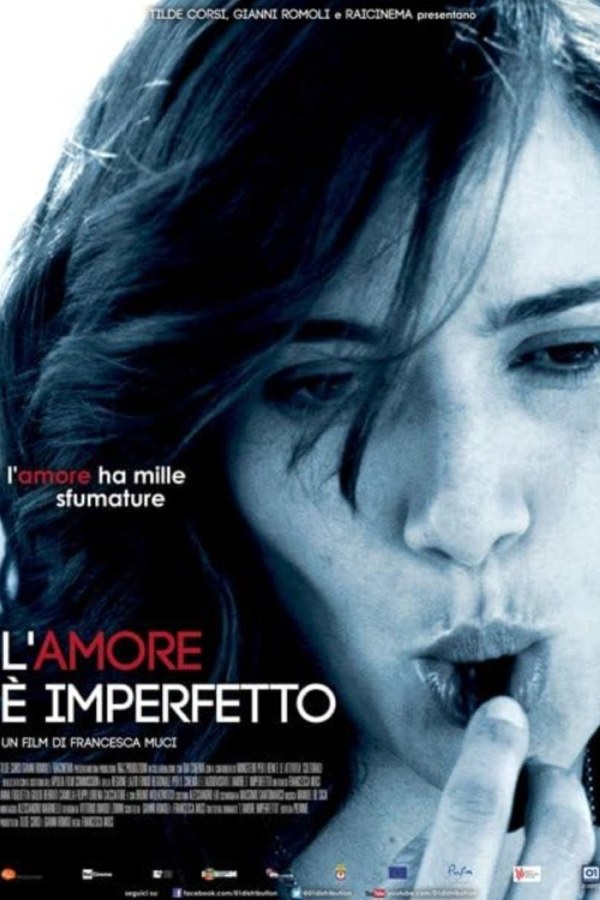
The Spatial Splitting of Desire: Across her visual storytelling—most notably in her landmark feature L'amore è imperfetto (2012)—Muci utilizes two distinct visual systems to contrast emotional states. She bathes queer intimacy and youth in warm, erratic, and over-saturated natural light, formatting sapphic desire as a space of pure vitality and somatic liberation. Conversely, she formats heterosexual stability through rigid geometric compositions and controlled, cold, classical chiaroscuro, visualising the bourgeois alternative as an elegant but suffocating psychological cage.
The Tactile Female Gaze: Muci completely purges her erotic sequences of Hollywood-style, patriarchal voyeurism. Her camera operates with extreme physical proximity—focusing intensely on skin texture, involuntary micro-expressions, and the somatic rhythm of breathing. In her cinematic system, the body is never a passive object for the consumer’s gaze; it is an active, demanding site of subjective pleasure and existential self-determination.
3. Deconstructing the Panopticon of Midsized European Compliance
What secures Francesca Muci her definitive, high-value territory within the QueerFilmHub archive is her relentless, sharp dismantling of traditional Italian family structures. In Muci’s universe, middle-class society acts as a quiet, administrative panopticon that pressures individuals—especially women in their thirties—to settle into a sanitized, predictable script of marriage, domestic passivity, and emotional erasure. Muci acts as a brilliant saboteur of this tracking, showing that the path to genuine personal sovereignty requires the terrifying courage to embrace "imperfection." Her cinema establishes a sovereign territory where the messy, un-sanitized friction of authentic human connection is valued over the hollow safety of social compliance.
4. Conclusion: The Luminous Resilience of Fluid Authorship
Francesca Muci remains an indispensable blueprint for the future of adult, sophisticated, and unapologetic European queer cinema. Her expanding creative blueprint demonstrates that a director can operate within accessible, visually lush genre frameworks while maintaining absolute narrative control and ideological sharpness. She serves as a permanent, flashing reminder to independent media-makers worldwide: the most revolutionary act you can capture on the silver screen is a protagonist who steps out of the wreckage of societal expectations, refuses to apologize for the complexity of her love, and claims total, independent mastery over her own body and fate.