1. Introduction: The Photographic Panopticon
Carlos Sanchez, working in an unbreakable artistic alliance with his brother Jason, represents a fascinating, highly specialized crossover between contemporary fine-art photography and dark, independent filmmaking. Long before transitioning to cinema, the Montreal-based duo gained international acclaim for their large-scale, meticulously staged psychological photographs. Their transition to feature-length narratives did not dilute their hyper-disciplined visual language; instead, it allowed them to stretch their clinical exploration of human isolation, behavioral manipulation, and severe emotional trauma into a continuous, devastating temporal experience.
2. Formal Signature: The Staged Geometry of Trauma
The cinematic signature of Carlos Sanchez is defined by a complete refusal to rely on handheld, chaotic indie-film realism. Every single frame is structured like a gallery exhibition piece. The Sanchez brothers weaponize their profound understanding of depth of field, static camera positioning, and oppressive internal lighting matrices to build spaces that feel like psychological traps.
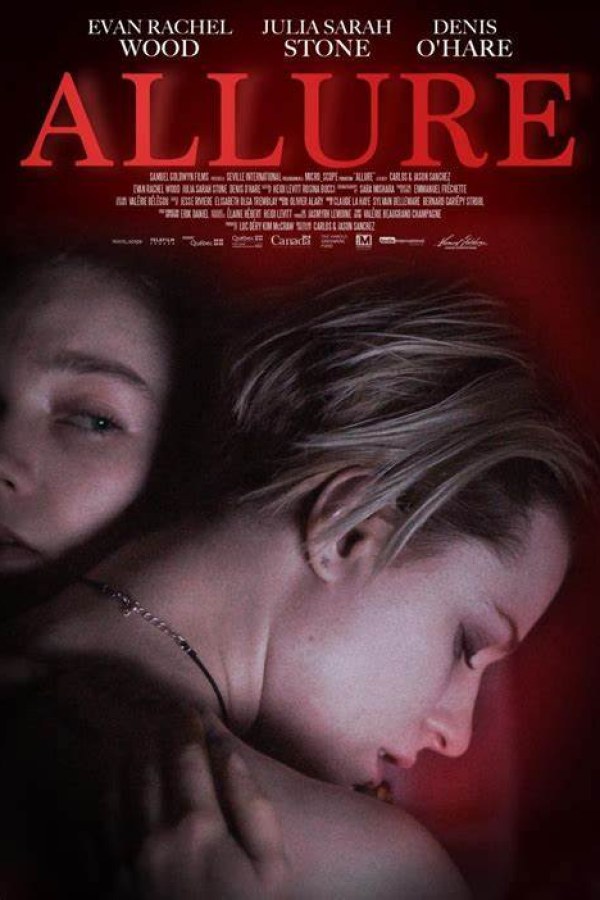
Allure (2017): Their landmark cinematic achievement functions as a masterclass in domestic horror and queer subversion. Carlos Sanchez treats the evolving codependency between Laura and Eva with an eerie, still intensity. The camera becomes a silent, non-judgmental witness to psychological grooming and structural imprisonment, using cold composition to heighten the story's raw emotional violence.
3. Subverting the Cinema of Reclamation
What makes Carlos Sanchez a crucial subject for the QueerFilmHub archive is his rejection of comfortable, safe political representation. While mainstream independent cinema often demands that queer stories operate as neat, idealized morality plays, Sanchez uses the queer dynamic to explore the universal, terrifying mechanics of human control. By setting Allure within a marginalized, same-sex dynamic, he proves that toxic power struggles and cyclical trauma exist outside of heteronormative structures. His characters are deeply flawed, dangerous, and broken—yet captured with an undeniable aesthetic dignity.
4. Conclusion: The Beautifully Uncomfortable Archive
Carlos Sanchez remains an essential, radical figure in independent cinema due to his unwavering artistic bravery. He does not create films to comfort the viewer or offer cheap redemption arcs. Through a brilliant fusion of fine-art precision and deep, psychological exploration, his work stands as an icy, vital archive of the darkest corners of human connection, intimacy, and structural vulnerability.