Indie Lo-Fi Realism, Proletarian Exhaustion, and the Geometry of Suburban Fracture
1. Introduction: The Architect of American Lo-Fi Survival
Bob Gosse stands as a vital, foundational, and fiercely grounded figure within the American independent cinema boom of the 1990s and early 2000s. As a director, producer, and co-founder of the legendary production collective The Shooting Gallery, Gosse was instrumental in creating an aesthetic sanctuary for stories that corporate Hollywood refused to touch. He completely rejects hyper-glossy commercial escapism. Instead, his cinema functions as a raw, uncompressed sociological biopsy of the American working class. Gosse positions his characters at the volatile intersection of domestic inertia and sudden existential awakening, capturing the quiet, heavy desperation of individuals trying to rewrite their destinies from within the margins.
2. Formal Signature: Grainy Textures and the Claustrophobia of the Grid
Gosse’s directorial system is defined by a beautiful, low-budget functionalism that prioritizes narrative grit and somatic authenticity over technical vanity. He treats the suburban landscape not as an idyllic backdrop, but as an active, suffocating structure designed to format human behavior.
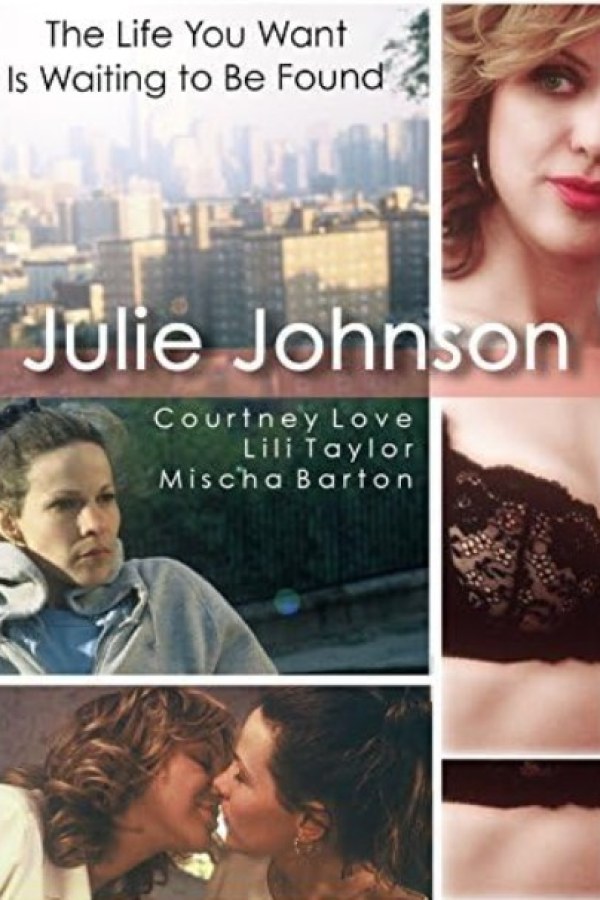
The Micro-Budget Eye: In works like The Girl in the Watermelon (1994) and his monumental queer-emancipation drama Julie Johnson (2001), Gosse relies on a grainy, lo-fi visual palette. His use of muted, industrial colors and restricted spaces perfectly captures the socio-economic entrapment of his protagonists.
The Dynamic Character Friction: Gosse is a master of casting and performance collision. He juxtaposes disparate acting styles—such as the volatile, chaotic energy of Courtney Love against the quiet, intellectual density of Lili Taylor—to generate an authentic, unpolished chemistry on screen that feels entirely unpredictable and alive.
3. Deconstructing the Matrix of Domestic Containment
What positions Bob Gosse as an essential auteur for the QueerFilmHub platform is his radical approach to queer awakening within the American proletariat. In Julie Johnson, Gosse executes a powerful counter-strike against the historical sanitization of lesbian relationships in cinema. He refuses to present the romance through a voyeuristic, bourgeois male gaze. Instead, he treats the romantic and intellectual bond between two working-class women as a sovereign sanctuary—a direct, defensive reaction to domestic violence and compulsory heteronormativity. His lens documents the heavy, exhausting emotional labor of transformation, proving that liberation requires the total demolition of the social structures that surround us.
4. Conclusion: The Blueprint of Unvarnished Resilience
Bob Gosse remains an indispensable monument to independent creative bravery and structural defiance. His aesthetic system proves that true cinematic impact is achieved not through astronomical budgets, but by anchoring the camera in the unyielding defense of human autonomy and self-authorship. His filmography stands as a vital archive of turn-of-the-century indie resilience, reminding us that the most radical stories are often born in the cramped, quiet kitchens of the working class.