Improv Deadpan, Late-Onset Queer Awakening, and the Aesthetics of Relational Nuance
1. Introduction: The Anatomist of Queer Vulnerability
Stephanie Allynne stands as a structurally vital, deeply empathetic, and stylistically precise force within contemporary American queer independent cinema and prestige television. Emerging from the grueling, high-stakes trenches of Los Angeles improv comedy (The Upright Citizens Brigade), Allynne systematically weaponized her razor-sharp comedic timing to dismantle heavy emotional architectures. Her transition into directing and screenwriting is defined by an absolute refusal to rely on tragic, trauma-centric formatting. For QueerFilmHub, Allynne operates as a crucial contemporary archivist: her lens and her performances map out the messy, uncompressed, and often deeply humorous friction of fluid sexuality, female friendship, and mid-life self-authorship.
2. Formal Signature: Improv Deadpan and Quiet Domestic Realism
Allynne’s directorial and performative methodology is anchored in a subverted deadpan aesthetic that strips scenes of traditional Hollywood melodrama, choosing instead to focus on the heavy emotional weight of awkward silences and microscopic human reactions.
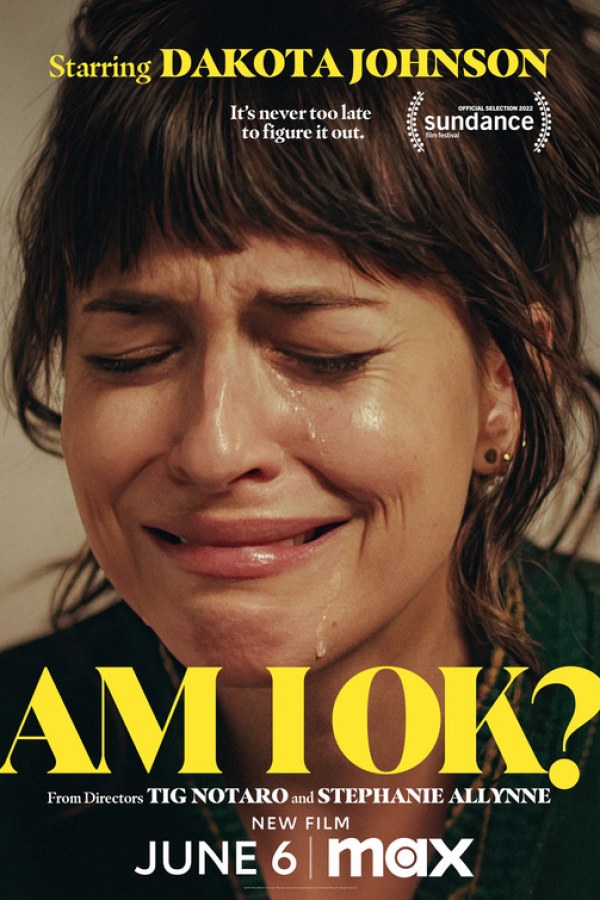
The Late Awakening Narrative: In her critically acclaimed feature directorial debut Am I OK? (2022) (co-directed with her wife and creative partner, Tig Notaro), Allynne explores the underrepresented landscape of a thirty-something woman (Dakota Johnson) navigating a late-onset lesbian coming out. The visual grammar rejects loud, dramatic confrontations, opting for a warm, soft digital palette and tight, observational mid-shots that frame the process not as a catastrophic rupture, but as a tender, deeply internal administrative realignment of the self.
The Homosocial Elasticity: Across her collaborative work on the semi-autobiographical Amazon series One Mississippi, Allynne demonstrates a masterclass in staging domestic intimacy. Her visual systems privilege conversational flow and somatic authenticity, documenting queer relationships without a trace of the historical, voyeuristic male gaze.
3. Deconstructing the Panopticon of Adult Expectations
What secures Stephanie Allynne her elite territory within the QueerFilmHub contemporary index is her sharp analysis of modern social conditioning. In her universe, the primary oppressor is rarely a cartoonish villain; it is the exhausting internal pressure to maintain a performative, heteronormative stability. Whether she is acting in groundbreaking queer works like The L Word: Generation Q or directing her own scripts, Allynne treats the act of a woman finally claiming her desire as a quiet, beautiful act of political sabotage against cultural tracking. Her cinema constructs a sovereign, safe sanctuary where characters are permitted to be flawed, confused, and beautifully unfinished.
4. Conclusion: The Bright Triumph of Collaborative Integrity
Stephanie Allynne remains an indispensable blueprint for creative elasticity, psychological depth, and independent voice. Her expanding multi-hyphenate career demonstrates that the ultimate weapon of a contemporary queer auteur is the capacity to marry radical vulnerability with unyielding structural control. She serves as a permanent, luminous reminder to independent filmmakers worldwide: the most explosive revolutions on screen do not require massive budgets or special effects—they simply require the tactical bravery to look a character in the eyes and ask, with absolute honesty, "Are you okay?"