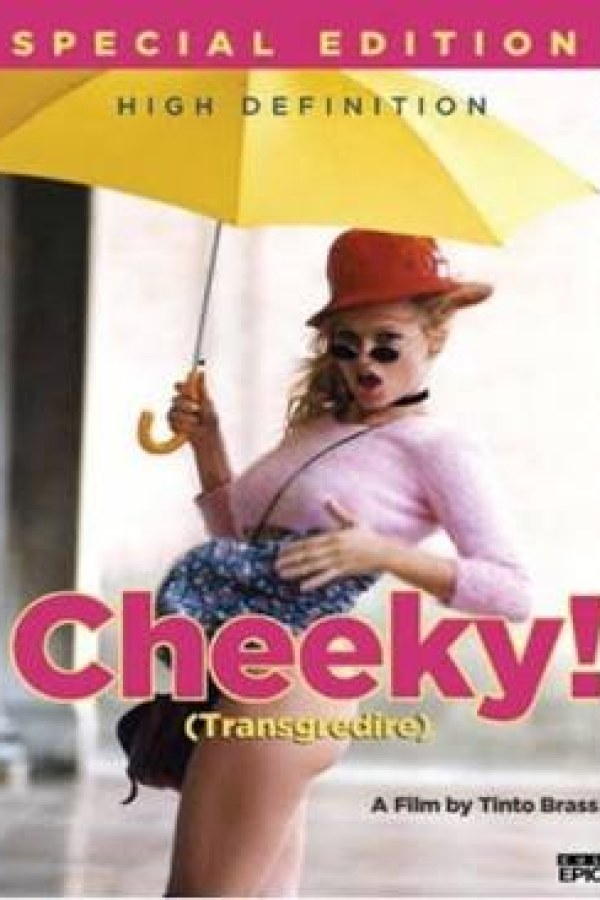
🎬 BEHIND THE LENS: Tinto Brass
Italian filmmaker Tinto Brass (Giovanni Brass) is one of cinema’s most unapologetic and provocative stylists. Known globally as the "Maestro of Erotic Cinema," Brass built a legendary career that spans from avant-garde art-house visual experimentation in the 1960s to high-budget historical spectacles and stylized erotic satire. Positioned at the intersection of pop art, political commentary, and eroticism, his signature aesthetic remains instantly recognizable across world cinema.
Career Highlights & Essential Filmography
Avant-Garde & Political Origins (Deadly Sweet, 1967; The Howl, 1970): Long before focusing exclusively on erotic cinema, Brass emerged during the height of Italian cinema's radical era. Influenced by the French New Wave, Pop Art, and European counterculture, his early works featured bold editing, political satire, and anti-establishment themes.
The Infamous Historical Spectacle (Caligula, 1979): Co-directed with Bob Guccione (founder of Penthouse magazine) and featuring an elite cast including Malcolm McDowell, Helen Mirren, and Peter O'Toole, Caligula remains one of the most controversial and financially successful cult films in cinema history.
Commercial Erotic Renaissance (Key / La Chiave, 1983; Miranda, 1985; Paprika, 1991): In the 1980s and 1990s, Brass refined his trademark visual formula—combining lavish production design, lush Italian landscapes, playful irony, and celebratory eroticism, cementing his status as a box-office draw in Europe and Asia.
Directorial Style & Vision
The Aesthetics of Joy & Voyeurism: Unlike directors who frame desire through guilt, dark psychology, or trauma, Brass treats sensuality with exuberant, almost cartoonish lightness. His camera acts as an uninhibited voyeur, prioritizing vibrant colors, dynamic framing, and lighthearted satire.
Pop Art Visual Language: Brass’s films feature striking graphic composition, frantic cutting patterns, comic-book panel framing, and expressive lighting, reflecting his early roots in 1960s modernist cinema.
Subversion of Power & Morality: Underlying the provocative imagery is a recurring disdain for hypocrisy, state authority, and bourgeois propriety. His characters frequently use physical freedom and hedonism as tools to reject rigid social constraints.
🌐 Discover more director retrospectives, cult cinema analyses, and auteur breakdowns on QueerFilmHub.com!
☕ Support independent film journalism on Patronite: https://patronite.pl/
(https://patronite.pl/)