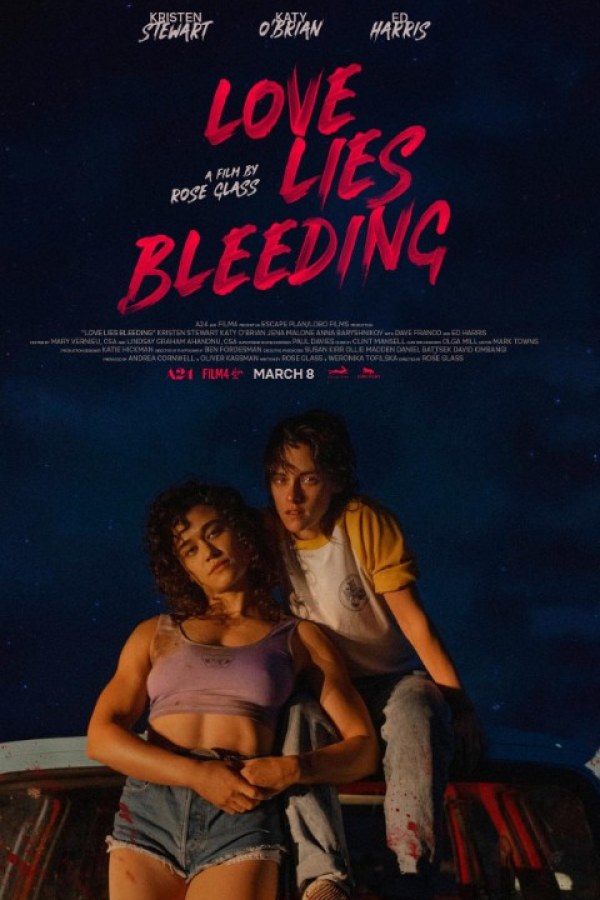
In the world of modern independent cinema, few directors have made as explosive and unapologetic an entrance as British filmmaker Rose Glass. With just two feature films under her belt—the claustrophobic psychological horror Saint Maud (2019) and the testosterone-fueled queer neo-noir Love Lies Bleeding (2024)—Glass has cemented herself as a master of visceral, body-centric storytelling.
She doesn't just make movies; she crafts intense, sweat-slicked, and blood-soaked fever dreams that challenge how we view obsession, faith, and queer desire. While she is quickly becoming an A24 darling, her creative struggles, short film roots, and unique directing philosophies hide some fascinating stories. Here is the untold world of Rose Glass.
1. The Long Grind Through Quirky Short Films
While Rose Glass seemed to explode onto the global stage out of nowhere with Saint Maud, her success was actually preceded by a decade of grinding in the independent short film circuit. After graduating from the prestigious National Film and Television School (NFTS) in the UK, Glass directed a series of highly unconventional shorts like Storm House and The Bath House.
Even in these early, micro-budget student projects, her obsession with tight spaces, vulnerable human bodies, and dark, surreal humor was already on full display. She spent years refining her distinct visual grammar before anyone in Hollywood ever handed her a feature-length budget.
2. Saint Maud and the Fine Line Between Faith and Madness
Her 2019 debut feature, Saint Maud, followed a devoutly religious hospice nurse who becomes dangerously obsessed with saving the soul of her dying, atheist patient (who happens to be a glamorous, queer former dancer).
What many don't know is that Glass originally conceived the film not as a terrifying horror movie, but as an intimate, dark character study. She wanted to explore the deep loneliness of isolated individuals. To prepare for the script, Glass spent months researching extreme religious ecstasies and psychological delusions, aiming to create a film where the audience is never quite sure if the protagonist is genuinely touched by God or experiencing a total mental break. The film's shocking, unforgettable final frame became an instant legendary moment in modern horror.
3. Subverting the "Polite" History of British Cinema
Rose Glass is part of a bold, aggressive new wave of British filmmakers who are actively rejecting the traditional, polite reputation of UK cinema. For decades, British film was internationally famous for polite period pieces, royal dramas, and gritty social realism.
Glass, however, has openly stated in interviews that she finds those traditional boundaries suffocating. She intentionally injects her British sensibilities with American grindhouse energy, B-movie pulp, and surrealist body-horror. By merging the intellectual depth of European arthouse with the raw entertainment value of American exploitation films, she has created a cinematic lane that is entirely her own.
4. The Collaborative Chemistry with Weronika Tofilska
While Glass gets much of the directorial credit for the explosive success of Love Lies Bleeding, a massive, lesser-known pillar of the film’s brilliance is her co-writer, Polish filmmaker Weronika Tofilska.
The two writers met in London and bonded over a shared love for pulpy, extreme cinema and complex female characters who are allowed to be deeply flawed, violent, and messy. Writing Love Lies Bleeding was a long, intensely collaborative process where they pushed each other to make the queer romance as fierce, sweaty, and unhinged as possible. Tofilska’s unique European perspective perfectly balanced Glass’s bold directorial vision, making them one of the most exciting writing duos in modern cinema.
5. Choreographing Muscle as Cinema
When directing Love Lies Bleeding, Glass faced a unique technical challenge: how to film bodybuilding in a way that felt cinematic and emotionally charged, rather than just static or voyeuristic.
A fascinating detail from the set is that Glass treated Katy O’Brian’s bodybuilding sequences almost like a musical or a monster movie. She worked closely with special effects teams and cinematographers to amplify the sounds of flexing muscles, using extreme close-ups of pulsing veins and expanding skin to make the physique feel like a living, breathing landscape. Glass wanted the audience to feel the weight of the weights and the intoxicating, dangerous rush of the steroids, turning the human anatomy into the ultimate cinematic special effect.
The Verdict
Rose Glass is a filmmaker who completely refuses to play it safe. She takes the genres we think we know—the religious thriller, the romantic neo-noir—and warps them into visceral, unforgettable experiences. For the audience at QueerFilmHub, Glass represents a thrilling future where queer characters aren't just objects of tragedy or gentle romance, but the wild, muscle-bound, and chaotic heroes of their own cinematic universes. Keep your eyes on her camera; she is just getting started. 🚀🌈